
- Health Conditions A-Z
- Health & Wellness
- Nutrition
- Fitness
- Health News
- Ayurveda
- Videos
- Medicine A-Z
- Parenting
Trump Takes High Dose Of Aspirin That Caused His Hand To Bruise; How Safe Is This Habit?

Credits: iStock and Wikimedia Commons
Trump takes more aspirin than his doctor recommend. In an interview with The Wall Street Journal, US President Trump said that he will continue doing it. He claimed that it was not old or deteriorating age, but aspirin that caused the bruising on his hand. He has repeatedly said that his health is in "excellent" condition.
In the interview, he said, "They say aspirin is good for thinning out the blood and I don't want thick blood pouring through my heart."
Trump, now, 70, was diagnosed with chronic venous insufficiency, a condition that occurs when veins have trouble moving blood back to the heart. He also showed signs of bruising on his hand, which many attributed was a result of frequent handshaking, and to the use of aspirin.
A decade ago, evidence suggested that taking aspirin routinely could lower the risk of heart attacks and strokes in people without heart disease by preventing blood clots. However, three major randomized trials published in 2018 challenged this view, showing limited benefit and a higher risk of serious bleeding and cancer-related deaths, especially gastrointestinal cancers.
“We’ve really changed how we think about and recommend aspirin,” said Dr Alex Krist, a family physician at Virginia Commonwealth University and Inova Health System, who helped update the U.S. Preventive Services Task Force’s aspirin guidelines in 2022, reported The New York Times.
How Safe Is This Habit Of Taking Aspirin Daily?
Aspirins work by inhibiting the action of platelets, which are the cell fragments that stick together to form clot and prevent bleeding. Clots are in fact the reason of heart attacks. However, at the same time, it is the same anti-clotting effect that causes aspirin to increase the risk of bleeding, a risk that increases with age.
Doctors are most concerned about rapid internal bleeding that can be fatal, such as gastrointestinal bleeding or sudden brain hemorrhages. While the overall risk remains low, recent preventive health recommendations note that it rises with age, especially in adults over 60.
Some studies suggest aspirin may help lower the risk of colorectal cancer, but current evidence is not strong enough to support its use for cancer prevention alone.
Read: Trump Denies Health Concerns, Says Hand Bruise Was Caused By Aspirin
Should You Be Taking Aspirin Daily?
Medical guidelines have shifted on aspirin use, especially for older adults. Groups like the preventive services task force and major heart associations now advise against starting or routinely taking aspirin to prevent heart disease in people over 60 or 70 who have never had a heart attack or stroke. For this group, the bleeding risks often outweigh the benefits.
Daily aspirin is still clearly recommended for people who already have cardiovascular disease, such as those who’ve had a heart attack, an ischemic stroke, or peripheral artery disease. In these cases, aspirin helps prevent another serious event, making the risk–benefit balance more favorable.
Recent health disclosures have shown no history of heart attack or stroke in some high-profile cases, though the presence of arterial plaque alone is fairly common with age and does not automatically justify aspirin use.
For those who do need aspirin to prevent a second heart attack or stroke, the usual dose is a low-dose or “baby” aspirin of 81 milligrams. Higher doses are generally not recommended unless specifically advised.
Aspirin may still be considered for some people under 60 or 70 who have a higher risk of heart disease, but this decision should be made carefully. Factors like high blood pressure, high cholesterol, diabetes, smoking history, or a strong family history can influence whether aspirin makes sense for an individual.
Nestle Recalls Infant Formula Products Over Toxin Fears—What Parents Need To Know
Credits: Canva
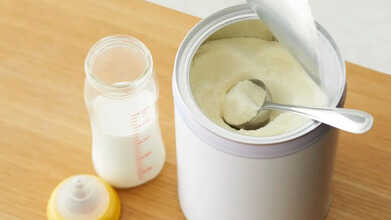
Nestle said on Tuesday it is recalling certain batches of its core infant nutrition products, including SMA, BEBA and NAN infant and follow-on formulas, sold across Europe after identifying a possible contamination with a toxin that can trigger nausea and vomiting. The recall, which initially began on a limited scale in December, adds pressure on newly appointed Nestlé CEO Philipp Navratil as he works to revive growth through a portfolio review following months of leadership disruption.
The food giant, best known for brands such as KitKat and Nescafé, stated late on Monday that there have been no confirmed cases of illness or reported symptoms linked to any of the recalled formula products.
After a quality concern was flagged in an ingredient supplied by a major vendor, “Nestlé carried out testing on all arachidonic acid oil and related oil blends used in the manufacture of potentially affected infant nutrition products,” a company spokesperson said, according to Reuters.
Nestle Recalls Infant Formula Products Over Toxin Fears
Nestlé has initiated a precautionary, large-scale recall covering a wide range of SMA infant formula and follow-on milk products sold in the UK after detecting a possible risk linked to the cereulide toxin.
The voluntary recall spans several SMA product ranges, pack sizes and batch codes. Affected products include SMA Advanced First Infant Milk, SMA Advanced Follow-On Milk, SMA Anti Reflux, SMA Alfamino, SMA Comfort, SMA Lactose Free and various SMA First Infant Milk options, including both powdered and ready-to-feed formats.
According to Nestlé, the recall was triggered after internal checks pointed to a potential presence of cereulide, a toxin produced by certain strains of the bacterium Bacillus cereus. The toxin is known for being extremely heat resistant and cannot be neutralised through boiling or normal formula preparation, which makes any impacted product unsafe for consumption.
What Is Cereulide?
As outlined by the National Institute of Health, cereulide is a powerful, heat-stable toxin created by some strains of the common bacterium Bacillus cereus. It causes a severe and fast-acting form of food poisoning, known as the emetic type, marked by intense vomiting. The toxin is a cyclic depsipeptide that disrupts mitochondrial function by allowing potassium ions to pass freely. It is especially concerning because it can survive cooking and reheating, and is commonly associated with foods such as rice, pasta and dairy products left at room temperature.
Nestle Recalls Infant Formula: What Happens When You Ingest Cereulide?
If cereulide is consumed, symptoms can appear quickly and may include nausea, vomiting and stomach cramps. Parents and caregivers are being advised to stop using any of the affected products straight away, even if their baby has not shown any signs of illness.
Nestlé has also advised that when infant formula has been prescribed by a healthcare professional, parents should consult a pharmacist, doctor or another qualified medical professional before switching to an alternative. Anyone who has already fed the recalled formula to their child and is worried about possible health effects is urged to seek medical advice.
The company reiterated that it has not received any confirmed reports of illness linked to the recalled batches. However, it said the recall was carried out as a precautionary measure and in line with its internal safety and quality standards.
Nestle Recalls Infant Formula: What Products Are Being Recalled?
A complete list of recalled products and batch codes is available below.
UK:
SMA Advanced First Infant Milk 800g
- 51450742F1
- 52319722BA
- 52819722AA
SMA Advanced Follow-on Milk 800g
- 51240742F2
- 51890742F2
- 52879722AA
SMA First Infant Milk 800g
- 51170346AA
- 51170346AB
- 51340346AB
- 51580346AA
- 51590346AA
- 52760346AB
- 52760346AD
- 52780346AA
SMA First Infant Milk 400g
- 51350346AA
- 52750346AD
SMA First Infant Milk 1.2Kg
- 51340346BE
- 52740346BA
- 52750346BA
SMA LITTLE STEPS First Infant Milk 800g
- 51220346AD
- 51540346AC
- 52740346AD
SMA Comfort 800g
- 52620742F3
- 51240742F3
- 51439722BA
- 51479722BA
- 51769722BA
- 52049722AA
SMA First Infant Milk 200ml
- 52860295M
- 52870295M
- 53220295M
- 53230295M
- 52870295M
- 53030295M
- 53040295M
- 53070295M
- 53080295M
SMA First Infant Milk 70ml
- 53170742B1
SMA Lactose Free 400g
- 51150346AB
- 51500346AB
- 51719722BA
- 51759722BA
- 51829722BA
- 51979722BA
- 52109722BA
- 53299722BA
- 53459722BA
SMA Anti Reflux 800g
- 51570742F3
- 52099722BA
- 52099722BB
- 52739722BA
ALFAMINO 400g
- 51200017Y3
- 51210017Y1
- 51220017Y1
- 51250017Y1
- 51390017Y1
- 51420017Y2
- 51430017Y1
- 51460017Y1
- 51690017Y2
- 51690017Y3
- 51700017Y1
- 51710017Y1
- 51740017Y1
- 52760017Y5
- 52790017Y1
- 52860017Y1
- 53100017Y3
- 53110017Y1
- 53140017Y1
- 53140017Y2
- 53150017Y1
In addition, the following batches may also be available in Northern Ireland:
SMA First Infant Milk 800g
- 51590346AB
- 52750346AE
Ireland:
SMA Advanced First Infant Milk 800g
• 51450742F1
SMA Advanced Follow-on Milk 800g
• 51240742F2
• 51890742F2
SMA Comfort 800g
• 52620742F3
SMA First Infant Milk 200ml
• 53070295M
• 52860295M
• 52870295M
• 53220295M
• 53230295M
SMA First Infant Milk 800g
• 51590346AB
• 52750346AE
SMA GOLD PREM 2 800g
• 53090742F2
SMA LITTLE STEPS First Infant Milk 800g
• 51540346AD
SMA Alfamino 400g
• 51200017Y3
• 51210017Y1
• 51250017Y1
• 51460017Y1
• 51710017Y1
Parents and carers who have been prescribed any of the listed batches are advised to dispose of the product and speak to their healthcare professional for guidance on a suitable alternative.
U.S. Sees Worst Flu-Like Illness Levels In 25 Years, According To CDC

Credits: Canva
The flu is continuing to cause widespread illness across the United States, with all but four states reporting high or very high levels of activity as a new strain, known as subclade K, spreads rapidly.
“This is absolutely a standout year,” said Dr. Caitlin Rivers, an epidemiologist and senior scholar at the Johns Hopkins Center for Health Security, as per CNN. “It’s the worst flu activity we’ve seen in at least two decades. Most of the country is experiencing extremely high levels, and we are still very much in the middle of it.”
She added that it is unusual to see such a severe flu season follow another difficult year, as intense seasons do not typically happen back to back.
U.S. Sees Worst Flu-Like Illness Levels In 25 Years
Across the country, about 8.2 percent of all doctor visits during the final week of the year were for flu-like symptoms. At the same time last season, which was also considered severe, that figure stood at 6.7 percent.
In Massachusetts, where flu activity is rated as very high, health officials urged residents to get vaccinated as soon as possible.
Experts stressed that vaccines remain the most effective tool available. “They prevent severe illness and hospitalization, and they save lives. If you have not yet received a flu or COVID-19 vaccine this season, now is the time. It is not too late. Getting vaccinated protects not just you, but also your family, friends, colleagues, and the wider community.”
Nearly All States Report High Flu Activity
The latest CDC data shows that almost every state is experiencing high or very high flu activity. Montana and Vermont reported low levels, while South Dakota and West Virginia were at moderate levels. Nevada did not submit flu data this week, but last week’s report showed high activity there as well.
When it comes to severity, measured by hospitalizations, this flu season has not yet reached record levels. However, the cumulative hospitalization rate is already the third highest for this point in the season since 2010–11, and experts warn that could rise as infections continue.
Experts Urge Immediate Vaccination
Dr. Michael Osterholm, who leads the Center for Infectious Disease Research and Policy at the University of Minnesota, urged people to act quickly.
“If you haven’t been vaccinated, do it within the next 48 hours. Don’t put it off,” he said. “You may still be able to protect yourself from the later stages of the season, but it takes about seven to 10 days for the body to build immunity after vaccination. There’s very little time to waste.”
The CDC estimates that at least 11 million people have been infected with the flu so far this season. Around 120,000 have been hospitalized, and 5,000 people have died.
Child Deaths and Falling Vaccination Rates
The agency also confirmed another child death linked to influenza, bringing the total number of pediatric flu deaths this season to nine.
At the same time, flu vaccination rates among children have dropped sharply. Coverage has fallen from 53 percent during the 2019–20 season to 42 percent at the same point this year.
The new flu data was released on the same day the US Department of Health and Human Services announced plans to revise the childhood vaccine schedule. The proposed changes would recommend flu shots for children only after consultation with a healthcare provider, a process known as shared clinical decision-making. Critics worry this could make vaccines harder to access.
“To pull back on flu recommendations during a season this severe feels deeply out of touch,” said Dr. Sean O’Leary, chair of the American Academy of Pediatrics’ Committee on Infectious Diseases. “That comes after a year in which we saw the highest number of childhood flu deaths in many years.”
Adult Vaccination Also Declines
Vaccination rates have also dropped among adults. CDC data shows that nearly 61 million adults received a flu shot during the 2019–20 season. This year, that number has fallen to about 48 million.
Rivers said she does not believe lower vaccination rates are the main reason for the surge in cases.
“The flu vaccine is not primarily meant to stop infection or transmission,” she explained. “Its main role is to prevent severe illness.”
New Flu Strain Drives the Surge
Instead, experts point to the emergence of the new subclade K strain, which now accounts for most flu samples analyzed in laboratories.
Rivers said the strain appears different enough from past flu viruses to bypass existing immune protection in many people. Subclade K began spreading after scientists had already selected the strains used for this year’s flu vaccines. As a result, the shots likely provide only partial protection against it.
“I think this virus has real staying power,” Osterholm said, as per CNN, noting similar patterns in Australia, Japan, and parts of the United Kingdom. “We’re likely to see significant community spread for at least another three to four weeks.”
UK Blocks Junk Food Ads Across Television To Tackle Childhood Obesity
Credits: Canva
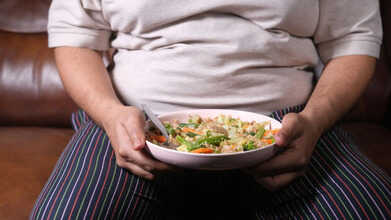
A nationwide ban on junk food advertising on television before 9 pm, along with a complete restriction online, has officially taken effect as part of the government’s effort to address rising childhood obesity.
Junk Food Advertising Ban Comes Into Effect
Under the new regulations, enforced by the Advertising Standards Authority (ASA), 13 categories of food and drink products can no longer be promoted on TV before the watershed or advertised online at any time. These products are defined as being high in fat, sugar, and salt.
Anna Taylor, executive director of campaign group the Food Foundation, welcomed the move. “Today is a major, world-leading step forward in protecting children from the constant exposure to junk food advertising that is damaging their health,” she said, as per The Gaurdian.
Industry Compliance Began Months Earlier
As per The Guardian, while the rules legally come into force today, the UK advertising industry had already begun following them voluntarily from October. This early adoption was intended to ensure adverts were properly adjusted to meet the government’s complex nutrient guidelines.
As a result, this year marked the first Christmas advertising season without traditional high-fat, high-sugar food promotions. Familiar festive items such as desserts and confectionery were replaced by adverts featuring fruit and vegetables.
Everyday Foods Also Affected
The rules extend to products commonly seen as healthy. Restrictions now apply to items including “sandwiches of any kind,” pretzels, and “all products predominantly found in the breakfast cereal aisle,” a category that includes porridge oats and muesli.
Although the regulations contain a long list of exceptions and conditions, some reformulated products remain banned. Certain crisps, chips, and pizzas continue to be restricted, even if their recipes meet nutrient thresholds, because they are still considered contributors to obesity.
Childhood Obesity In UK
According to NHS England, nearly one in eight children aged two to 10 in England are living with obesity, the latest NHS survey released today shows. The data also reveals that about one in seven children aged two to 15, or 15 percent, were classified as obese in 2022. This is broadly in line with pre-pandemic levels recorded in 2019, when the figure stood at 16 percent. A closer look at the age groups shows obesity affecting 12 percent of children aged two to 10, rising to 19 percent among those aged 11 to 15.
The most recent Health Survey for England paints a similarly concerning picture for adults. In 2022, 64 percent of adults were either overweight or obese, including nearly three in 10, or 29 percent, who fell into the obese category. Men were more likely to be overweight or obese than women, with 67 percent of men affected compared with 61 percent of women.
Adult obesity levels have changed little since 2019, when the survey also found that 64 percent of adults were overweight or obese, including 28 percent classified as obese.
Brand Advertising Loophole Draws Criticism
Health campaigners raised concerns last year after the government allowed companies associated with junk food, such as McDonald’s and Cadbury, to continue running brand-only adverts. These ads are permitted as long as no clearly identifiable product appears.
This concession followed threats of legal action from parts of the food industry against a proposed blanket ban. Under the rules, a brand like Cadbury could still air its famous drumming gorilla advert before the watershed, provided chocolate bars are not shown.
“Current legislation allows companies to move away from product advertising and focus on brand promotion, which could seriously reduce the impact of these rules,” Taylor said, as per The Guardian. “This cannot be the end point. The priority must remain clear: stopping all junk food advertising aimed at children.”
Advertising Spend Shifts Elsewhere
Last month, the Food Foundation published its annual report showing that food companies have been redirecting their advertising budgets ahead of the ban.
Spending on outdoor advertising, including billboards and poster sites, rose by 28 percent between 2021 and 2024. These formats are only restricted if they appear within 100 metres of schools, playgrounds, or leisure facilities.
The report found that McDonald’s recorded the largest percentage increase in outdoor advertising spend over the three-year period.
- Follow Us :


© 2024 Bennett, Coleman & Company Limited