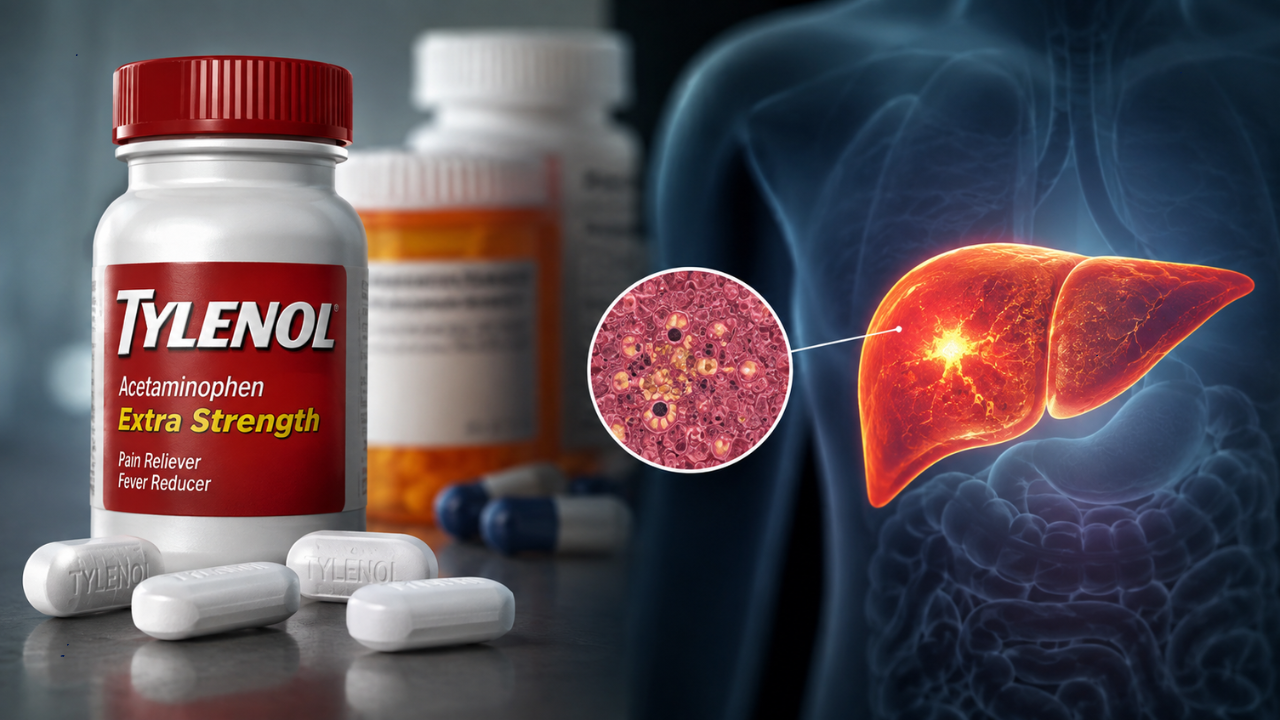
Liver injuries reported to US poison centres increased by nearly 400% between 2000 and 2024, with acetaminophen, sold under brand names such as Tylenol, the most frequently implicated substance, according to a study.The study analysed poison-centre calls involving liver injuries linked to “xenobiotics”—foreign substances not naturally found in the human body. These include medications, food additives, alcohol and environmental pollutants.Acetaminophen Among Leading CausesAlso read:‘Entirely Unverified Retatrutide’ Being Sold on Black Market: Lilly Sues 6 US CompaniesResearchers identified 220,160 cases of xenobiotic-related liver injury over the 24 years. Population-adjusted exposure rates increased from 10.9 per million people to 52.9 per million.More than 80% of the liver injury cases required inpatient care, with medications accounting for the majority of cases. Acetaminophen was the substance most frequently implicated.“Liver injuries reported to poison centers have increased substantially over the past 25 years, with acetaminophen emerging as a growing contributor,” said Christopher P. Holstege of UVA Health.Acetaminophen Exposure TrendsThe study found that exposures involving acetaminophen-containing combination drugs decreased by 60%-85% after the US Food and Drug Administration capped the amount of acetaminophen allowed in combination prescription products.However, potentially harmful exposures to acetaminophen alone increased steadily over the 24 years. The findings suggest that regulatory action reduced liver injuries linked to combination products, while acetaminophen alone remained a leading contributor to poison-centre-reported liver injuries.Females had higher rates of acetaminophen-associated liver injury than males. Suspected suicide was the most common reason for exposure in both sexes.Alcohol and Other SubstancesRead More: What Trump’s Childhood Vaccine Order Means: When Will It Take Effect?Alcohol was the second most common cause of liver injuries, although it was far less common than acetaminophen. Alcohol-related injuries were more frequent in men than women but increased in both sexes during the COVID-19 pandemic.Researchers also identified increases in liver injuries linked to stimulants and street drugs, herbal and dietary supplements, and environmental toxins. However, these were much less common than injuries associated with acetaminophen and alcohol.“Medications should always be taken as directed by clinicians and per pharmaceutical label instructions,” Holstege said. He also advised caution with emerging substances that are not regulated. Why Tylenol Is Linked To Liver InjuriesResearch shows tylenol is safe at recommended doses, but exceeding 4,000 mg per day for adults—or combining it with alcohol or other medications containing the drug—can overwhelm the liver's ability to process it safely, leading to acute liver failure."Acetaminophen is widely available without a prescription, and it’s contained in many combination medications — more than 600. It’s likely that many people taking acetaminophen do not realize they’re taking too much since, for example, you take acetaminophen tablets for the achy feeling that comes with a cold and also use a combination cough medicine that contains acetaminophen," Howard E. LeWine, Chief Medical Editor, Harvard Health said.Tylenol and Autism ClaimsTylenol has been under scrutiny after US health officials raised concerns about an alleged link between Tylenol use during pregnancy and autism. There is no firm scientific evidence of such a link.The debate has also triggered legal action, as Texas sued Kenvue over alleged failures to warn pregnant consumers, and a US appeals court this month revived more than 500 private lawsuits making similar claims.