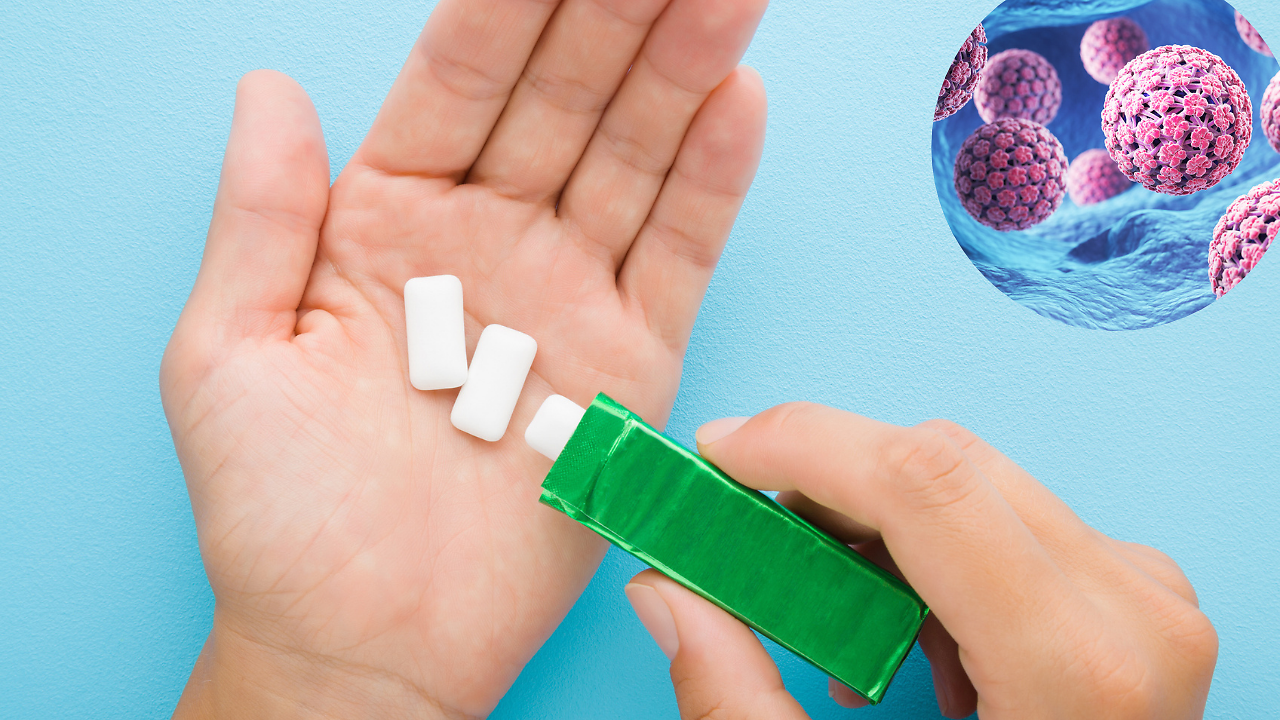
Could chewing gum one day help fight cancer? Researchers at the University of Pennsylvania in the US have developed an experimental gum made from lablab beans, also known as Indian beans, that targets human papillomavirus (HPV) and harmful oral bacteria associated with head and neck cancer.In laboratory tests using oral samples from cancer patients, extracts of the gum reduced HPV levels by up to 93%. An enhanced version also reduced two harmful bacterial species to nearly undetectable levels without affecting the beneficial bacteria tested.How Does The Bean-Based Chewing Gum Work?The experimental gum builds on the team's earlier research into lablab beans. It contains FRIL, a naturally occurring plant protein with antiviral properties.Researchers tested gum extracts against microorganisms in oral samples collected from patients with head and neck cancer.The results published in Scientific Reports journal showed:HPV levels decreased by 93% in saliva samples.HPV levels decreased by 80% in oral rinse samples.The researchers also developed an enhanced version containing protegrin, an antimicrobial peptide. Peptides are short chains of amino acids, the building blocks of proteins.A single dose of the enhanced gum extract reduced two targeted bacterial species, Porphyromonas gingivalis (Pg) and Fusobacterium nucleatum (Fn), to nearly undetectable levels.Also read: HPV Vaccines Can Prevent Head And Neck Cancers In Men, Says StudyHarmful Bacteria Reduced Without Affecting Beneficial MicrobesThe experimental formulation selectively targeted harmful bacteria while leaving the beneficial bacterial populations examined in the study largely unaffected.The oral microbiome, which consists of microorganisms living inside the mouth, plays an important role in maintaining oral health.Cancer treatments such as radiation therapy can disrupt this microbial balance, reducing beneficial bacteria and encouraging the growth of potentially harmful microorganisms, including Candida albicans, a type of yeast.The researchers suggest that selectively targeting harmful microbes while preserving beneficial ones could be particularly useful for patients undergoing cancer treatment.Read More: Russia's mRNA Cancer Vaccine: First Patient With Melanoma Completes Treatment, Shows No New TumoursCould The Chewing Gum Help Prevent Cancer?The researchers believe the findings warrant further investigation through human clinical trials. They envision the technology potentially being used alongside existing cancer treatments or as a preventive approach to limit infections."Lip and oral cavity cancer was the seventh leading cancer type in cancer incidence and mortality rate worldwide in adolescents, young adults, and middle-aged adults in 2022," Daniell said.He said the findings support advancing these therapies into clinical trials as additional treatments or as prophylaxis to prevent infection and transmission.Prophylaxis refers to measures taken to prevent a disease or infection before it occurs.The plant-based technology could also offer a potentially affordable way to deliver protective proteins directly into the mouth.However, the findings should be interpreted cautiously. The researchers tested gum extracts on patient samples under laboratory conditions. They have not established whether chewing the gum produces the same results in people or whether reducing these microorganisms can prevent cancer or improve treatment outcomes.Human clinical trials will be needed to establish its safety and effectiveness. For now, the bean-based gum remains experimental and is not a proven cancer-prevention or treatment option.