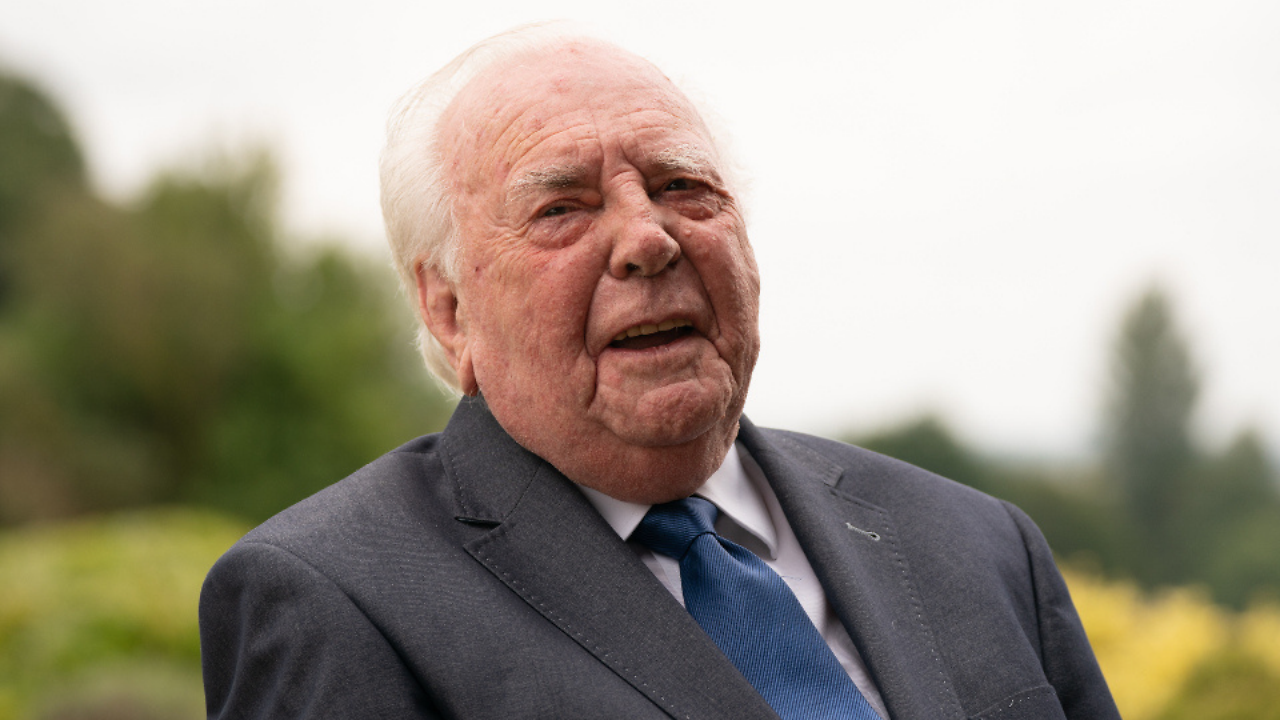
Ted Warner, the UK's oldest living heart transplant recipient, has died at the age of 95, after living 36 years with a donor heart. Doctors had initially given him an expected survival of just eight years following the transplant.Warner was 59 when he received the heart from an anonymous donor at Papworth Hospital in Cambridgeshire in August 1990. He was also among the world's longest-living heart transplant recipients.His sons, Neil and Adam, told the BBC that the family was grateful for the additional 36 years they had with their father.A Heart Transplant That Gave Him 36 More YearsAlso read: US Woman Sets World Record After Living One Year With Pig Kidney: Can Animal Organs Solve The Donor Shortage?Warner had been using a pacemaker when tests at Leicester's Glenfield Hospital in January 1990 revealed that he needed a heart transplant.He had been diagnosed with cardiomyopathy, a disease of the heart muscle in which the walls of the heart's chambers become stretched, thickened or stiff, making it harder for the heart to pump blood effectively.However, he had to wait until August for a suitable donor. By then, he had been told he had just three weeks to live. Warner later said that had he been just one year older, the operation might not have gone ahead because of the greater risks associated with transplant surgery in older recipients.In 2021, when Warner celebrated his 90th birthday, he performed the UK's first successful heart transplant in 1979, the hospital confirmed he was the oldest person in the UK living with a transplanted heart.Life 36 Years After A Heart Transplant Even at 90, Warner showed no signs of slowing down. He continued playing golf and going clay pigeon shooting twice a week, alongside taking eight immunosuppressant tablets every day to prevent his body from rejecting the donor heart.He also returned to Royal Papworth Hospital in Cambridge twice a year for routine post-transplant check-ups.Read More: Too Old Or Too Sick To Donate Organs? Doctors Bust Key Myths"The first thing that struck me post-op was that I couldn't believe how well I felt; it was quite remarkable. My breathing was so much clearer. My heart was so bad that anything would have been an improvement, but it was honestly like being reborn again, like I was 16 for a second time," Warner said while celebrating his 90th birthday."I've been able to do so much in that time, travelling a lot around Europe and the world. I've made the best of those extra years and still enjoy an active lifestyle to this day," he added.What Makes A Heart Transplant Last For Decades?Another heart transplant recipient, Steve Syer from Gloucestershire, had been the UK's longest-surviving single heart transplant patient, living for 38 years after his operation before he died in 2022.According to NHS Blood and Transplant, while some transplanted hearts last only a few years due to various factors, some recipients live for more than 30 years. A heart transplant's longevity depends on several factors, including the donor heart's health, the recipient's overall health and how well the body accepts the new organ.One major risk is organ rejection, which occurs when the immune system attacks the donor heart. Recipients must take lifelong immunosuppressant medication to reduce this risk.Another complication is cardiac allograft vasculopathy (CAV), in which the blood vessels supplying the transplanted heart gradually narrow, affecting blood flow. Regular check-ups are essential to monitor heart function, detect rejection, and identify complications early.