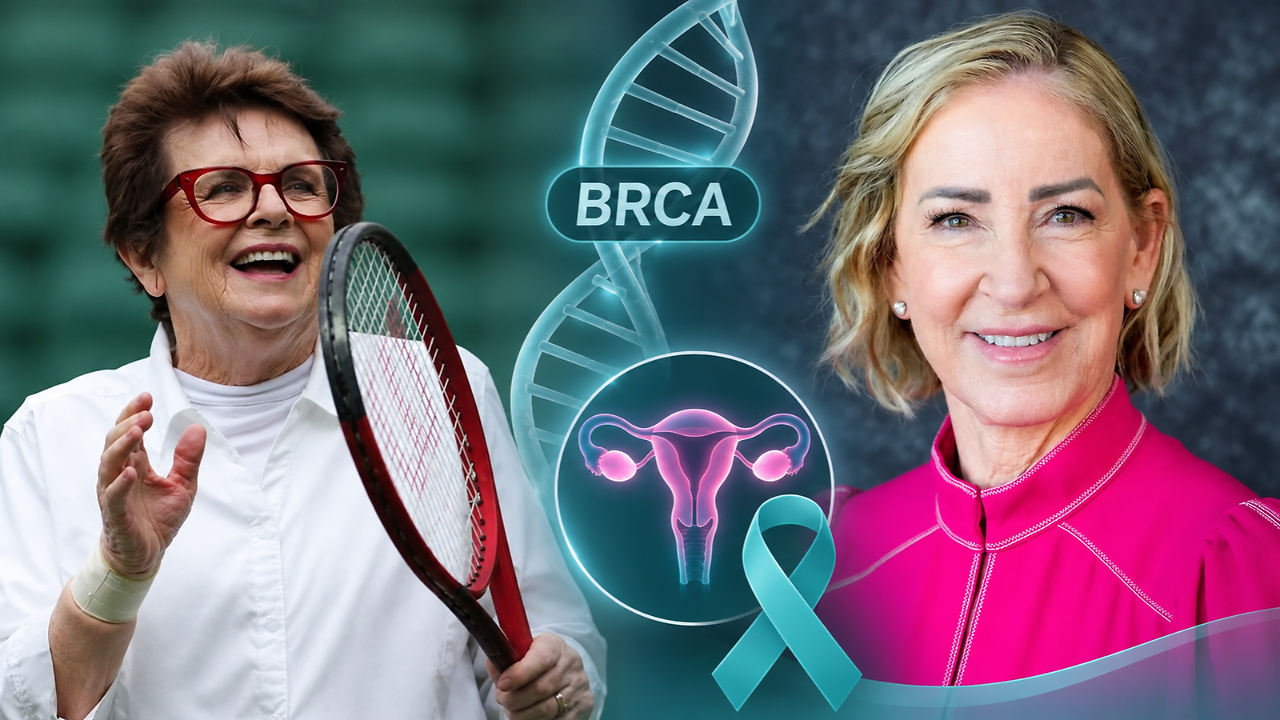
Tennis legend Chris Evert is facing ovarian cancer for the third time. Her longtime friend Billie Jean King opened up about the emotional toll of the illness on Evert as well as stressed upon genetic testing to monitor cancer risk.Evert, 71, was first diagnosed with ovarian cancer in 2021, after the death of her younger sister Jeanne who died from the same disease in 2020. Subsequent genetic testing revealed that Evert carries a BRCA mutation, which increases the risk of ovarian and breast cancer.Speaking to People, King said Evert has been through an exceptionally difficult period. "She's been through hell and back with this cancer," King said.She also reflected on how her friend's sister's death prompted doctors to encourage Evert to undergo genetic testing."I think, basically, her death helped Chris survive, because the doctor called Chris quite a while ago, obviously, and said, 'You better get tested for the BRCA gene,'" King told People.King added that Evert tested positive for the mutation and that other family members also carry it. She said she hopes Evert is doing well, adding, "It's really a rough go, and I just hope she's OK."Also read: Christie Miller Announces Her Own Death After Breast Cancer Battle: Why Is HER2-Positive Cancer Aggressive?Chris Evert's Cancer JourneyEvert's cancer journey began in December 2021, when she was diagnosed with stage 1C ovarian cancer following surgery. She underwent chemotherapy and announced in early 2023 that she was cancer-free.However, the cancer returned in December 2023. She underwent further treatment and was again declared cancer-free in 2024, before revealing in June 2026 that scans had detected a third recurrence.Evert underwent surgery and began chemotherapy, stepping away from professional commitments, including her tennis broadcasting work, to focus on treatment and recovery.Her history of ovarian cancer and BRCA mutation also led her to undergo a preventive double mastectomy in 2022 to reduce her breast cancer risk.Also read: TikTok Star Sabrina Bahsoon Was Wrongly Diagnosed With Psychosis: It Was Rare Brain InflammationWhat Is A BRCA Gene Mutation?BRCA1 and BRCA2 are genes that help repair damaged DNA and maintain genetic stability. When certain inherited mutations affect these genes, their ability to repair DNA damage can be impaired, increasing the risk of cancer.Women with inherited harmful BRCA1 or BRCA2 variants have a significantly higher lifetime risk of breast and ovarian cancer than the general population. These mutations can also increase the risk of other cancers and may be inherited by children regardless of sex.Having a BRCA mutation does not mean a person will definitely develop cancer. It means their risk is higher, which makes risk assessment, screening and preventive care important.Also read: Olivia Munn, Senator Mark Kelly Push For Breast Cancer Bill In US: What To KnowImportance Of Genetic Testing Genetic testing may be recommended for people with a personal or family history suggesting inherited cancer risk. This can include:Breast or ovarian cancer diagnosed at a younger age in the familyMultiple relatives with breast, ovarian, pancreatic or prostate cancerA family history of male breast cancerKnown BRCA1 or BRCA2 mutations in the familyGenetic counselling is important before and after testing to understand what results mean for the individual. Knowing about an inherited cancer mutation can help people and their doctors make informed decisions about screening, surveillance and options that alleviate risk. Depending on the mutation, this may include more intensive breast screening, preventive medication in selected cases or surgery to mitigate risks.