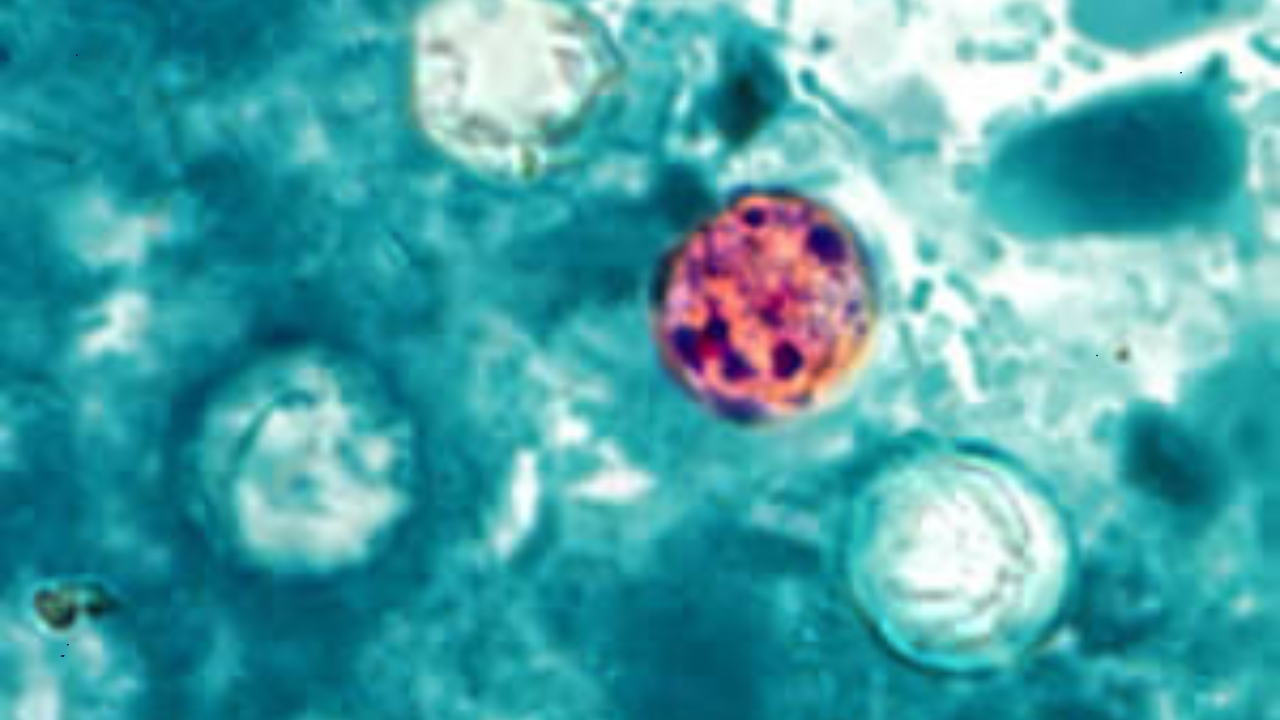
The cyclospora parasite outbreak in the US is continuing to grow, with cases nearing 900, according to local health officials.While infections have been reported in about 18 states, Michigan and Ohio continue to see the highest number of cases of the intestinal infection.As of July 6, 678 cases of cyclosporiasis had been confirmed, an official from the Michigan Department of Health and Human Services (MDHHS) told ABC News. This is an increase from roughly 300 cases reported last week. The state annually records up to 50 cases, but the current outbreak is about 13.5 times higher than average.According to Dr. Natasha Bagdasarian, an infectious disease physician, epidemiologist, and the chief medical executive for the state of Michigan, the figure is a "moving target," meaning cases are likely to continue rising."There is a significant lag time between exposure to contaminated produce or contaminated materials and development of symptoms," she told ABC News. "So it can take a week, sometimes even two weeks between exposure and development of symptoms."In Ohio, there were 177 cases of cyclosporiasis as of July 2, Ken Gordon, press secretary for the Ohio Department of Health's communications office, was quoted as saying.Cases have been confirmed across 43 counties in Ohio so far this year, according to Gordon. Nearly 171 cases have been reported since June 20.Meanwhile, the Centers for Disease Control and Prevention (CDC) reported that 145 cases had been detected in 17 states since May 1, excluding Michigan, as of June 16, with at least 20 people hospitalized. No deaths have been reported.The CDC said cases ranged in age from 5 to 86 years, with a median age of 42. About 61 per cent of patients were female.So far, no cases have been linked between states, and health officials are still investigating whether there is a common source of the outbreak in Michigan.Also read: Cyclospora Parasite Spreads to More US States: Foods to Avoid Right NowHow to Prevent Cyclospora InfectionThe CDC recommends following safe food handling practices to reduce the risk of infection:Wash your hands with soap and water before and after handling fresh fruits and vegetables.Wash all fruits and vegetables thoroughly under running water before eating, cutting, or cooking.Produce labeled "prewashed" does not need to be washed again.Scrub firm produce, such as melons and cucumbers, with a clean produce brush.Cut away any bruised or damaged areas before eating.Refrigerate cut, peeled, or cooked fruits and vegetables within two hours.The parasite spreads through food or water contaminated with human feces and is not spread directly from person to person.According to Dr. Darien Sutton, an emergency medicine physician, proper handwashing is very important. "This type of parasite doesn't easily go away with alcohol-based hand sanitizer. So, good old handwashing is really key here," said the ABC News medical correspondent.What Is Cyclospora cayetanensis?Read More: Bryan Johnson Blames Sugary Cereals, Soda and Stress for His Autoimmune Disease; Shares Treatment PlanCyclospora cayetanensis is a parasite that causes cyclosporiasis, a form of food poisoning. People can become infected through contaminated food or water. The infection causes watery diarrhea and other intestinal symptoms.A Cyclospora infection can be mild or severe and may last for weeks or even months. It is typically treated with antibiotics.People with weakened immune systems, such as those with HIV/AIDS or cancer, are at greater risk of severe disease.Symptoms of Cyclospora InfectionSymptoms of cyclosporiasis usually begin within a week of exposure to contaminated food or water and include:Watery or explosive diarrheaLoss of appetiteBloating and gasFatigue (extreme tiredness)Low-grade feverNauseaStomach crampsVomiting.