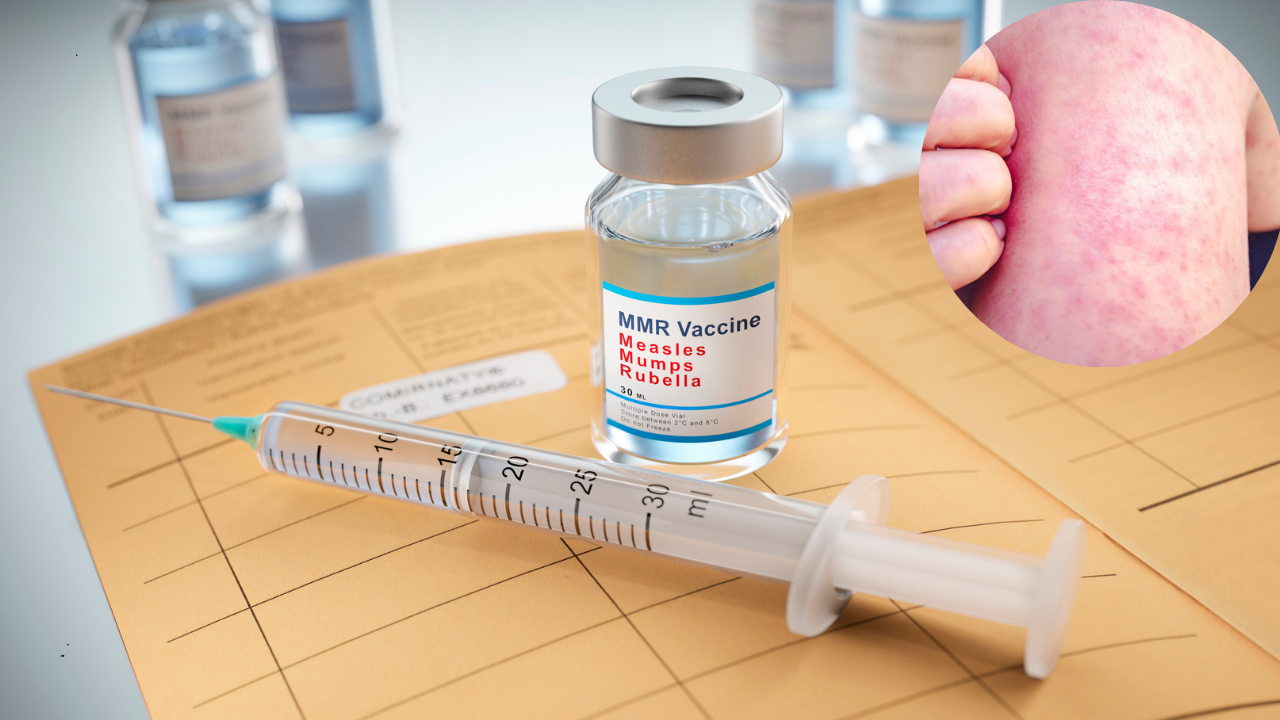
Public health officials in Los Angeles have issued a measles exposure alert after an infected visitor spent about 11 hours inside Universal Studios Hollywood, potentially exposing thousands of other parkgoers.The Los Angeles County Department of Public Health said anyone who visited the theme park on July 26 between 10 a.m. and 9 p.m. may have been exposed to the highly contagious viral disease.“With summer travel underway, the risk of exposure to infectious diseases may increase,” said Muntu Davis, the county’s public health officer. “We urge everyone to confirm their immunity and get the MMR vaccine if needed, especially before traveling and attending crowded events,” Davis added.Measles spreads easily through the air when an infected person breathes, talks, coughs or sneezes. Public health officials say the virus can remain in the air and on surfaces for many hours, even after an infected person has left. Officials noted that those exposed could develop measles 7 to 21 days after exposure.“Those who have had measles in the past or received the recommended measles vaccine are likely protected but should still monitor for symptoms,” the department said.Who Should Monitor for Symptoms?Anyone who remains symptom-free for more than 21 days after exposure is no longer considered at risk. For those exposed on July 26, the last day to monitor for symptoms is August 16.People at higher risk of severe illness—including pregnant women, infants younger than 12 months, people with weakened immune systems, and those who are not vaccinated—should contact their healthcare provider if they were at the park during the exposure period.If symptoms develop, health officials advise people to:Stay home and avoid school, work, and public gatherings.Call a healthcare provider before visiting a clinic or hospital.Inform the provider about the possible measles exposure and describe symptoms.Measles Cases Rising in CaliforniaThe latest exposure comes amid a rise in measles cases across California. As of July, the number of reported cases had doubled compared with the same period last year.State health officials said California has recorded three localized measles outbreaks in 2026, all of which have since ended.Measles Situation in the USIn just over six months of 2026, the United States has reported 2,260 confirmed measles cases, according to the latest data from the US Centers for Disease Control and Prevention (CDC).2,245 cases were reported across 44 jurisdictions.15 cases were identified among international visitors.The CDC has recorded 34 measles outbreaks so far this year.93% of all cases (2,108 of 2,260) have been linked to outbreaks. The US achieved measles elimination status in 2000, but health experts have warned the country could lose that designation if sustained transmission continues.What Is Measles?Measles is an extremely contagious viral disease caused by the measles virus, a member of the Morbillivirus genus.According to the World Health Organization (WHO), the virus first infects the respiratory tract before spreading throughout the body. It primarily affects children but can infect people of any age who lack immunity.Symptoms of MeaslesSymptoms usually appear 10 to 14 days after exposure and commonly include:High feverCoughRunny noseA widespread rashWhy Vaccination MattersThe WHO says vaccination is the most effective way to prevent measles and notes that disruptions to immunisation programmes during the COVID-19 pandemic contributed to setbacks in measles control worldwide.The MMR (measles, mumps and rubella) vaccine, given in two doses, remains the most effective protection against measles and its complications.