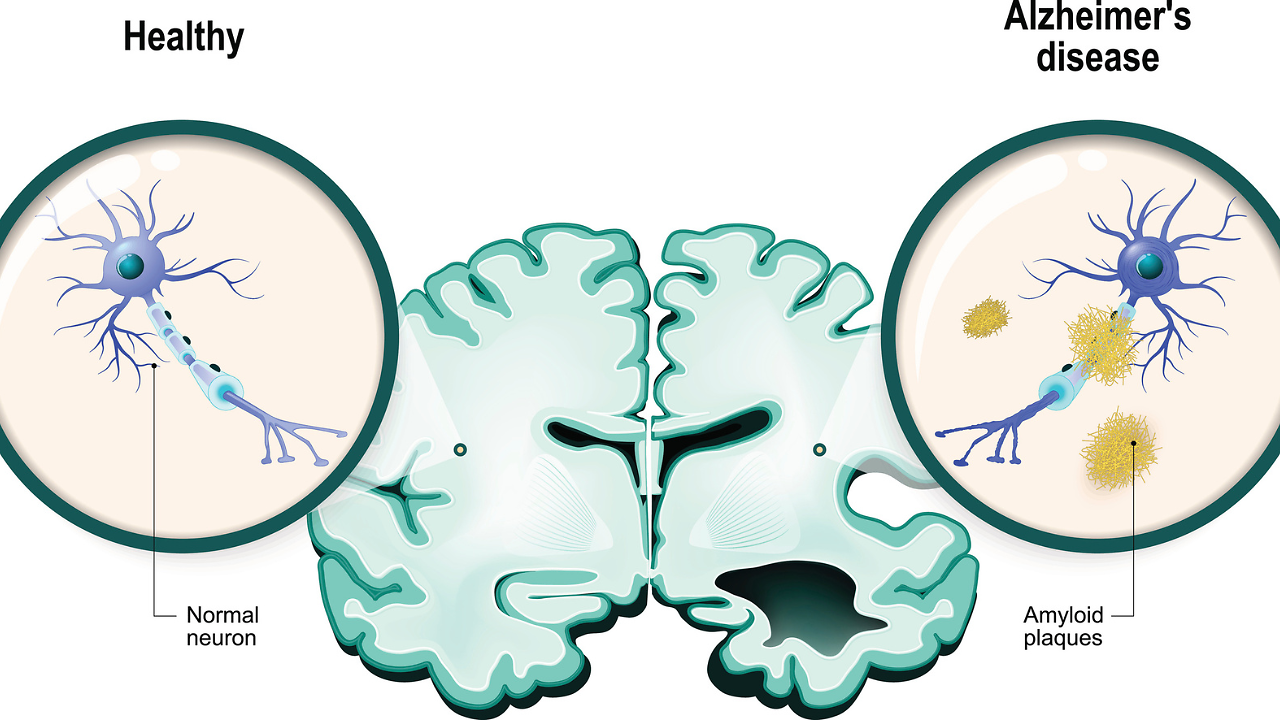
A new once-daily experimental pill slowed the decline in memory, thinking, and everyday functioning by 31% in some people with Alzheimer's disease in a Phase 3 trial.Developed by South Korean pharmaceutical company AriBio, the drug, AR1001 (mirodenafil), slowed disease progression by the equivalent of 3.5 months over one year.Unlike existing dementia drugs, which primarily alleviate symptoms, AR1001 has shown potential to slow disease progression.However, the benefit was significant only among patients who were not taking other dementia medications.The company announced that "the trial had met its primary endpoint" at the Clinical Trials on Alzheimer's Disease (CTAD) conference in Boston, US.What Did The Phase 3 Trial Find?Also read: Normal Ageing or Alzheimer's? Doctors Explain Six Key Differences to Watch ForThe global trial involved 1,535 people with Alzheimer's disease across 230 sites in 13 countries.Researchers assessed participants using the Clinical Dementia Rating–Sum of Boxes (CDR-SB), which measures memory, judgment and the ability to perform everyday activities.The findings showed:31% slower decline: Among 604 patients taking AR1001 without other dementia medications, disease progression was 31% slower than in the placebo group.3.5-month delay: The difference was equivalent to delaying disease progression by approximately 3.5 months over one year.No significant benefit in the overall group: Among all 1,535 participants, the benefit was 7% and was not statistically significant.The findings suggest that AR1001's effectiveness may depend on whether patients are taking other Alzheimer's medications.Dr Richard Oakley, Associate Director for Research and Innovation at Alzheimer's Society, described the results as encouraging."These topline results are an encouraging sign that we could have a new treatment for early Alzheimer's disease that tackles its causes, not just its symptoms," Dr Richard said, the Daily Mail reported. "Over the year of the trial, the drug was able to slow down people's decline in memory and thinking by nearly a third," he added.Why Is AR1001 Being Called 'Viagra For The Brain'?Read More: India Gets Its First Alzheimer’s Drug: Know All About Eli Lilly’s Lormalzi AR1001 works differently from existing Alzheimer's treatments, such as lecanemab and donanemab, which target amyloid plaques in the brain.Its active ingredient, mirodenafil, belongs to the same class of drugs as sildenafil, the compound used in Viagra to treat erectile dysfunction.Both drugs inhibit an enzyme called phosphodiesterase-5 (PDE5). This helps relax blood vessels and improve blood flow.Researchers believe AR1001 may have several effects in the brain, including:Improving blood flow.Reducing inflammation.Protecting nerve cells.Supporting cellular processes involved in brain function.Unlike some existing disease-modifying treatments that require infusions or injections, AR1001 is designed as a once-daily oral medication.However, the drug is from the same family of medicines as Viagra and is being developed specifically for Alzheimer's disease. People should not take Viagra to try to treat Alzheimer's. Are there Any Side Effects? Most side effects reported during the trial were mild to moderate. Common side effects included diarrhoea, falls and dizziness.Severe adverse events occurred in 10% of the treatment group and 9.8% of the placebo group.Researchers also reported changes in biomarkers associated with Alzheimer's disease. Levels of the protein p-tau217 decreased in the monotherapy group, while cerebrospinal fluid cGMP levels increased in both treatment groups.These findings offer clues about the drug's biological activity, although further research is needed to establish its effects.However, the lack of a statistically significant benefit among people taking other Alzheimer's medications, adding that this required further investigation.AR1001 is not yet available to the public and must undergo regulatory assessment before it can be prescribed.Regulatory approval will depend on further evaluation, including whether the FDA considers the monotherapy results sufficient to support the drug's approval.