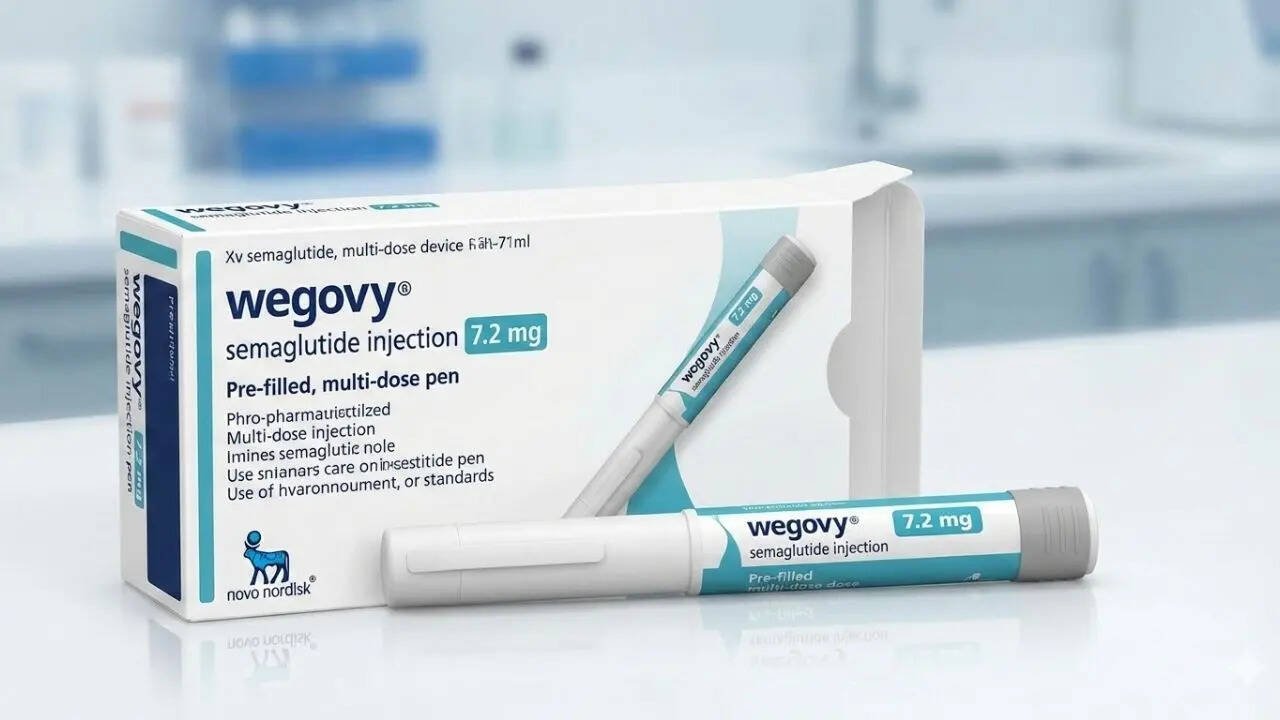
The UK’s drug regulator has cleared a higher-strength dose of the weight-loss injection Wegovy, as demand for the treatment is expected to rise sharply. The newly approved 7.2 mg dose is three times stronger than the current weekly dose of 2.4 mg. The Medicines and Healthcare products Regulatory Agency, or MHRA, said the stronger dose can lead to weight loss of more than 20 per cent. Trial data reviewed by the regulator showed that around one in three adults living with obesity who took the higher weekly dose lost more than 25 per cent of their body weight after 72 weeks.Weight Loss Jab To Launch Stronger Dosage In UKThe MHRA’s latest approval for Wegovy is based on findings from a clinical study known as STEP UP, which looked at how patients responded to the treatment. Results showed that people taking the 7.2 mg dose lost an average of 20.7 per cent of their body weight, compared with a 2.4 per cent reduction among those given a placebo. The trial also noted side effects, with mild to moderate digestive problems reported most often.The approval comes alongside research from the University of Oxford suggesting that people using drugs such as semaglutide, sold as Wegovy, and tirzepatide, marketed as Mounjaro, tend to lose weight while on treatment but regain it within about 20 months after stopping the injections. According to The Independent, people who lose weight through diet and exercise tend to maintain the loss for longer, close to four years on average, although some regain still occurs over time.Researchers cautioned that people using weight-loss injections need long-term support, as their analysis showed weight returns more quickly after stopping the drugs than it does for those following traditional diet plans. The study also found that improvements in blood sugar, cholesterol levels, and blood pressure fade once the medication is discontinued, leaving many patients back where they started. The Oxford-led research, published in the British Medical Journal, reviewed 37 studies involving more than 9,000 participants.What Is Wegovy?Wegovy is a widely used weight-loss injection containing the active ingredient semaglutide. Studies show that people on the standard maintenance dose of 2.4 mg lose an average of 17 per cent of their body weight over 68 weeks. A higher 7.2 mg dose has now been approved for use in the UK, with clinical trials indicating it can deliver weight loss of up to 21 per cent.What is Wegovy 7.2mg?Wegovy 7.2 mg is a new maintenance dose of the semaglutide-based weight-loss injection. Until now, the highest approved weekly dose was 2.4 mg. The stronger 7.2 mg option is being introduced by the drug’s manufacturer, Novo Nordisk, following its submission to regulators for approval.This new dose uses the same active ingredient, semaglutide, and works in the same way by helping overweight or obese adults lose weight. It does this by copying the action of the hormone glucagon-like peptide-1, or GLP-1, which helps regulate appetite and food intake.Further studies examining the safety and effectiveness of the higher dose are already in progress. The latest findings from the STEP UP phase 3b trial were published in November 2025.How Effective Is The Wegovy 7.2 Dose?The STEP UP phase 3b trial assessed how safe and effective the 7.2 mg dose of Wegovy is. The study included 1,407 participants who were randomly assigned to receive either 7.2 mg or 2.4 mg of Wegovy, or a placebo, over an 11-month period.The average weight loss recorded was:20.7 per cent in the 7.2 mg group17.5 per cent in the 2.4 mg group2.4 per cent among those given a placeboThe approval follows recent findings showing that about 1.6 million people used Wegovy or Mounjaro last year. Another 3.3 million people said they would consider using weight-loss medications in the coming year.According to The Independent, research by University College London based on a survey of 5,260 people found that 2.9 per cent of respondents were using GLP-1 drugs for weight loss. Of those, 15 per cent were taking medication that is not licensed for that purpose. Researchers warned that using drugs off label, meaning for conditions they are not approved to treat, such as using diabetes drugs for weight loss, can carry safety risks if taken without proper medical supervision.