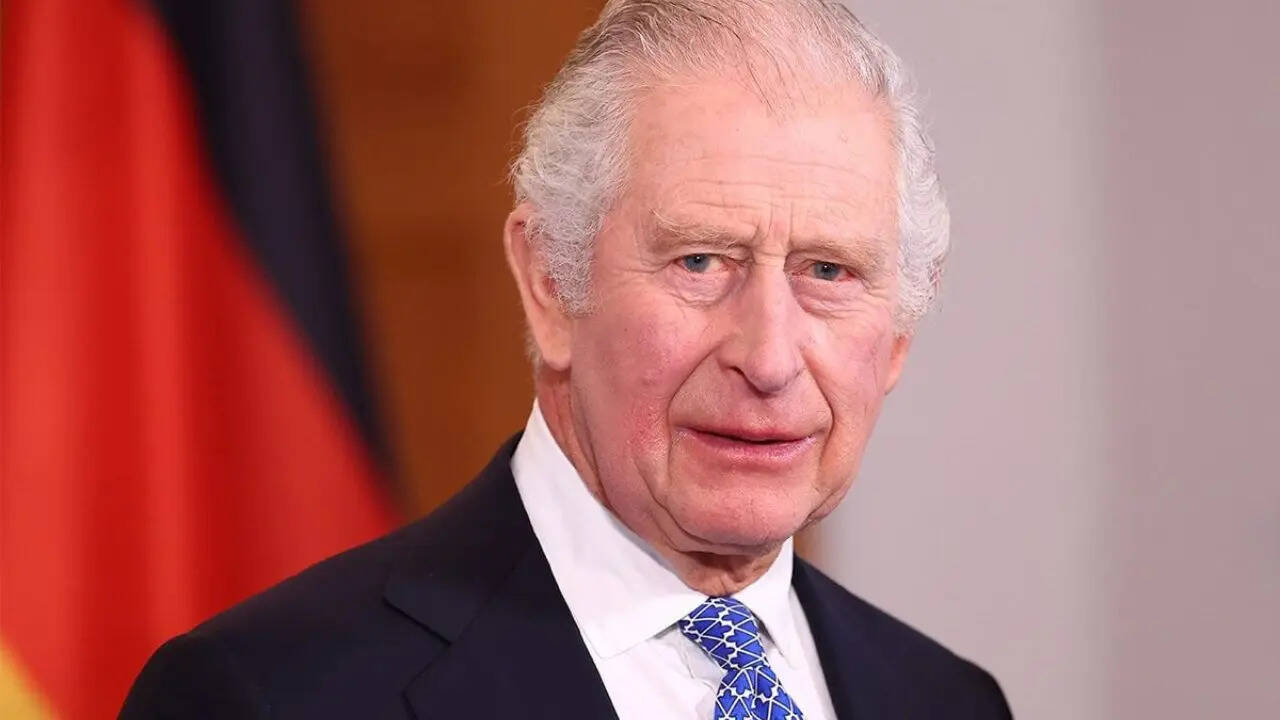
King Charles has delivered what he described as “good news” about his cancer, saying that early detection and timely treatment mean his care can now be scaled back in the coming year.In a recorded message aired on Channel 4 as part of the Stand Up To Cancer appeal, the King spoke openly about his experience. “This moment feels both deeply personal and a reflection of how far cancer treatment has come,” he said, pointing to advances in care that have shaped his recovery.It is the most detailed update on his condition since he publicly confirmed his diagnosis in February 2024.King Charles's Cancer: What Kind Of Cancer Does King Charles Have?The Palace has not disclosed the specific type of cancer, and officials have said treatment and monitoring will continue. What has been confirmed is that the King’s progress has been strong. Buckingham Palace said he has responded “exceptionally well” and has now entered what doctors describe as a precautionary phase of care.As a result, the frequency of his treatment will be significantly reduced. However, the King, who is 77, has not been described as being cured or in remission.“Thanks to early diagnosis, effective intervention and following my doctors’ advice, my treatment schedule can be reduced in the new year,” he said in his address.The video, recorded at Clarence House two weeks earlier, was broadcast during Friday night’s Stand Up To Cancer programme, a fundraising initiative supported by Cancer Research UK.The campaign aims to encourage people to come forward for testing and use national screening programmes. In his message, the King stressed how vital early checks can be.He reflected on the emotional weight of a diagnosis, saying it can feel overwhelming. At the same time, he underlined that catching cancer early can change outcomes by giving doctors more time and options. “Early detection can save lives,” he said. “It may save your life, or the life of someone you love.”King Charles's Health UpdateOn January 17, 2024, Buckingham Palace announced that the King would undergo a corrective procedure for a benign enlarged prostate, a common condition associated with ageing. He was advised to take a short period of rest following the treatment.The procedure took place at the London Clinic private hospital on January 26, and he was discharged three days later, on January 29.Dr Otis Brawley, a professor of oncology and associate director of outreach and engagement at the Johns Hopkins Sidney Kimmel Comprehensive Cancer Center, told TODAY.com that benign prostate enlargement is a frequent and non-cancerous condition seen in older men.What Is Prostate Cancer?Prostate cancer develops when cells in the prostate begin to grow and divide in an uncontrolled way. The prostate is a small gland in the male reproductive system that produces seminal fluid and sits just below the bladder, as per Mayo Clinic.In many cases, the disease progresses slowly and may not cause noticeable symptoms in its early stages. When it advances or spreads to other parts of the body, it can lead to urinary problems such as frequent urination, a weak or burning stream, erectile difficulties, and pain in the lower back or hips. Diagnosis usually involves PSA blood tests and tissue biopsies, and the majority of cases are adenocarcinomas that respond well to treatment when caught in time.