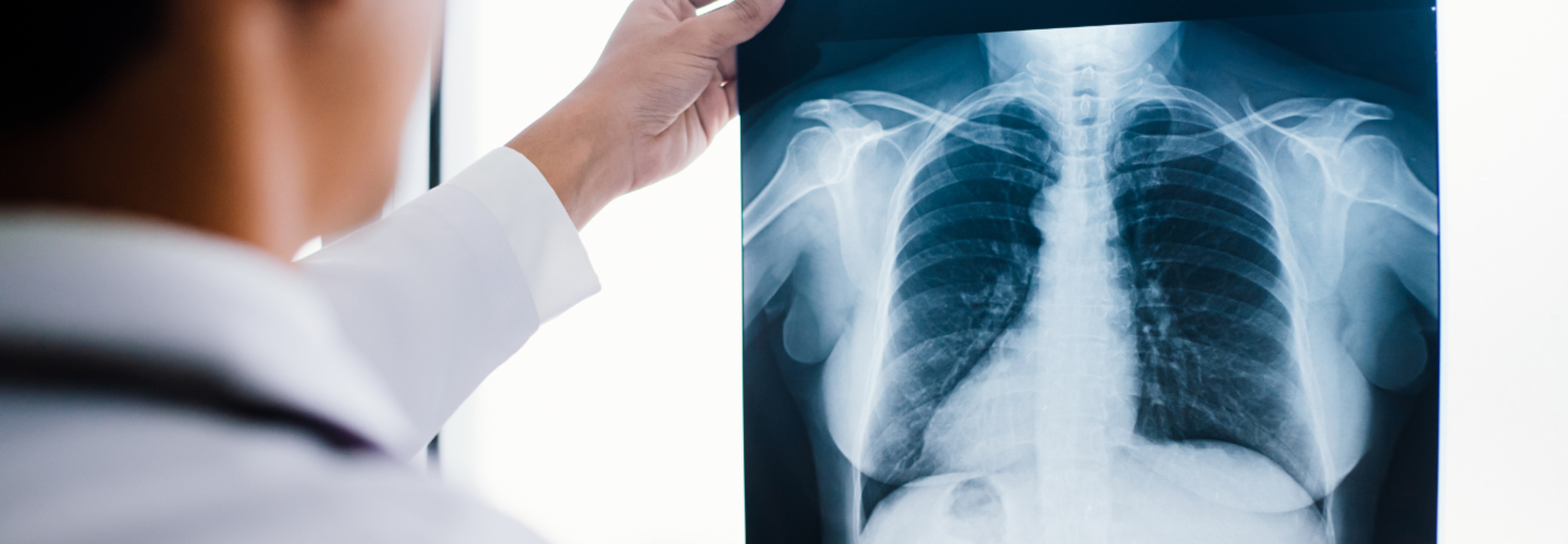
A mammogram is an X-ray examination of the breast, which is used to detect breast cancer through the detection of characteristic masses or microcalcifications. But, can it also tell something about your heart health?Now that the use of AI is increasing even in the medical field, these software are also analysing mammograms for calcification in the arteries of breasts that can indicate whether the person is at risk of cardiovascular disease. What Is Calcification?Calcifications are "incidental" findings, unrelated to breast cancer that could be associated with someone's heart disease risk. These are shown as parallel white lines in the film. While they have always been visible on the images, and noted by radiologists, but the information was not necessarily passed on. Now, with the AI analysis, this information is being passed on to patients, sometimes for a fee. In a video posted by Washington Radiology titled Mammo+Heart AI Screening, Islamiat Ego-Osuala, a breast imaging radiologist said, "If the past few decades has taught us anything about the field of radiology, it is that the sky's the limit. The possibilities are endless."Are There Doubts?Some experts believe that while a mammogram shows calcification in the breast artery, it is not the same as the calcification in the coronary artery. Coronary artery calcification is recognised as the major marker of heart disease. There are studies, however, that associate breast arterial calcification with the risk of cardiovascular disease, but the question remains. Even if you did not have breast arterial calcification, you might still be at risk of heart disease, heart attack, or stroke. What The Study Says?A 2022 study titled Breast Arterial Calcification: a Novel Cardiovascular Risk Enhancer Among Postmenopausal Women published in AHA|ASA Journals revealed that 26% had breast arterial calcification. When they were studied for over 6 years and 6 months, it was associated with a 23% increased risk of heart disease and a 51% risk of heart attack or stroke. However, most cardiovascular events happened to women who did not have breast arterial calcification. While these new findings are exciting, there is a need to find more and to answer the questions that were raised from the study.