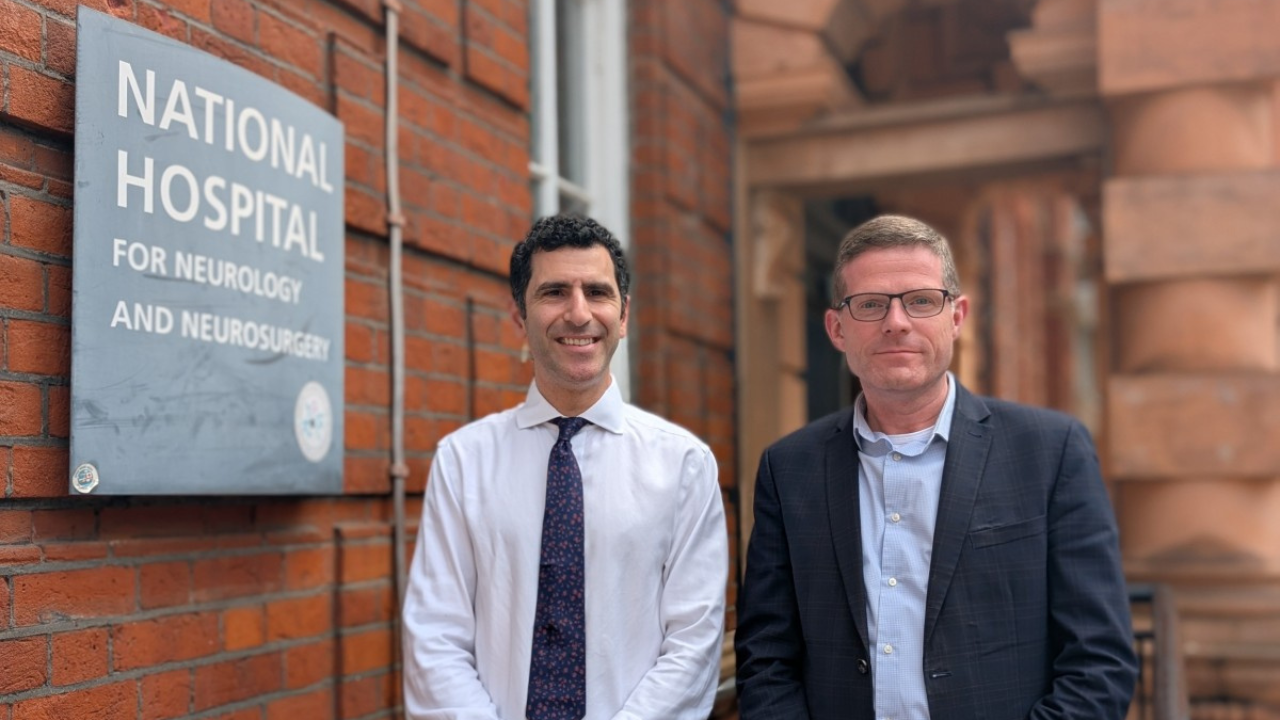
Doctors in London have performed the world’s first brain tumour surgery assisted by artificial intelligence. AI analysed the operation live, helping surgeons assess critical structures and protect the patient’s vision.The procedure was carried out in May at the National Hospital for Neurology and Neurosurgery, part of University College London Hospitals (UCLH). The first patient, 48-year-old Rhys Hibbert, had an 11-mm tumour on his pituitary gland that had begun affecting his vision. Hibbert’s vision had deteriorated to the point that he was using walking sticks. After surgery, he said he could see clearly when he woke up and was walking independently without glasses or sticks within a week. How AI Helped During The Operation? To answer the biggest question, the AI did not perform the surgery. The neurosurgeon was in complete control the whole time. The technology, instead, analysed live video from the surgical camera in real time. It identified and highlighted important structures in the brain, including blood vessels and nerves related to vision.The pituitary gland is roughly the size of a marble, but it is located in a crowded and packed region at the base of the brain. It is surrounded by the optic nerves and major blood vessels. A tumour in this area can therefore cause vision problems by pressing against the nerves.It's extremely delicate work as the pituitary gland, optic nerves and blood vessels are packed into an extremely small area. According to UCLH, being just a millimetre off target can potentially result in blindness, stroke or death.Also read: Daraxonrasib: US FDA Approves Once-Daily Pill for Metastatic Pancreatic CancerIn Hibbert's case, the tumour had been discovered after he collapsed and suffered a seizure in December 2024. His symptoms later progressed to hormone imbalance and worsening vision. Consultant neurosurgeon Professor Hani Marcus, who performed the operation alongside surgical resident Danyal Khan, said, “Huge thanks to the trial participants and to the team committed to improving patient outcomes by taking this important first step globally.”The AI therefore acted more like an additional set of highly trained eyes, helping surgeons steer clear of the areas that needed to be avoided while removing as much of the tumour as safely possible.The AI Was Trained On Hundreds Of Surgical VideosAlso read: Unapproved Weight-Loss Drug Caused Hospitalisations In Ireland: What Is Retatrutide & Why Is It Risky?The system was developed by researchers at the UCL Hawkes Institute and trained AI with hundreds of videos from previous endoscopic pituitary surgeries.Dr Sophia Bano, Associate Professor in Robotics and Artificial Intelligence at UCL and technical lead for the system, said the AI had been exposed to a breadth of surgical examples that would take a human surgeon many years to learn.She said, “It is designed to help recognise critical anatomy, surgical instruments and tissue interactions in real time, supporting the surgeon during highly delicate procedures.” The technology can also potentially track surgical instruments and how they interact with tissue, allowing the possibility of giving surgeons additional feedback during complex procedures. AI Is Supporting Surgeons, Not Replacing ThemThe significance of the procedure lies in real-time assistance. The surgeon interprets what is happening, makes decisions and controls the instruments, while the AI provides valuable additional information about the anatomy.Health Innovation Minister James Frith described the procedure as an example of AI's potential in healthcare, while stressing that safeguards remain essential. He said, “AI needs proper safeguards and we will always ensure that safety is taken seriously.”