
- Health Conditions A-Z
- Health & Wellness
- Nutrition
- Fitness
- Health News
- Ayurveda
- Videos
- Medicine A-Z
- Parenting
As Flu Cases Are Rising In The US, Can At-Home Tests Miss Early Infections?

Credits: Canva
If it feels like the flu is everywhere right now, that feeling is not off the mark. This season is shaping up to be particularly harsh. That makes it even more important to use every available option to slow the spread, including at-home flu tests.
Speaking on *Good Morning America* on Tuesday, ABC News medical correspondent Dr. Darien Sutton said this year’s flu wave has arrived sooner and with more force than last year. He explained that when flu activity starts early and remains heavy, the overall impact can be serious, not because the virus behaves differently in individuals, but because more people fall ill over a longer stretch of time. That prolonged pressure, he warned, can put a real strain on healthcare systems.
Are Flu Cases On The Rise?
Flu cases are increasing across the US and continue to climb. According to the latest data from the Centers for Disease Control and Prevention, the current season has already seen at least 7.5 million illnesses, 81,000 hospital admissions, and around 3,100 deaths linked to flu. Much of this activity has been associated with a newer strain, known as subclade K, identified through further testing of thousands of samples sent to the CDC.
Experts say mutations in this strain have created a mismatch with the composition of this season’s flu vaccine. Even so, specialists stress that the vaccine still plays an important role in lowering the risk of severe outcomes, including hospitalisation and death. They also note that it is not too late to get vaccinated this season.
Are At Home Flu Tests Accurate?
The US Food and Drug Administration cleared the first combined flu and COVID-19 home test kits in 2023, followed by the first rapid antigen versions toward the end of 2024. These tests are now available in pharmacies, much like at-home COVID kits.
That said, at-home flu tests come with limits, similar to what people experienced with home COVID testing. As the respiratory virus season intensifies, it is important to understand how these tests perform.
While home flu antigen tests are easy to use and relatively affordable, they are not as sensitive as lab-based testing, according to Campbell. He explains that this means a significant number of people who actually have the flu may still test negative. The tests also tend to work better in children than in adults. In children, sensitivity ranges from about 50 to 80 per cent, while in adults it is likely closer to 50 per cent or even lower. In practical terms, that means someone with flu may only get a positive home test result about half the time.
A study from 2022 found that at-home flu tests had a sensitivity of roughly 63 per cent when used within 72 hours of symptom onset. A more recent study examining a rapid combined COVID, flu, and RSV test reported flu sensitivity at just 54 per cent.
At the same time, the FDA has pointed to data showing that the first test it authorised correctly identified between 90.5 per cent and 92 per cent of flu A and B cases.
Experts say there are ways to improve the chances of getting an accurate result, including testing at the right moment and carefully following all instructions provided with the kit.
When to Take an At-Home Flu Test?
The timing of the test makes a big difference when it comes to accuracy. Bradley advises taking the test as soon as symptoms appear. Early symptoms such as fever, chills, fatigue, body aches, and congestion often coincide with the highest viral load in the body. This is when an antigen test is most likely to detect the infection.
In the two to three days that follow, viral levels tend to drop, Bradley explains, and test performance declines noticeably. By around 72 hours after symptoms begin, accuracy can be significantly reduced.
Campbell echoes this advice and suggests testing within the first one to two days of feeling unwell. For best results, people should aim to test as soon as they notice symptoms or within the first few days of illness.
How At-Home Flu Tests Work?
Like home COVID-19 tests, flu tests detect specific viral proteins, known as antigens. These particles are found in nasal fluid, which is collected using a swab.
Unlike COVID antigen tests, flu tests can also distinguish between influenza A and influenza B. Bradley explains that flu viruses are structured differently, which allows tests to tell these two types apart.
From a practical standpoint, whether the result shows flu A or flu B does not change much. Both strains spread in similar ways, are treated the same, and can lead to severe illness, particularly in people who are older or otherwise vulnerable.
Ray J In Hospital With Pneumonia And Heart Pain: How Common Are These Complications?

Credits: PEOPLE/Canva
Singer and actor Ray J has reportedly been admitted to a hospital in Las Vegas after experiencing what were described as “heart pains,” according to TMZ. The 44-year-old was hospitalized on January 6, with sources telling the outlet that the episode was connected to a severe case of pneumonia. As of Thursday afternoon local time, Ray J was still receiving medical care, TMZ reported.
According to the report, doctors conducted multiple tests, including chest X-rays and an echocardiogram, an ultrasound that checks how well the heart is functioning. The findings from these tests have not been shared publicly. Neither Ray J nor his representatives have released an official statement addressing his health or confirming his current condition.
Although the initial concern focused on possible heart-related issues, TMZ noted that pneumonia appears to be the primary cause behind his hospitalization. It is still unclear whether Ray J remains admitted or has since been discharged.
Ray J Hospitalised With Pneumonia, Heart Pain
This is not the first time Ray J has dealt with a serious pneumonia-related health scare. In late 2021, he was hospitalized after doctors initially suspected COVID-19 before later confirming pneumonia.
At the time, Ray J described the ordeal as life-threatening. “I thought it was over,” he told TMZ while recovering. “I started praying and knew God is good, so I just kept praying.” He later made a full recovery and was discharged after receiving oxygen support.
Despite reports of his recent hospitalization, Ray J has remained active online. He recently posted on Instagram to promote an upcoming event in Austin, Texas, scheduled for January 18 as part of his birthday celebrations. The post made no reference to any health concerns.
Pneumonia: What Is This Disease?
Pneumonia is an infection of the lungs that causes inflammation in the air sacs, known as alveoli. These air sacs may fill with fluid or pus, making breathing difficult and reducing the amount of oxygen reaching the bloodstream. The illness can be caused by bacteria, viruses, or fungi and often presents with symptoms such as coughing, fever, chills, and shortness of breath.
While pneumonia is usually treatable with medication, it can become severe in certain cases, particularly among older adults, young children, and people with weakened immune systems. Because of these risks, pneumonia remains a leading cause of hospitalization, according to the Cleveland Clinic.
Does Pneumonia Come With Heart Symptoms?
Yes. Pneumonia can trigger heart-related symptoms and complications. According to Healthline, patients may experience a rapid heart rate, chest pain, or increased strain on the heart. In more serious cases, pneumonia can worsen existing heart conditions or lead to complications such as arrhythmias, heart failure, or even heart attacks.
The intense inflammation caused by a lung infection places added stress on the cardiovascular system, making early diagnosis and treatment especially important, particularly for older adults or those with underlying heart disease.
How Common Are Pneumonia And Heart Symptoms?
Pneumonia is a common illness and is frequently linked to heart complications. Research cited by the National Institutes of Health shows that roughly one in four hospitalized adults with pneumonia develop major cardiac issues, including heart attacks, heart failure, or abnormal heart rhythms. These complications significantly increase the risk of death.
Heart disease also raises the likelihood of developing pneumonia, creating a two-way relationship between the two conditions. Inflammation from the infection can put additional pressure on the heart, especially in older patients and those with pre-existing cardiovascular problems.
Is Pneumonia With Heart Symptoms Fatal?
Yes, pneumonia accompanied by heart-related symptoms can be fatal. Cardiac complications are common and greatly increase mortality risk, particularly among older adults and individuals with existing heart conditions such as heart failure. The danger is highest in the period immediately following the infection.
Pneumonia places heavy stress on the heart and can trigger heart attacks, strokes, or a rapid worsening of existing heart disease, underscoring the importance of prompt medical care.
- Increased Mortality: Heart complications can make pneumonia more severe and raise the risk of death.
- Triggers Cardiac Events: Infection-related inflammation can lead to heart attacks, strokes, or irregular heart rhythms, even in people without prior heart disease.
- Exacerbates Existing Conditions: For those with heart failure or cardiovascular disease, pneumonia can cause sudden deterioration, leading to respiratory failure and death.
Working Out For 10 Minutes May Decrease Your Risk Of Colorectal Cancer, Study Proves

Credit: Canva
Performing short and intense exercises that last for about 10 minutes may significantly reduce the risk of colorectal cancer, a British study shows.
Researchers at Newcastle University have found that completing brief workouts increases the concentration of several small molecules in the blood that have previously been linked to reducing inflammation, improving blood vessel function and metabolism.
The findings, which were published in the International Journal of Cancer, also noted that even short bouts of exercise can influence the activity of genes that govern tumor growth and fight against cancer.
Dr Sam Orange, Senior Lecturer in Clinical Exercise Physiology at Newcastle University and lead study author, said of the results, "What’s remarkable is that exercise doesn’t just benefit healthy tissues, it sends powerful signals through the bloodstream that can directly influence thousands of genes in cancer cells.
“It’s an exciting insight because it opens the door to find ways that mimic or augment the biological effects of exercise, potentially improving cancer treatment and, crucially, patient outcomes.
“In the future, these insights could lead to new therapies that imitate the beneficial effects of exercise on how cells repair damaged DNA and use fuel for energy.”
How Does It Work?
The study involved 30 participants, both male and female between the ages of 50–78. All of the participants were overweight or obese (a risk factor of cancer) but otherwise healthy.Researchers had asked each volunteer to complete a short, intense cycling test that lasted about 10 minutes and collected each of their blood samples which were then meticulously analyzed.
After studying about 249 proteins, the experts found nearly 13 protein had increased in their blood flow after the short exercise including interleukin-6 (IL-6), which helps repair the DNA of damaged cells.
When these exercise-induced proteins were applied to colorectal or bowel cancer cells by the scientists in a lab, they discovered that these new proteins could alter the activity of over 1,300 genes, particularly those who were responsible for DNA repair, energy production and cancer cell growth.
As a result, they concluded that performing even small exercises can activate a set of genes in the body's cells that can support efficient use of oxygen and promote energy metabolism. Additionally, the British researchers also discovered that the cell genes which have been previously associated with rapid cell growth were switched off after working out, suggesting that this might aid in controlling cancerous growths in the body.
What Is Colorectal Cancer?
Colorectal or bowel cancer is a common cancer that forms in the tissues of the colon (large intestine) or rectum, often starting as non-cancerous growths called polyps that turn cancerous over time.
Despite being treatable and preventable, colorectal cancer is currently the second leading cause of cancer-related deaths worldwide. Over 70,000 new cases of colorectal cancer occur annually in India, making it the fourth most common cancer in the country.
Typical symptoms usually include :
- Blood in or on the stool
- Changes in bowel habits (diarrhea, constipation, narrower stools)
- Abdominal discomfort, cramps, gas, or pain
- Feeling that your bowel doesn't empty completely
- Weakness, fatigue, or unexplained weight loss
Expert Explains: Why Do Allergies And Rashes Increase In Winter? According To Dermatologist
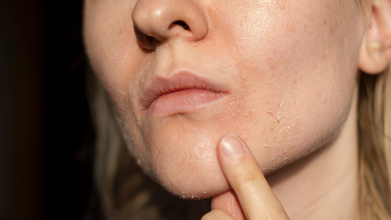
Credits: iStock
When temperature drops, so does the moisture even in your skin. This is what leads to a rash or allergies. In fact, with changes in temperature, and winters, our lifestyle changes too, this could also be the reason why we experience a winter rash, or allergies. To understand this better, Health and Me spoke to Dr Navjot Arora, Consultant Dermatologist, Dermaheal Skin and Clinic at Dwarka, Delhi, who explained that allergies and skin rashes tend to increase during winter due to both, environmental factors and changes in skin health. "Cold temperatures and low humidity levels reduce moisture in the air, leading to excessive dryness of the skin. When the skin becomes dry, its natural protective barrier weakens. This makes it more prone to irritation, inflammation, and allergic reactions."
Why Does Winter Weather Increase Chances Of Rashes And Allergies?
The doctor explains that during winter, people tend to stay indoors more, and it also increases their exposure to allergens like dust mites, mold, pet dander, and chemical fumes from heaters and cleaning products. "Limited ventilation and closed spaces allow these allergens to build up, triggering allergic responses and skin rashes, especially in individuals with sensitive skin or pre-existing conditions like eczema."
Cold weather also affects blood circulation to the skin. Reduced blood flow can slow down the skin’s repair process and weaken its defense against irritants and allergens. As a result, chronic skin conditions such as eczema, psoriasis, and contact dermatitis often worsen in winter, leading to itching, redness, flaking, and rashes.
Lifestyle Changes In Winter
Doctor also points out that during winters, our bathing habit changes. Dr Arora says, "Frequent hot showers strip away the skin’s natural oils, increasing dryness and irritation. In addition, wearing heavy woolen or synthetic clothing can cause friction, sweating, and contact allergies, particularly in skin folds, which can further contribute to rashes."
Common Symptoms Of Winter Rashes
- flushing
- swelling
- itching
- flaking skin
- sensitivity
- bumps
- blisters
If not treated well, or in time, it can develop into more serious health threat, especially if you have a family history of
- eczema or another type of dermatitis
- psoriasis
- rosacea
- allergies
- asthma
- sensitive skin
What Are The Cures To Winter Rashes And Allergies?
The rise in allergies and rashes during winter is largely linked to dry weather, indoor allergen exposure, and skin barrier damage. Maintaining proper skin hydration, avoiding harsh soaps, limiting hot water exposure, and wearing skin-friendly fabrics can help reduce the risk of winter-related allergies and skin rashes.
Moisturizers are usually the first line of care for dry skin because they help trap moisture and prevent further dryness. Apply them multiple times a day, especially after bathing or washing your hands. Thicker options like creams or ointments tend to keep skin hydrated longer than lighter lotions.
Petroleum jelly can also be effective, as it forms a protective barrier that seals in moisture. If you prefer to avoid petroleum-based products, alternatives like Waxelene or Un-Petroleum work in a similar way to reduce moisture loss.
Natural virgin oils, such as coconut oil, may help calm irritated skin and restore hydration. Use them on areas that are not acne-prone, and always do a patch test on a small area for 24 hours before wider application.
Oatmeal-based soaps or oatmeal baths can also help soothe dry, itchy skin. You can buy ready-made oatmeal soaps or add finely ground oats to a warm bath and soak for about 10 minutes.
For itching and inflammation, topical hydrocortisone creams, available over the counter or by prescription, may provide relief. Always follow the instructions on the label or use them as advised by a doctor.
Disclaimer: This is not a substitute for actual prescribed medicine. Please consult a doctor before you purchase any medicine or ointment for your rashes.
- Follow Us :


© 2024 Bennett, Coleman & Company Limited