
- Health Conditions A-Z
- Health & Wellness
- Nutrition
- Fitness
- Health News
- Ayurveda
- Videos
- Medicine A-Z
- Parenting
Avoid Doing These 3 Things Prevent Dementia, According To Neurologist

Your habits have a much bigger impact on your brain health than you realize. Doctors and health experts warn that habits as simple as sleeping late can increase the risk of dementia and Parkinson's.
In a recent post made by Neurologist Dr Priyanka Sehrawat on Instagram, the AIIMS doctor listed 3 key behaviors that can increase one’s risk of dementia.
3 Habits That Increase Risk Of Parkinson’s And Dementia
In the post Dr Sehrawat, she explained that these three things suggest people not do if they wish to reduce their risk of dementia, Parkinson's or any other neurological conditions.
Sacrifice Sleep
Think of sleep as a "repair shop" for your head. When you sleep, your body fixes damaged brain cells and clears out toxins. If you don't get enough rest, your brain cells can wear out faster, which makes it harder to remember things and increases the risk of brain diseases as you get older. To keep your mind sharp, you should try to get between seven to eight hours of sleep every night.
The best time to be asleep is between 10PM and 5AM, even if you can't hit that exact window, try your best to be in bed by 11.30 PM at the latest. Giving your brain this dedicated time to rest is one of the best ways to stop it from degenerating over time.
Never Skip Breakfast
Starting your day without eating is a bad idea for your brain and your immune system. Many children today are suffering from painful migraines and frequent headaches simply because they are going to school on an empty stomach. When you skip breakfast, your body doesn't have the fuel it needs to function properly, which puts a lot of stress on your nervous system.
Eating a morning meal also helps protect you from getting sick. It keeps your immune system strong so that when you or your children go out into the world, you are better prepared to fight off infections. Make sure everyone in the family eats something nutritious before leaving the house, the expert advices.
Avoid a Sedentary Lifestyle
Being "sedentary" means sitting down for most of the day without much movement. While it is good to hit 10,000 steps by doing chores or walking around the office, that isn't enough to truly protect your brain. Your body needs more than just casual movement to stay healthy and prevent neurological illnesses.
To see benefits, you need to set aside time for a "brisk walk." This means walking fast enough to get your heart rate up for at least 30 minutes straight. Whether you do it in the morning or the evening, this dedicated exercise is what helps keep your brain and body in top shape as you age.
How Many People Suffer With Neurological Conditions?
In 2021, according to the World Health Organization, 3 billion people worldwide were living with neurological conditions. This means that about 1 in 3 people were affected, making this one the leading cause of illness and disability worldwide. One of the top ten conditions that affected people was dementia.
As global organizations like WHO work towards closing the treatment gap, healthcare professionals are working towards spreading awareness among the masses.
Elton John Undergoes Major Knee Surgery, Here Is What He Did With His Bones
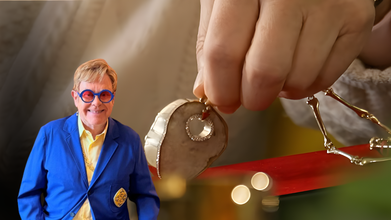
(World Gold Council Youtube/Elton John Instagram)
Sir Elton John continues to surprise his fans as he shares how he made jewelry out of his old knee. His eccentric style and rockstar allure took over the music industry; however, recently the 78-year-old shared how he transformed his old kneecap into a fashion statement.
In a short documentary about what he did with his body parts after undergoing a double knee replacement in 2024, he revealed that when he had his kneecaps first removed, he asked is he could keep the kneecaps, which startled his surgeon.
The right kneecap was turned into a gold-framed necklace. Elton pointed out a natural hole in the bone, joking that his surgeon called his knees the "worst" he had ever seen.
Why Did Elton John Get Knee Replacement Surgery?
While the exact reason for the Rocket Man singer’s knee replacement surgery is not known, according to the Mayo Clinic a knee replacement surgery is done to replace parts of injured or worn-out knee joints.
During a knee replacement surgery, the damaged bone and cartilage are replaced with parts of metal and plastic. To check whether you need a knee replacement surgery, the doctor first determines whether you need a replacement or not. They also understand your knee’s range of motion, stability and strength.
When Is Knee Replacement Surgery Needed?
While knee replacement surgery may not be necessary all the time, how does one recognize the need for it? Experts explain that deciding on surgery can be difficult, but here are some signs you should look out for:
Severe Physical Changes
The most common indicator is "bone-on-bone" pain, caused by worn-down cartilage. While genetics and weight play roles, surgery becomes necessary when pain stops you from enjoying life, like playing with grandkids or cycling.
Exhausted Other Options
Before choosing surgery, try physical therapy or joint injections. If these fail, a replacement is the logical next step.
Commitment to Recovery
Modern implants can last over 20 years, but you must commit to months of physical therapy. Prioritizing your current quality of life is more important than worrying about future wear.
Other Body Part Elton Had To Remove Or Replace
This knee surgery is just one of many health challenges the 78-year-old star has faced. Elton has joked that he is a bit like a "bionic man" because so many of his original parts are gone. Over the years, he has had his tonsils, appendix, and prostate removed as well as undergone a hip replacement.
Beyond surgeries, Elton has managed Type 2 diabetes for over twenty years, which means he has to be very careful about blood sugar levels and insulin production. He has also survived a terrifying health scare following a prostate cancer diagnosis, where a rare infection left him "24 hours from death."
Despite all these health battles and retiring from touring in 2023, Elton says he is happier than ever. He is proud to have ended his performing career on a "high note" with his final shows and feels lucky to still be here, celebrating his life through music and his one-of-a-kind jewelry.
101-Year-Old Chinese Grandmother Shares Her ‘Weird’ Habits For Longevity
Jiang Yueqin, a 101-year old Chinese grandmother is changing the way people look at longevity online. While most people think her long life is due to a strict diet and routine, Yueqin credits her long life to her mindset, reports South China Morning Post.
Yueqin, who lives in Wenzhou, Zhejiang province, has developed a unique schedule over the last two years. While most people are turning into early risers, she sticks to being a ‘night owl’. She stays up until 2AM every single night, spending her time watching her favorite television programs.
Yueqin usually falls into a deep, high-quality sleep within minutes of her lying down on her hard the pillow. Once she is up and ready for the day, her first task is to enjoy a strong, refreshing cup of green tea.
How Can Your Mindset Affect Longevity?
When asked how her mother reached 101 while ignoring traditional health rules, Yueqin says it isn't just about the tea or the sleep, it’s about her mental outlook. The longevity expert lives with an extraordinary sense of clarity and peace. She chooses not to hold onto anger and never carries a grudge, regardless of what happens in her life.
Yueqin’s philosophy is simple: she addresses the problems she can solve and does not worry over the ones she cannot.
And researchers at the University of Florida agree.
They explain that when the body is in a state of stress for weeks or months, it keeps pumping out a hormone called cortisol. While cortisol helps you handle quick emergencies, excessive amounts of it in your system for too long acts like a toxin. This chemical imbalance can lead to several serious health problems that directly impact how long you live.
Online followers have praised her family’s support, noting that a stress-free environment and a positive attitude are likely the true "superfoods" behind her long and happy life.
What Else Does Yueqin Do?
One of the most surprising things about the expert is her physical health. Remarkably, at 101 years old, she still has all of her natural teeth and has never needed a single dental procedure or dentures.
Her eating habits are just as lively as her schedule. She eats brunch in the morning and dinner around 6:00 PM, but she often gets hungry again around 9:00 PM. When those late-night cravings hit, she reaches for local crispy pastries or modern snacks like potato chips, rice cakes, and dried sweet potatoes, treats which are usually preferred by much younger people.
Yueqin lifestyle is a clear sign mindset is as important as is eating well and exercising to live a long life
Bacterial Vaginosis Is Not Just A Women’s Issue, Experts Say Men Can Be Affected Too

Credits: AI Generated
Bacterial vaginosis (BV) is among the most common vaginal conditions and develops when the natural balance of bacteria in the vagina is disrupted. If you have experienced it before, the symptoms are likely familiar: a strong fish-like smell, changes in vaginal discharge, and persistent discomfort. Because BV is usually framed as a condition affecting people with vaginas, it raises an important question many people still ask: can men get bacterial vaginosis too?
What Is Bacterial Vaginosis (BV)?
Bacterial vaginosis occurs when healthy lactobacilli bacteria in the vagina decline, allowing other bacteria, such as Gardnerella, to multiply. This imbalance typically causes thin grey or white discharge with a noticeable fishy odor, which often becomes stronger after sex.
Although BV is not classified as a sexually transmitted infection, it does raise the risk of acquiring STIs and can lead to pregnancy complications, including preterm birth. Diagnosis is made by a healthcare professional, and treatment usually involves antibiotics like metronidazole or clindamycin. Even after treatment, BV is known to return in many cases.
Bacterial Vaginosis Symptoms And Causes
As many as 84 percent of people with BV may not notice any symptoms at all. When symptoms do appear, they can include:- Vaginal discharge that looks off-white, grey, or slightly green
- A fishy-smelling discharge, especially after intercourse
- Itching or irritation in the vaginal area
- A burning sensation while urinating
Can Men Get Bacterial Vaginosis?
A major study published in The New England Journal of Medicine has challenged long-held beliefs about BV. The research showed that BV can be passed through sexual contact and that treating male partners significantly lowers the chance of the infection coming back. These findings have already influenced medical guidelines in the United States, ending years of treating BV as a condition affecting only women, despite frequent recurrence.
The study suggests that persistent BV was not due to poor treatment adherence but rather incorrect assumptions about transmission. While BV is not a traditional STI caused by a single organism, it does spread through sex and thrives when the vaginal environment is disturbed. This has highlighted the limitations of strict STI definitions and the consequences of excluding partner treatment.
For both patients and clinicians, this shift matters. It reframes BV as a shared health concern rather than a problem limited to the vagina, helping reduce stigma and improve outcomes. It also exposes how narrow thinking in women’s health delayed better research, treatment strategies, and shared responsibility.
Bacterial Vaginosis: What Causes Similar Symptoms In Men?
Men cannot develop BV itself, but they can experience symptoms that resemble it, such as itching, unusual discharge, or unpleasant odors. Several conditions may be responsible.
Thrush
Thrush is a fungal infection caused by an overgrowth of Candida albicans. In men, it can lead to itching of the penis and a thick, clumpy buildup under the foreskin. Wearing tight clothing, excessive sweating, and poor ventilation of the genital area can increase risk. Thrush can be passed between partners during unprotected sex.STIs
Several sexually transmitted infections caused by bacteria can mimic BV-like symptoms in men. These include:
- Gonorrhea
- Chlamydia
- Trichomoniasis
- Genital herpes
- Human immunodeficiency virus (HIV)
STIs are typically spread through unprotected sexual contact.
Urinary Tract Infection
Although UTIs are more commonly associated with women, men can develop them too. This happens when bacteria multiply in the bladder or urinary tract. Symptoms may include:
- Inflammation
- Pain or burning during urination
- Blood in the urine
UTIs often occur when Escherichia coli bacteria enter the urinary tract through the urethra and move upward.
Balanitis
Balanitis refers to inflammation of the skin at the tip of the penis. It is more common in men who are uncircumcised and may make it difficult to retract the foreskin due to swelling. Possible causes include:
- Overwashing or poor hygiene
- Use of scented or irritating products
- Sexually transmitted infections
- Reactive arthritis
- Poorly controlled diabetes
- Follow Us :


© 2024 Bennett, Coleman & Company Limited