
- Health Conditions A-Z
- Health & Wellness
- Nutrition
- Fitness
- Health News
- Ayurveda
- Videos
- Medicine A-Z
- Parenting
Boys Need HPV Vaccination to Prevent Cancer, Experts Warn
Credit: Canva
Human Papillomavirus (HPV), a sexually transmitted virus, is most commonly known to cause cervical cancer and cancers affecting the vagina, vulva, anus and throat in women.
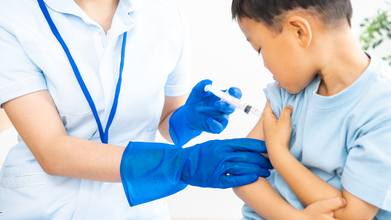
However, experts are now warning that it can also cause a variety of cancers in men, too, some of which are on the rise and young teenage boys should also receive the HPV vaccination for adequate protection.
The European Cancer Organisation noted in a LinkedIn post: "HPV affects everyone, regardless of gender. It can lead to cancers of the cervix, mouth and throat, anus and penis. This is why universal protection is so important.
"Yet, vaccination rates for boys remain much lower than for girls in many countries, creating an avoidable gap in protection that places countless young people at risk for cancers later in life."
According to Dr David Pfister, an oncologist at Memorial Sloan Kettering Cancer Centre, New York, the HPV vaccine protects men from penile, neck and head cancer. He also noted that while a pap test detects early-stage cervical cancer in women, no such test exists for penile, anal, or head and neck cancers in men, which can worsen their survival rate.
Dr Pfister explained: "Developing something like a pap test for throat cancer would be a game-changer. When you compare the throat to the cervix, the anatomy of sites like the tonsils and the base of the tongue have hard-to-reach crevices the virus can hide in.
"Until an effective and reliable screening test is developed, patients should stay up to date on their HPV vaccines, know how the disease is acquired, and take any suspicious symptoms like a lump in the neck or blood in the phlegm to their doctor or dentist."
How Does HPV Spread And Is It Life-Threatening?
HPV is primarily spread through skin-to-skin contact during sexual activity. While many HPV infections clear on their own, high-risk types of HPV can become life-threatening if they persist and lead to cancers, especially when detected late.
Regular screenings such as pap tests and vaccinations against high-risk types are crucial for prevention.
When Should You Get The HPV Vaccination?
The HPV vaccine is approved and recommended for:
- Girls aged nine to 45 years
- Boys aged nine to 26 years
The age limit for getting vaccinated is based on the assumption that most people have had sex and may have potentially been exposed to multiple strains of HPV by adulthood. If you’ve already been exposed to the virus, the vaccine will not be of benefit.
The HPV vaccine does not require a booster shot, according to the Cleaveland Clinic.
Are HPV-Caused Cancers On The Rise In India?
Yes, according to Apollo Diagnostics, about 365.71 million women over age 15 live in India and are at risk of developing cervical cancer. Moreover, over 130,000 Indian women are diagnosed with cervical cancer cases annually and nearly 75,000 die of the disease.Recently, doctors have also observed a rise in HPV-linked neck and head cancers in young Indians, in their 20s and 30s. Studies have also shown a high incidence of HPV-associated cancers among men. About 25,000 HPV-associated cancer cases among men were reported in 2025.
Another study conducted in two Indian cities among 300 HIV-positive men who have sex with men found an anal HPV prevalence of 95 percent.
Josie Gibson Opens Up About Her 'secret' Health Disorder And Turning To ‘Last Resort’ Surgery

Credits: Screengrab and Wikimedia Commons
Josie Gibson, English TV personality, opened up about her secret health disorder and that she is turning to a "last resort" surgery for the same. She revealed that this health challenge has left her with extreme pain. This Morning presenter, 40, appeared on the show and spoke to Cat Deeley and Ben Shephard about being diagnosed and having a "lipodema" body. She said, "A couple of years ago somebody actually said on Instagram, 'you have got a typical lipodema body'. I thought, 'what's lipedema?'"
She said she did not even have a clue, but she knew something was not right. But she did not know what lipedema was. She got diagnosed about a year ago and had a surgery. She told her fans that she has been "constantly fighting" her genetics.
What Did Josie Gibson Reveal About The Surgery?
Speaking on ITV’s This Morning, Gibson said surgery was a “last resort” but described herself as happy with the results after spending around £7,000 on liposuction to treat her calves. She explained that the procedure, which combines liposuction with a technique that tightens the skin, had to be carried out in stages.
“The last thing I want to do is put myself through surgery, but it was my last resort,” she said, adding that she had only treated her calves so far. Gibson said the change in her appearance had been significant, telling viewers: “All my life I have wanted to have ankles. I’ve finally got them.”
What Is Lipedema?
Lipoedema is a condition that mainly affects women and causes an abnormal build-up of fat, most commonly in the legs and sometimes the arms. It can make the lower body appear out of proportion and is often associated with pain, tenderness and a feeling of heaviness.
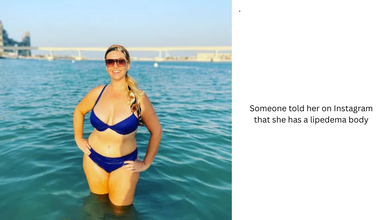
Gibson said she had always felt something “wasn’t right” with her body but was only diagnosed with lipoedema last September. She said specialists told her that diet and exercise would not remove the affected fat. “They said I could train seven days a week and I wouldn’t get rid of lipoedema fat like that,” she said.
Describing the impact of the condition, Gibson said her legs felt increasingly out of place compared with the rest of her body and that symptoms had worsened over time, now also affecting her arms. “I could train, train and train but really, I’m going down the surgery route now,” she added.
Lipoedema specialist Dr Dennis Wolf, who also appeared on the programme, said the condition is not currently treated on the NHS due to the lack of a formal diagnostic test and limited research. He said doctors often rely on symptoms and patient experiences to identify it and believes some people may have a genetic predisposition.
Dr Wolf explained that lipoedema fat is resistant to weight loss, meaning people can exercise and diet without seeing changes in affected areas. While surgery is the most common way to manage the condition, other treatments include compression garments to help reduce discomfort.
Gibson also shared a light-hearted moment from her surgery, admitting the anaesthetic left her flirtatious and apologetic towards her surgeons.
Heart Diseases Drop In US, But Still Is The Leading Cause Of Death
Credits: Canva
Fewer people are dying of heart disease, however, as per a new report from the American Heart Association (AHA), it is still the leading cause of death in the US. While the report noted a drop in rates of deaths by heart diseases for the first time in five years, the report also noted that it kills more American than any other condition. The report was published early Wednesday in the journal Circulation.
What Did The AHA Report Reveal?
The report found that annual rates of heart disease deaths have in fact decreased by 2.7% between 2022 and 2023. This means it went from 941,652 to 915, 973. However, cardiovascular diseases still killed more people in the US than cancer and accidents combined.
The report found that deaths caused by blockages in the coronary arteries, the blood vessels supplying the heart, fell by 5.9%, dropping from 371,506 to 349,470 over the same period. Coronary artery disease, a major cause of heart attacks, still claims two lives every three minutes. Other vessel-damaging chronic conditions also remain widespread.
The report found that the share of U.S. adults with high blood pressure edged up to 47.3%, while overall obesity rates dipped slightly to 50%. However, obesity is increasing among children and teenagers, rising from 25.4% to 28.1% in those aged 2 to 19.
Prevention remains the most powerful tool to reduce heart disease deaths, experts say. Because heart disease cannot be cured, waiting for symptoms often means focusing only on treatment rather than stopping the problem early. Early prevention, by contrast, has a much bigger impact on saving lives.
The report highlights four key lifestyle habits for heart health: eating a balanced diet, staying physically active, getting enough sleep and avoiding tobacco. It also stresses four important health measures: managing weight, cholesterol, blood sugar and blood pressure.
Together, these eight factors could prevent up to 40% of heart disease deaths and cut the risk of developing serious heart disease symptoms by as much as 74%. These same habits also benefit the brain, helping slow brain ageing and lower the risk of dementia, especially by keeping blood pressure under control.
Heart Health Is Also an Economic Issue
Cutting down cardiovascular disease in the U.S. would not only help people live healthier lives, it could also ease the strain on the economy, experts say. Heart disease carries a massive financial cost, with an estimated $414.7 billion spent each year on direct treatment and indirect losses between 2021 and 2022.
Even though the benefits of healthy habits are well known, getting people to prioritize heart health remains difficult. Only one in four U.S. adults meets national guidelines for both aerobic and muscle-strengthening exercise. Control of chronic conditions is also lacking, with less than half of Americans with type 2 diabetes managing their disease effectively.
Experts stress that regular physical activity, tailored to individual ability, can make a real difference. Simple, consistent movement and timely health checkups can go a long way in protecting both personal health and the wider economy.
Could You Be Overdoing Iron Supplements? Four Signs Doctors Say Not To Ignore
Credits: Canva
Britons who regularly take a commonly used supplement are being urged to cut back if they notice four particular symptoms, as excessive intake can be dangerous and, in some cases, life-threatening. Vitamins and minerals are essential for keeping the body functioning properly. While most nutrients should ideally come from a healthy, balanced diet, many people choose to top up their intake with supplements.
Iron is one such supplement. This mineral plays a key role in making haemoglobin, the substance in red blood cells that carries oxygen around the body. When iron levels are too low, it can lead to iron deficiency anaemia. This condition may cause symptoms such as constant tiredness, low energy, shortness of breath, and heart palpitations. To avoid this, some people turn to iron supplements.
Could You Be Overdoing Iron Supplements?
The NHS has issued guidance on its website, warning that taking “too much” iron can cause side effects. These include:
- Constipation
- Feeling sick
- Being sick
- Stomach pain
If these symptoms appear, it may be a sign that your iron intake needs to be reduced. In children, taking too much iron can be particularly dangerous and may even be fatal.
The NHS states: “Very high doses of iron can be fatal, particularly if taken by children, so always keep iron supplements out of the reach of children.” For adults, a high dose of iron is classed as more than 20mg.
How Much Iron Do You Need?
- 8.7mg a day for men aged 19 and over
- 14.8mg a day for women aged 19 to 49
- 8.7mg a day for women aged 50 and over
- Women who continue to have periods after the age of 50 may need the same amount of iron as women aged 19 to 49
The Department of Health and Social Care (DHSC) says that “most people” should be able to meet their iron needs through a varied and balanced diet. But for those who do take supplements, the NHS advises: “Do not take too much as this could be harmful.”
It adds that taking 17mg or less of iron supplements each day is “unlikely” to cause harm. The guidance continues: “But continue taking a higher dose if advised to by a GP.”
Good sources of iron include:
- Liver (but this should be avoided during pregnancy)
- Red meat (though the DHSC advises limiting red and processed meat due to a possible link to bowel cancer)
- Beans, such as red kidney beans, edamame beans, and chickpeas
- Nuts
- Dried fruit, including dried apricots
- Fortified breakfast cereals
- Soybean flour
Symptoms Of Iron Deficiency Anaemia
- Tiredness and low energy
- Shortness of breath
- Noticeable heartbeats, also known as heart palpitations
- Skin that appears paler than usual
- Headaches
- Ringing, buzzing, or hissing sounds in the ears or head, known as tinnitus
- Food tasting unusual
- Itchy skin
- A sore tongue
- Hair loss, with more hair coming out during brushing or washing
- Craving non-food items such as paper or ice, a condition called pica
- Difficulty swallowing, known as dysphagia
- Painful open sores at the corners of the mouth
- Changes to the nails, including spoon-shaped nails
- Restless legs syndrome
- Follow Us :


© 2024 Bennett, Coleman & Company Limited