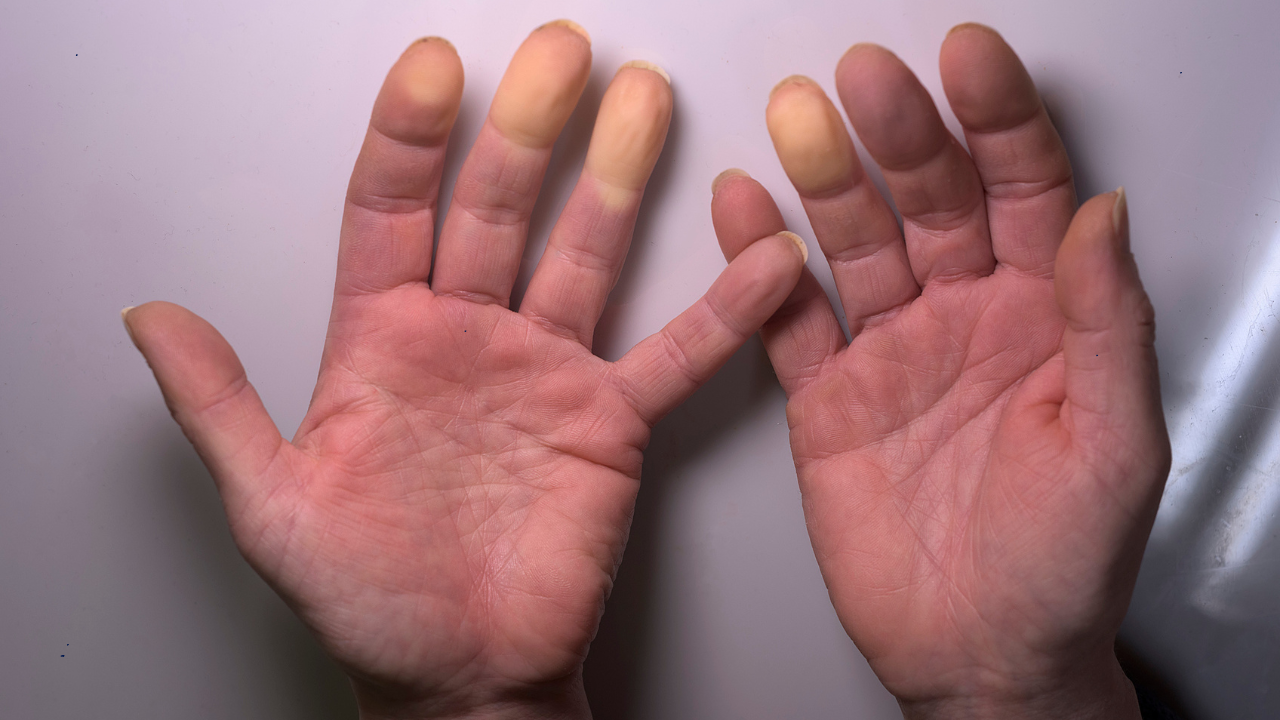
If you think that injections of botulinum toxin -- commonly known as Botox -- are only used to make skin wrinkle-free, you may be mistaken.A new study led by US researchers has shown that Botox injections can act as a “rescue therapy” to treat conditions such as finger ulcers, digital ischemia, and gangrene that are difficult to manage with standard therapies.Finger ulcers (or digital ulcers) are painful open sores, while acute digital ischemia causes the fingers to become extremely painful, cold, and sometimes pale or bluish in color. Gangrene is the dangerous death of body tissue (necrosis), often turning skin black, green, or purple.These debilitating complications, often associated with conditions like lupus, rheumatoid arthritis, systemic sclerosis, or bacterial infections, are caused by reduced blood flow to the fingers and heal poorly.Botox injections, which work by reducing blood vessel constriction and improving circulation, may help achieve complete healing of lesions in more than 85 percent of such patients, according to a study recently published in JAMA Dermatology.“These new findings are particularly important because therapeutic options remain limited for the cutaneous and vascular manifestations of systemic sclerosis and other autoimmune diseases,” said Dr. Netchiporouk, a scientist in the Infectious Diseases and Immunity in Global Health Program at the Research Institute of the McGill University Health Center.Netchiporouk noted that the available vasodilator and immunosuppressive treatments are generally administered intravenously. In contrast to Botox injections, these are also costly, minimally effective, and associated with significant adverse effects.Also read: Botox Helped Her Burp: How Injectables Changed A 25-Year-Old's LifeThe study also described the case of a 50-year-old man with a rare autoimmune disease that caused joint pain and digital necrosis (gangrene). While traditional medications helped reduce his pain, he was forced to stop working, and the condition severely impacted his quality of life.However, after receiving botulinum toxin injections, his pain was relieved, and sensation improved within 24 hours, and the necrosis began to improve within two weeks.“This treatment has become an important tool, especially for patients with autoimmune vascular diseases that result in serious health consequences and for which there are few therapeutic options,” Netchiporouk said.Also read: Why Regulatory Clarity Is Important for Safe Aesthetic Procedures in IndiaBotox: Safe, With Minimal Adverse EffectsThe study, based on a systematic review and individual patient data meta-analysis of 30 published studies and one unpublished case involving 119 patients, found that only a few patients experienced adverse effects.These were generally mild and short-lived, most commonly temporary muscle weakness or pain at the injection site.“Our results show that botulinum toxin can improve blood circulation in the fingers and treat serious complications such as ulcers or gangrene, offering a safe and easy-to-administer alternative,” said Dr. Catherine Zhu, a dermatology resident at the McGill University Health Center.Zhu added that the injections can be easily administered by rheumatologists and dermatologists in outpatient settings, reducing reliance on intravenous therapies that require hospitalization and increasing overall healthcare costs.Importantly, in most cases, a single injection session was sufficient to achieve the desired response.“Botulinum toxin can offer significant benefits with a favorable safety profile. It deserves further study to develop standardized protocols and optimize outcomes,” said Dr. Netchiporouk.