
- Health Conditions A-Z
- Health & Wellness
- Nutrition
- Fitness
- Health News
- Ayurveda
- Videos
- Medicine A-Z
- Parenting
Can Delhi's Toxic Air Harm Your Brain? Here's What AIIMS Doctor Says

Credits: iStock
Delhi’s air quality remained in ‘very poor’ category and a thick layer of fog also took over the city. As of 6am, the Air Quality Index or AQI stood at 385. On Monday, the AQI of the city stayed under the ‘severe’ category, and the overall 24-hour average was at 401. The India Meteorological Department (IMD) recorded that the general visibility of Delhi at 6.30am was 350 meters. The IMD also issued a fog alert for December 29 and the morning of December 30. Warning is also extended for neighboring states, including Haryana, Uttar Pradesh, Chandigarh, Punjab, and parts of Northeast, East, and North India.
The IMD on X wrote: “Dense to very dense fog is expected tonight and into the morning of 30th December across several regions including Haryana, Chandigarh & Delhi, Punjab, Uttar Pradesh, and parts of the Northeast, East, and North India. Visibility may be severely reduced, making travel risky. Please drive slowly, use fog lights, and avoid unnecessary journeys.”
Also Read: Is Delhi's Toxic Air Making You Sad And Grumpy? Here's What The Study Says
Pollution Could Harm Your Brain
While we all know the harm pollution could do to your lungs, doctors have also highlighted that pollution could also lead to cognitive ailments. Mental health impacts such as risk of depression, anxiety, ADHD, and neurodevelopmental disorders in children could rise.
Dr Deepika Dahima, a psychologist at AIIMS Delhi said that pollution could put mental health at risk. Prolonged exposure to fine particulate matter like PM10 or PM2.5 could lead to a rise in anxiety, depression, cognitive impairment and chronic stress. Children also show disrupted neural development and learning difficulties, while adults experience irritability, emotional fatigue and impaired decision-making.
Another medical practitioner, Dr Jitender Nagpal, deputy medical superintendent and pediatrician at Sitaram Bhartia Institute of Science, speaking to the news agency PTI said, “Increasingly, a wide spectrum of behavioural and learning issues such as attention difficulties, irritability, and poor academic performance are being noticed in many children.”
Studies too have linked the exposure of particulate matter or PM2.5 with increased ADHD risk. There are research that show a 1.51 fold increase per 5 μg/m³ increase in PM2.5 and others indicating elevated risks when exposure exceeds 16 μg/m³.
Another study published in December 18, in the journal Environmental Research by Oregon Health & Science University, found that everyday exposure to urban air pollution gradually alters brain development in children and young adults. The researchers of the Oregon Health & Science University discovered that exposure to air pollutants at ages 9 to 10 was associated with changes in cortical thickness in the frontal and temporal brain regions that are responsible for executive function, language, mood regulation, and socioemotional processing.
Another study published in Nature Communication notes that after four hours of exposure to particulate matter, it was found that people's ability to perform routine tasks and interpret emotions were highly impacted.
Study's co-author, Dr Thomas Faherty said, "Study provides compelling evidence that even short-term exposure to particulate matter can have immediate negative effects on brain functions essential for daily activities.”
Could Winter Be Worsening Your Menopause Symptoms? Doctors Explain

Credits: Canva
Winters can be especially demanding for many women going through menopause or perimenopause. As the colder months arrive, concerns like dry, irritated skin, unexpected hair fall, and increased joint pain become more common. This rise in symptoms is not caused by cold weather alone. It is largely driven by the way seasonal changes interact with the hormonal transitions of menopause. To understand this better, we spoke to Tamanna Singh, Co-founder of Menoveda and a Certified Menopause Coach, who explained why these changes happen.
What Is Menopause?
Menopause is a natural biological phase when a woman’s menstrual cycles stop permanently, signalling the end of her reproductive years. It is officially diagnosed after 12 consecutive months without a period and usually occurs between the ages of 45 and 55, as the ovaries gradually reduce estrogen production.
The phase leading up to this, called perimenopause, involves fluctuating hormones that can trigger symptoms such as hot flashes, mood changes, and sleep disturbances. Postmenopause refers to the stage after menopause, according to the Mayo Clinic.
How Long Does Menopause Last?
Menopause itself is a single milestone rather than a prolonged phase. Once a woman has gone a full year without a menstrual period, she is considered menopausal. After this point, she enters postmenopause, which continues for the rest of her life.
Menopausal Symptoms Worsening During Winters
One of the key changes during menopause is the steady decline in estrogen levels. Estrogen supports skin moisture, collagen formation, healthy hair growth cycles, and joint lubrication. As this hormone decreases, the body becomes more reactive to environmental factors, with winter dryness having a stronger impact.
Menopause In Winters: Why Skin Feels Drier in January
Tamanna Singh explains, “Cold air contains less moisture, and indoor heating further removes the skin’s natural oils. Lower estrogen levels weaken the skin’s protective barrier, increasing water loss. This leads to dryness, flaking, itching, and in some cases, eczema-like conditions. The skin also takes longer to repair itself, which makes winter-related irritation more difficult to manage.”
The Hair Fall Connection
Hair follicles respond closely to hormonal changes. Tamanna notes, “During menopause, shifting estrogen levels and increased androgen activity shorten the hair’s growth phase, leading to more shedding. Winter adds further stress through reduced blood flow to the scalp, dietary imbalances after festive eating, and low Vitamin D levels due to limited sunlight. Combined, these factors make January a common time for noticeable hair thinning and hair fall.”
Why Joint Pain Worsens During Menopause?
Estrogen also plays a role in reducing inflammation and keeping joints well-lubricated. As estrogen levels fall, women may experience stiffness, swelling, and discomfort, which tend to worsen in cold weather. Lower temperatures cause muscles and connective tissues to tighten, reducing flexibility. Staying less active during winter months further adds to joint stiffness and pain.
What Can Help?
Managing these concerns calls for a well-rounded approach. Tamanna recommends:
- Skin: Use rich, oil-based moisturisers regularly and maintain good hydration.
- Hair: Ensure sufficient intake of protein, iron, and biotin, and practice gentle scalp massage to improve blood circulation.
- Joints: Engage in light strength training, yoga, and regular movement to support flexibility. Adequate Vitamin D and calcium intake is especially important during winter.
Winter does not create menopausal symptoms. It simply intensifies what the body is already dealing with. With the right awareness, consistent care, and small seasonal adjustments, women can navigate the colder months with more ease and confidence.
Can Alzheimer's Disease Be Fully Reversed? Here's What The New Study Says
Credits: iStock
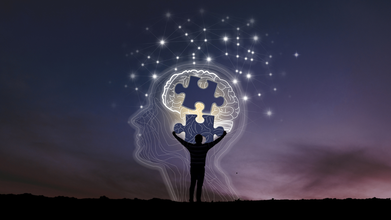
Can Alzheimer's be completely reversed? This is not just about preventing it or ensuring it that the disease slow down, but can it be reversed to achieve full neurological recovery? For the longest, we have known that Alzheimer's is a progressive, degenerative brain disease, which destroys memory, thinking, and eventually the ability to perform simple tasks, but now a team of researchers from Case Western Reserve University, University Hospitals (UH), and Louis Stokes Cleveland VA Medical Center has challenged this belief. They may have found out something that could reverse it, at least so says the animal model.
Instead of targeting plaques or tangles alone, the team looked at something more fundamental: the brain’s energy system.
Their findings, published in Cell Reports Medicine, suggest that restoring the brain’s energy balance may not just slow Alzheimer’s but potentially reverse key features of the disease, at least in animal models.
What Did The Study Find?
The study is led by Kalyani Chaubey from the Pieper Laboratory, and at the center of the study is NAD+, a molecule essential for cellular energy and repair.
NAD+ levels naturally decline with age across the body, including in the brain. When levels drop too low, cells struggle to perform basic functions and eventually fail.
The researchers found that this decline is far more severe in the brains of people with Alzheimer’s. The same sharp drop was also seen in mouse models of the disease, pointing to a shared biological problem.
How the study was conducted
While Alzheimer’s is uniquely human, scientists use specially engineered mice to study it. In this study, two types of mice were used. One model carried human mutations linked to amyloid buildup, while the other carried a mutation affecting the tau protein.
Both amyloid and tau are central to Alzheimer’s pathology. Over time, these mice developed symptoms similar to human Alzheimer’s, including brain inflammation, damage to nerve fibers, breakdown of the blood-brain barrier, reduced formation of new neurons, and severe memory and learning problems.
Restoring energy balance in diseased brains
After confirming that NAD+ levels were dramatically reduced, the researchers tested whether restoring this balance could help. They used a drug called P7C3-A20, developed in the Pieper Laboratory, which supports cells in maintaining healthy NAD+ levels under stress.
Remarkably, the results went beyond prevention. Even when treatment began after significant disease progression, the mice showed reversal of major brain damage. Cognitive function fully recovered in both mouse models, despite their different genetic causes.
Biomarkers and what they signal
The recovery was not just behavioral. Blood levels of phosphorylated tau 217, a biomarker now used clinically in humans to detect Alzheimer’s, returned to normal in treated mice. This provided objective evidence that disease processes had been reversed, not merely masked.
Why this matters for people
The findings suggest a possible paradigm shift. Alzheimer’s damage may not always be permanent. Under certain conditions, the brain appears capable of repairing itself and regaining function.
However, the researchers caution against self-medicating with over-the-counter NAD+ supplements. Some have been shown in animal studies to raise NAD+ to unsafe levels that may increase cancer risk. The drug used in this study works differently, supporting balance rather than excess.
What Is Type 5 Diabetes? All You Need To Know About The Newly Identified Condition

Credits: Canva
A newly recognised form of diabetes is reshaping how scientists and doctors view the condition, particularly in countries like India. In 2025, global health authorities officially acknowledged Type 5 diabetes as a separate and distinct form of the disease.
This recognition ended decades of confusion around a type of diabetes that did not fit neatly into the existing categories of Type 1 or Type 2 diabetes. The formal classification, backed by the International Diabetes Federation and supported by research published in The Lancet Global Health, is expected to transform diagnosis, treatment, and long-term care for millions of people worldwide.
But what exactly is Type 5 diabetes, and how does it differ from the types of diabetes that are more widely known?
What Is Type 5 Diabetes?
Type 5 diabetes is now recognised as a distinct form of the disease caused primarily by severe, long-term malnutrition, often experienced during childhood. This undernutrition can lead to profound insulin deficiency and an underdeveloped pancreas, resulting in significantly reduced insulin production.
Unlike Type 1 diabetes, which is autoimmune, or Type 2 diabetes, which is linked to insulin resistance, Type 5 diabetes arises from nutritional deficiencies that impair the pancreas’s ability to function properly.
It most commonly affects lean young adults in low-income regions. For years, people with this condition were misdiagnosed as having Type 1 diabetes or an unusual form of Type 2, often leading to inappropriate treatments that failed to address the root cause.
Type 5 Diabetes Symptoms
Symptoms of type 5 diabetes can resemble those seen in other forms of diabetes, such as excessive thirst, frequent urination, persistent tiredness, unexplained weight loss, blurred vision, and slow-healing wounds. However, they are often paired with indications of malnutrition, including a lean physique, delayed growth or puberty in young people, anemia, and recurring infections.
These arise from nutritional deficiencies during early life rather than solely from insulin resistance or autoimmune causes, and they usually present before the age of 30, according to the International Diabetes Federation.
Type 5 Diabetes: Scientists Demand Recognition
Researchers have been studying this condition for decades, particularly in parts of Asia and Africa. Yet, without official recognition, the disease remained poorly understood, and patients were rarely diagnosed correctly. Experts argued that grouping these patients under existing categories obscured the true cause of their illness.
The 2025 classification now formally separates Type 5 diabetes from other types, making it easier to study, identify, and manage. In India, where diabetes prevalence is already high, this recognition is particularly relevant. Tens of millions of people live with diabetes in the country, many of whom remain undiagnosed. Type 5 diabetes highlights a different pattern: it develops not from excess calories, but from too little nutrition during childhood, creating a double burden in regions where obesity and undernutrition coexist.
Implications for Diagnosis and Care
Although there is no new treatment specifically for Type 5 diabetes yet, official recognition marks a major step forward. Doctors can now approach lean patients with a history of malnutrition more carefully, avoiding a “one-size-fits-all” approach. Clearer classification could lead to better guidelines, more personalised care, fewer complications, and improved long-term outcomes.
Experts believe that understanding the role of childhood undernutrition in diabetes could eventually reshape how we prevent, monitor, and manage the condition—something countries like India urgently need as diabetes numbers continue to rise.
- Follow Us :


© 2024 Bennett, Coleman & Company Limited