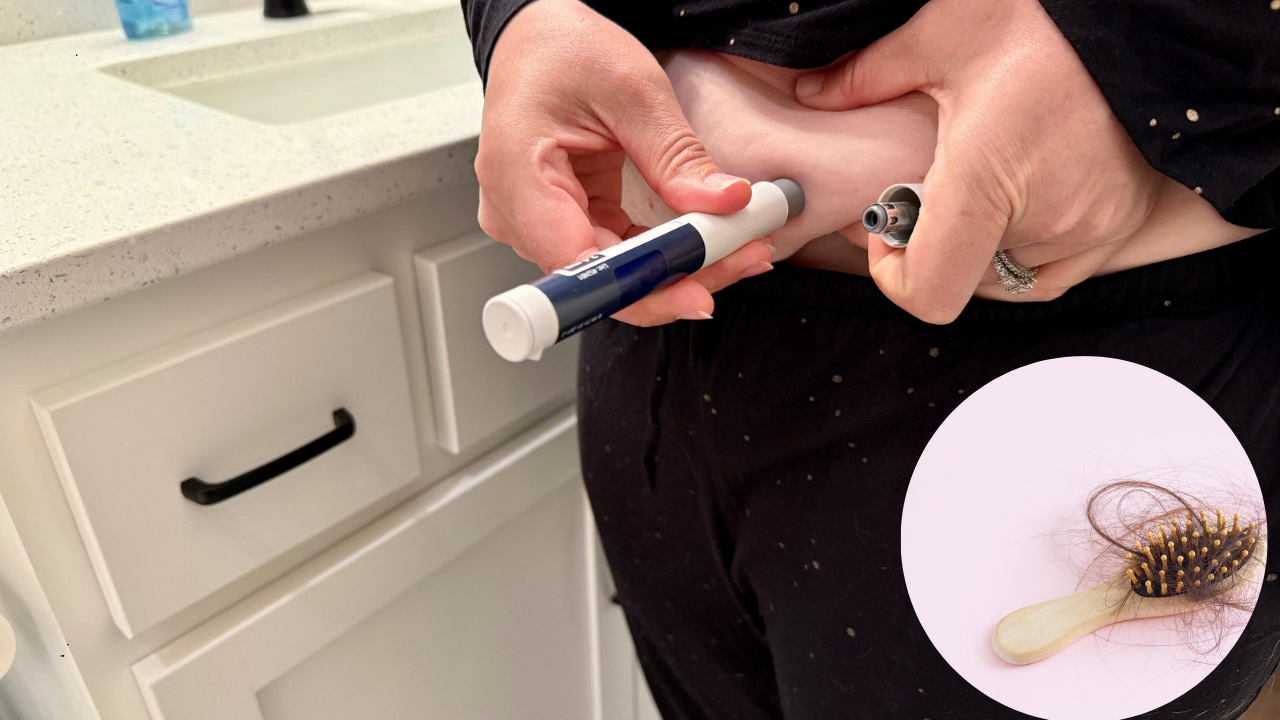
Glucagon-like peptide-1 (GLP-1) receptor agonists, such as Ozempic and Mounjaro, are best known for treating type 2 diabetes and obesity. However, a new study published in The BMJ suggests that people with diabetes using these blockbuster drugs may have an increased risk of hair loss (alopecia).While the absolute risk is low, researchers from the University of Pennsylvania and the University of Southern California identified alopecia as a possible side effect of GLP-1 receptor agonists, particularly semaglutide and tirzepatide.“GLP-1 receptor agonist use was associated with a higher risk of clinically recorded alopecia, particularly non-scarring alopecia, in patients with type 2 diabetes, compared with SGLT-2 and DPP-4 inhibitors,” the researchers wrote.Non-scarring alopecia is a type of hair loss in which the hair follicles remain intact, making hair regrowth possible.The researchers said the findings could help inform shared decision-making when considering GLP-1 receptor agonist therapy and highlight the need for further research into dermatological outcomes.What Did The Study Find?Researchers analyzed health data from 12,004 patients using GLP-1 receptor agonists and compared them with 15,221 patients using SGLT-2 inhibitors between January 2019 and September 2024. They also compared another 11,964 GLP-1 receptor agonist users with 11,233 DPP-4 inhibitor users.The study found that adults using GLP-1 receptor agonists had:A 37% higher risk of alopecia than SGLT-2 inhibitor users (6.91 vs. 5.04 per 1,000 person-years).A 68% higher risk of alopecia than DPP-4 inhibitor users (6.53 vs. 3.89 per 1,000 person-years).Further analyses showed the association was specific to non-scarring alopecia, with a 53% higher risk compared with SGLT-2 inhibitors and a 72% higher risk compared with DPP-4 inhibitors.Why GLP-1 Drugs Are Linked to Hair Loss?The researchers noted that rapid weight loss is a well-established trigger of hair shedding and may also lead to iron or zinc deficiencies, disrupting the hair growth cycle.They added that hormonal changes may also play a role, although further studies are needed to understand the underlying mechanisms.What Are the Study's Limitations?The researchers acknowledged that they could not assess the severity, extent, duration, or reversibility of alopecia after treatment was stopped because of limited clinical information. They also could not rule out the influence of other unmeasured factors.However, they said the study was based on high-quality data from a large, representative cohort, and the findings remained consistent across additional analyses.“Our findings extend previous anecdotal safety signals and provide more systematic evidence to inform clinical awareness of this potential adverse effect,” the researchers concluded.What To Do If You're Losing Hair on Ozempic, Mounjaro?If you're experiencing excessive hair shedding while taking semaglutide, you may consider:Discussing with your physician whether your dosage should be adjusted or whether nutritional supplements may help.Increasing your protein intake to at least 100 grams per day.Taking hair-supporting nutrients such as biotin, vitamin D, iron, and zinc.Using topical treatments such as minoxidil to support hair regrowth.Avoiding severe calorie restriction and maintaining a nutritionally balanced diet.