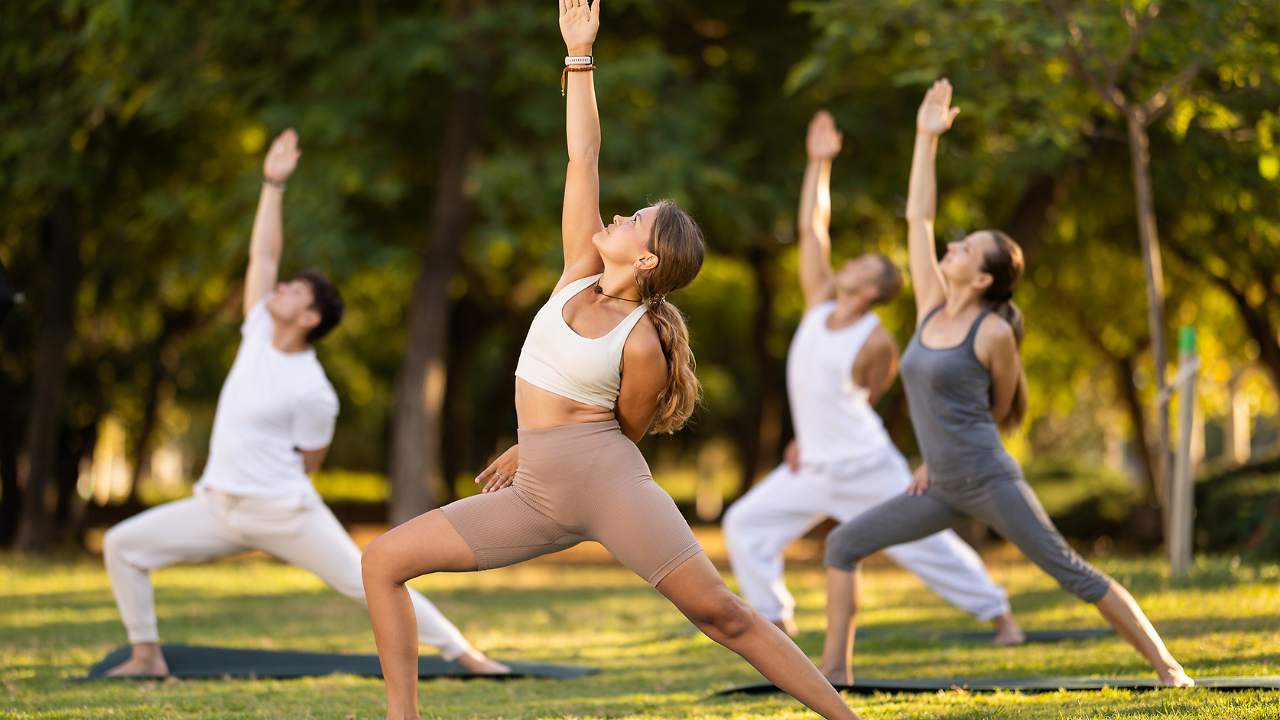
Diabetes management is often viewed primarily through the lens of blood glucose levels and medication. However, living well with diabetes requires much more than controlling numbers. It involves improving physical fitness, emotional well-being, sleep, dietary habits and overall quality of life. This is where an integrative approach combining conventional medical treatment, Yoga, Ayurveda and individualised lifestyle modifications can play a valuable supportive role. Yoga offers a practical mind-body approach to diabetes care. Regular practice of suitable asanas, pranayama, relaxation and meditation improves physical activity, insulin sensitivity, stress regulation and psychological well-being. Stress can influence glucose regulation through neuroendocrine pathways, making stress management an important component of diabetes care. A 2025 systematic review and meta-analysis published in the Journal of Diabetes & Metabolic Disorders, involving 14 randomised controlled trials, reported improvements in HbA1c and fasting and postprandial glucose following three months of yoga practice. Ayurveda contributes through its emphasis on Ahara, Vihara (lifestyle) and individualised care. Rather than following a uniform dietary prescription, food choices should consider nutritional requirements, body constitution, activity levels and metabolic health. Emphasising fibre-rich vegetables, whole grains, pulses, appropriate portions and regular meal patterns, while limiting refined carbohydrates and ultra-processed foods, can support glycaemic control. Selected Ayurvedic formulations may be considered under qualified medical supervision, with careful attention to their evidence, quality, safety and possible interactions with antidiabetic medicines. Current Cochrane evidence suggests that the available clinical trials are insufficient to establish their effectiveness conclusively. The importance of personalised lifestyle modification is reflected in my own clinical experiences. My mother, diagnosed with diabetes in November 2025 with an HbA1c of 11.3%, adopted tailored modified dietary habits, regular physical activity and asana and pranayama practices, alongside selected Ayurvedic support. By April 2026, her HbA1c had reduced to 7.1%, with improvements in healthy weight and reduction in generalized debility. Similarly, my aunt, initially taking two conventional antidiabetic medicines with an HbA1c of 9.5%, achieved an HbA1c of 6% over four months following tailored lifestyle, dietary and yogic interventions alongside her initial medical treatment. Her subsequent medication reduction and withdrawal were individual treatment decisions, not a recommendation for others to follow. My own experience of remaining free from allopathic medication since October 2020 has further strengthened my interest in holistic health, although personal experience should never be mistaken for clinical evidence. Ultimately, successful diabetes care should focus not only on HbA1c but also on energy, mobility, sleep, emotional resilience and the ability to participate meaningfully in everyday life. Regular blood glucose monitoring, periodic HbA1c and other required parameter assessments and medical follow-up remain essential. Prescribed medicines, including insulin, must never be reduced or discontinued independently, even when glucose levels improve. The goal of integrative care is not to replace one treatment with another, but to bring together the strengths of evidence-based medicine, Yoga, Ayurveda and sustainable lifestyle practices. Better diabetes care begins when we treat the person, not merely the disease. (Dr Babariya Prince R, Assistant Professor, Dept. of Swasthavritta & Yoga, SDM College of Ayurveda and Hospital, Karnataka)