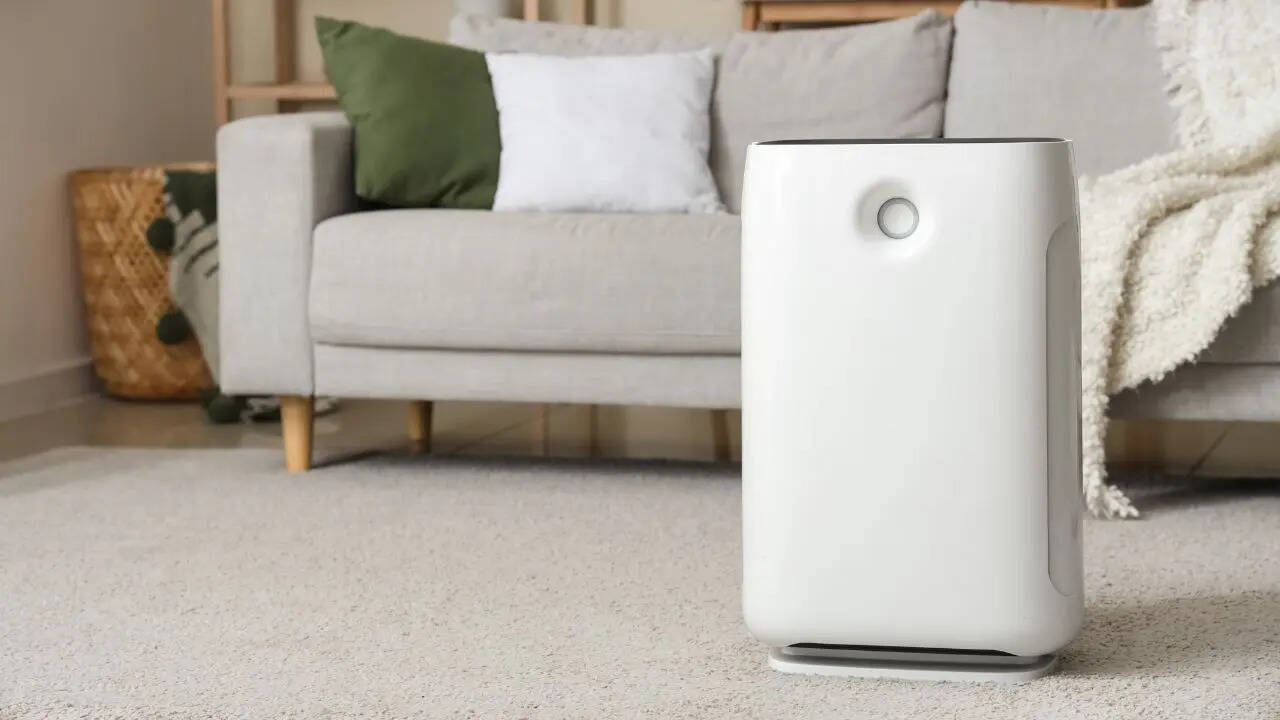
Delhi residents continue to struggle with deteriorating air quality, which is taking a visible toll on overall health. The Air Quality Index (AQI) across Delhi NCR crossed 400 on December 15, 2025, placing it firmly in the ‘hazardous’ category. With breathing outdoor air becoming increasingly difficult, many people are turning to air purifiers for relief, both at home and in offices. Yet a common concern persists. Are air purifiers truly safe, or do they come with hidden drawbacks? And can excessive use cause problems of its own? We got in touch with Dr Aditya Nag, Assistant Professor, Department of Respiratory Medicine, NIIMS Medical College and Hospital, to know more about the same.What Is An Air Purifier?An air purifier, often referred to as an air filtration system, is designed to clean indoor air by filtering out harmful particles and pollutants. It works by pulling in air from the room, passing it through layers of filters, and releasing cleaner air back into the space. These devices are widely used in homes and offices to create a healthier and more breathable environment.Also Read: Highly Contagious And Hard To Kill Winter Vomiting Disease Is Spreading In The US, Here's How To Avoid ItDr Aditya Nag said, “Air purifiers are particularly helpful in removing dust, pollen, pet hair, mould spores, and other microscopic particles that can trigger allergies or worsen respiratory conditions. Their internal filters trap these pollutants, helping improve indoor air quality. In simple terms, they aim to make the air inside cleaner, safer, and easier to breathe.”Are Air Purifiers Safe To Use?Air purifiers rely on fans to draw air through one or more filters that capture pollutants before circulating cleaner air back into the room. They come in many forms, from portable units that can be shifted between rooms to wall-mounted models. There are also compact desktop versions and even wearable purifiers available today.According to our health expert, air purifiers are generally safe and effective at improving indoor air quality, provided the right type is chosen and maintained properly. Models that use True HEPA filters and do not produce ozone are considered the safest. However, ozone-generating purifiers, certain UV-C devices without adequate shielding, and units with poorly maintained filters can release harmful by-products. These secondary pollutants may irritate the lungs and airways. This is why it is important to check safety certifications, replace filters on time, and avoid technologies known to emit ozone.Overusing Air Purifiers Is Bad For Lungs?Our expert points out that running an air purifier nonstop on high settings in tightly sealed rooms can reduce indoor humidity levels significantly. This drop in moisture can be uncomfortable for the respiratory system. “While clean air is important, the lungs function best when the air also has enough moisture,” he explains.Very dry indoor air can irritate the nose, throat, and airways, leading to symptoms such as dryness, scratchy throat, persistent dry cough, burning eyes, and even frequent nosebleeds, especially in the morning.Dr Nag stresses that air purifiers remain extremely useful, particularly for children, older adults, and people with asthma or allergies. The key is balanced use. He advises switching to auto mode instead of running turbo mode all the time, avoiding completely sealed rooms, and maintaining indoor humidity between 40 and 60 percent. This can be done with a humidifier or simple home measures.Is It Safe to Sleep Near an Air Purifier?Many people place air purifiers in their bedrooms, often close to the bed, which raises questions about safety during sleep. According to our expert, sleeping near an air purifier is generally safe and can even be beneficial, as long as basic precautions are followed.Most modern air purifiers, especially those equipped with HEPA filters, are built for continuous use and operate quietly enough for bedrooms. By reducing allergens and airborne particles overnight, they may help improve sleep quality, particularly for people with allergies or breathing issues.What To Look For In An Air Purifier?When choosing an air purifier, it is important to look for models with True HEPA (H13 or H14) filters and activated carbon layers for effective removal of particles and odours. Check whether the purifier is suitable for your room size by reviewing its CADR, or Clean Air Delivery Rate. Noise levels are another key factor, especially if the device will be used in a bedroom.It is also wise to consider the cost and frequency of filter replacement. Be cautious of purifiers that rely on ozone-producing ionisers or certain UV features. A reliable air purifier should offer multi-stage filtration, cover the intended space efficiently, and operate quietly without compromising safety.