
- Health Conditions A-Z
- Health & Wellness
- Nutrition
- Fitness
- Health News
- Ayurveda
- Videos
- Medicine A-Z
- Parenting
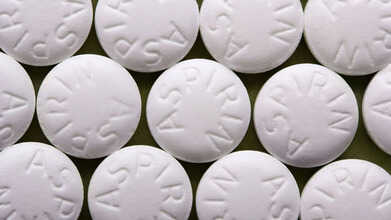
Cardiologist Says Taking Aspirin Every Day Long Term Can Be Dangerous
Credits: Canva
Anyone who takes aspirin daily is being warned that the medication can cause serious side effects, and for many people, the risks may outweigh the benefits. First developed in the 1890s and commonly sold as an over-the-counter painkiller, aspirin was prescribed for years as a preventive treatment for heart disease.
Taking Aspirin Every Day Long Term Can Be Dangerous
According to MailOnline, more than two million people in the UK take aspirin every day to protect their heart. The drug works as a blood thinner, helping to reduce the risk of heart attacks and strokes. However, newer research suggests that aspirin offers little benefit for people who do not already have heart or circulation-related conditions.
More serious side effects that require immediate medical attention include coughing up blood, blood in the stool or urine, yellowing of the skin or eyes which may signal liver problems, painful joints linked to high uric acid levels, and swelling of the hands or feet caused by fluid retention.
Aspirin can also lead to stomach ulcers, and some people may develop allergic reactions. The Mail reports that during the early 2000s, when aspirin use was at its peak, the drug may have contributed to around 7,000 deaths a year in the UK. There are also concerns that it could increase the risk of bleeding in the brain.
In 2021, official guidelines were updated to say that people should only take daily aspirin if advised by a doctor. In 2023, GPs were instructed not to routinely prescribe aspirin to patients who have never had a heart attack.
Aspirin: NHS Recommendations
The NHS still recommends daily aspirin for people who have previously had a heart attack or stroke. Anyone who has been advised by a doctor to take aspirin should not stop without seeking medical guidance.
A 2019 study by the UK’s National Heart and Lung Institute found that daily aspirin provides only limited benefit for people without underlying heart disease, while significantly increasing the risk of serious internal bleeding.
Professor Malcolm Finlay, a consultant cardiologist at Barts Heart Centre in central London, told the Mail: “For patients who have suffered a heart attack or stroke, there is still a strong case for taking daily aspirin. But for everyone else, the benefit is very small.”
He added that aspirin’s side effects should not be underestimated. “You could have a bleed in the stomach, which can cause several days of severe pain. If bleeding occurs in the brain, it can be life-threatening,” he said.
Professor Finlay also revealed that he personally experienced a major stomach bleed while taking aspirin for a back injury.
Doctors who prescribe aspirin often also prescribe medications such as omeprazole or lansoprazole to help protect the stomach. However, Prof Finlay warned that these drugs should not be used long term either. He said this is why the NHS no longer recommends routine aspirin use, adding that there are now better cardiovascular treatments available that do not carry the same risks.
Aspirin Common Side Effects
These affect more than one in 100 people. The NHS advises taking aspirin with food to help reduce stomach-related issues.
- Indigestion and stomach pain: This is the most common complaint.
- Bleeding more easily: People may notice more frequent nosebleeds, bruising, or cuts that take longer to stop bleeding.
- Nausea or vomiting: Feeling sick or being sick after taking aspirin.
Aspirin Serious Side Effects
Although rare, these symptoms require medical attention. Contact a doctor or call 111 immediately if you experience:- Signs of internal bleeding: Coughing up blood or noticing blood in urine, vomit, or stools, which may appear black or tar-like.
- Liver problems: Yellowing of the skin or the whites of the eyes.
- Joint pain: Especially in the hands or feet, which may indicate high uric acid levels and possible gout.
- Swollen hands or feet: This may be a sign of fluid retention.
Immediate Emergency Symptoms
Call 999 or go to A&E immediately if you experience:
- Anaphylaxis (severe allergic reaction): Swelling of the lips, mouth, throat, or tongue, difficulty breathing, or a widespread itchy or blistering rash.
- Severe wheezing: Particularly in people with asthma, as aspirin can trigger serious attacks.
NHS Important Safety Warning
Under 16s: The NHS strongly advises against giving aspirin to children under 16 unless prescribed by a doctor, due to the risk of Reye’s syndrome, a rare but life-threatening condition that causes severe liver and brain damage.
Vitamin D Overdose Sends Man To Hospital In UK, Doctors Warn
Credits: AI Generated
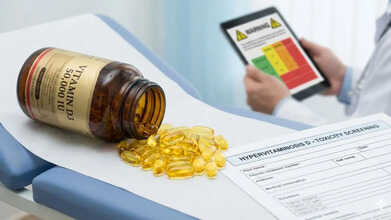
People can end up in hospital if they take too much vitamin D, doctors have warned. Health experts say excessive intake can be harmful, with cases of hypervitaminosis D rising and linked to a range of serious health problems. Women, children, and people with existing illnesses are considered more vulnerable to the condition.
Doctors Warn Vitamin D Overdose Can Lead To Hospitalisation
The warning follows the case of a middle-aged man in the UK who was admitted to hospital after first visiting his family doctor. He complained of persistent vomiting, nausea, chest pain, leg cramps, ringing in his ears, dry mouth, intense thirst, diarrhoea, and unexplained weight loss.
His symptoms had lasted for nearly three months and began after he started seeing a nutritional therapist who recommended multiple vitamin and dietary supplements.
The patient already had several underlying health conditions, including tuberculosis, an inner ear tumour that had caused hearing loss in one ear, a build-up of fluid in the brain, bacterial meningitis, and chronic sinusitis.
What Is Hypervitaminosis D?
Vitamin D toxicity, also known as hypervitaminosis D, occurs when vitamin D levels build up excessively in the body. It is uncommon and usually results from taking doses that exceed medical advice, either through high-strength prescription vitamin D or excessive use of over-the-counter supplements taken without guidance.
Daily Intake Exceeded Recommended Vitamin D Levels
Doctors found that he had been taking more than 20 over-the-counter supplements every day. Together, they contained more than 80 times the recommended daily amount of vitamin D. He was consuming around 50,000 micrograms daily, despite the advised dose being just 600 micrograms. The mix of supplements also included excessive vitamin B9 and omega-3, alongside other vitamins, minerals, nutrients, and probiotics.
Although he stopped taking the supplements once symptoms appeared, his condition did not improve. Blood tests later showed his vitamin D levels were seven times higher than what is considered healthy. He also had dangerously high calcium levels and slightly raised magnesium levels.
Doctors found that his kidneys were not functioning properly, though scans ruled out cancer.
Patient Treated In Hospital For Eight Days With Fluids And Medication
The man remained in hospital for eight days, where he was treated with intravenous fluids to flush excess substances from his body. He was also given medications typically used to strengthen bones and reduce calcium levels in the blood.
Two months after leaving hospital, his calcium levels had returned to normal, but his vitamin D levels were still above the healthy range. NHS advises sticking to recommended vitamin D doses, especially in winter
Vitamin D can be obtained naturally from sunlight, oily fish, and wild mushrooms. The NHS advises people to follow recommended doses, particularly during autumn and winter when sunlight exposure is limited. It recommends that everyone over the age of one consider taking a daily supplement of 10 micrograms, or 400 IU, from October to March.
Hypervitaminosis D Is Rising Globally
Researchers involved in the case said there is a growing global trend of hypervitaminosis D, a condition marked by unusually high vitamin D levels in the blood. Symptoms can last for several weeks.
The researchers noted that symptoms vary widely and can include drowsiness, confusion, apathy, psychosis, depression, stupor, coma, loss of appetite, chest pain, vomiting, constipation, stomach ulcers, pancreatitis, high blood pressure, irregular heart rhythms, and kidney problems. Inflammatory eye disease, joint stiffness, hearing loss, and deafness have also been reported.
While the condition remains relatively rare, experts stress that it is possible to overdose on vitamin D. They warned that supplements often seen as harmless can become toxic when taken in unsafe amounts or combined improperly. The findings were published in the journal BMJ Case Reports.
Nipah Virus Outbreak India: How Contagious Is It And Who Is Most At Risk?

Credits: Canva
Indian health authorities are moving quickly to control a Nipah virus outbreak after five confirmed cases and the quarantine of nearly 100 people in West Bengal. Officials said three fresh infections were detected earlier this week, adding to two earlier cases involving a male and a female nurse. Both nurses were employed at a private hospital in Barasat, close to Kolkata. According to Press Trust of India, the newly confirmed patients include a doctor, a nurse, and another healthcare worker.
Nipah Virus Outbreak India: What Is Nipah Virus?
Nipah virus (NiV) is a zoonotic infection, meaning it can spread from animals to humans. Fruit bats, also known as flying foxes, are the primary carriers, but the virus can also be transmitted through pigs and other animals such as goats, horses, dogs, or cats. According to the Cleveland Clinic, infection can occur when:
- People or animals come into contact with bodily fluids like blood, urine, stool, or saliva from an infected animal.
- People consume food items contaminated by infected animals.
- People have close contact with someone infected with Nipah virus, most often while providing care.
The most effective way to reduce the risk of Nipah virus is to avoid contact with sick animals, particularly bats and pigs, in regions where outbreaks have been reported. It is also advised to stay away from foods that animals could contaminate, such as raw date palm sap or partially eaten fruit. Since Nipah can spread between people through bodily fluids, caution is essential when interacting with infected individuals.
Nipah virus can lead to symptoms ranging from mild illness to severe disease, including encephalitis, which can be fatal. At present, there is no specific drug or vaccine available, and treatment focuses on managing symptoms and providing supportive care.
Preventing Nipah virus relies on strict infection control practices, including the use of protective gear, proper surface disinfection, and avoiding areas or animals linked to known outbreaks.
Nipah Virus Outbreak India: Where Is Nipah Virus Found?
Nipah virus outbreaks are reported almost every year in parts of Asia, mainly in Bangladesh and India. The virus was first identified in 1999 during an outbreak in Malaysia and Singapore that caused around 100 deaths. To stop the spread, more than one million pigs were culled, resulting in significant economic losses. Since then, roughly 20 outbreaks have been recorded.People traveling to countries prone to Nipah outbreaks, such as Bangladesh, Malaysia, Singapore, or India, are advised to take extra precautions. Other regions, including Cambodia, Indonesia, Madagascar, the Philippines, and Thailand, may also be at risk because the bat species responsible for spreading the virus are present there.
Nipah Virus Symptoms and Causes
Early signs of Nipah virus infection may include:
- Fever
- Headache
- Difficulty breathing
- Cough and sore throat
- Diarrhea
- Vomiting
- Muscle aches and extreme weakness
Symptoms usually appear within four to 14 days after exposure. Many people first experience fever or headache, followed by breathing problems such as cough or shortness of breath.
In more serious cases, the infection can progress to encephalitis, a dangerous brain inflammation. Severe symptoms may include:
- Confusion or altered mental state
- Slurred speech
- Seizures
- Coma
- Severe breathing distress
Experts do not fully understand why some people develop serious illness while others experience mild or no symptoms at all.
Nipah Virus: How Contagious Is It?
Nipah virus is infectious and can spread from animals like bats and pigs to humans through bodily fluids or contaminated food. It can also pass between people through close contact, especially in caregiving settings. While it can spread via respiratory droplets in enclosed spaces, it is not considered highly airborne and usually requires close, prolonged contact for transmission. Common routes include direct exposure to infected animals or their fluids, consuming contaminated fruits or date palm sap, and contact with bodily fluids such as saliva, urine, or blood from an infected person.
Nipah Virus Outbreak India: Who Is Most At Risk?
People most at risk of Nipah virus are those who are more likely to come into close contact with infected animals or patients. This includes:
- Healthcare workers caring for Nipah patients, especially without proper protective equipment
- Family members and caregivers who have close physical contact with infected individuals
- People living near bat habitats, particularly fruit bat roosting areas
- Those who consume contaminated food, such as raw date palm sap or fruits partially eaten by bats
- Farmers, animal handlers, and slaughterhouse workers who work with pigs or other animals that can carry the virus
- Residents of outbreak-prone regions in India and Bangladesh, where Nipah cases recur
- People with weak immunity, who may develop more severe illness after infection
- Close, prolonged contact is the biggest risk factor. Casual contact in public spaces is far less likely to spread the virus.
Ammonia Surge Triggers Delhi Water Crisis: How To Detect Contamination And Stay Safe

Credits: AI Generated
High ammonia levels in the Yamuna, along with reduced water supply from Haryana via the Munak Canal, have triggered a water shortage across several parts of Delhi. Seven out of the city’s nine water treatment plants have been impacted. Delhi’s largest facility at Wazirabad, which normally supplies around 140 MGD (million gallons per day), has been shut down entirely. Meanwhile, the Chandrawal plant is operating at only half its capacity and is supplying close to 100 MGD to the capital.
Delhi Water Crisis
Localities facing disruptions include IGI Airport, Dwarka, Shalimar Bagh, Sultanpuri, Raja Garden, Rajouri Garden, Karala, Bawana, Prashant Vihar, Madhu Vihar, Mangolpuri, Paschim Vihar, Mayapuri, Janakpuri, and nearby areas. In a statement, the Delhi Jal Board (DJB) said, “To make up for the diversion, Haryana is supplying water to DJB. Residents are advised to use water carefully during this period.” Officials have indicated that the water crisis could persist until February 4, 2026.
What Happens When Water Has High Ammonia Content?
Elevated ammonia levels in drinking water can pose serious health concerns, especially when concentrations cross safe limits such as 0.5 ppm (parts per million). Here’s how excess ammonia can affect the body.
1. Respiratory Issues
Ammonia can irritate the airways, leading to symptoms like coughing, a runny nose, chest discomfort, and difficulty breathing if consumed or inhaled from contaminated water. People with asthma or existing lung conditions may experience aggravated bronchitis or face a higher risk of pneumonia.
2. Neurological Effects
Ammonia acts as a neurotoxin and can enter the bloodstream, interfering with normal brain function. This may result in headaches, dizziness, confusion, or trouble concentrating. In cases of heavy exposure, it can cause nausea, vomiting, or poisoning accompanied by breathing distress.
3. Organ Damage
Long-term exposure to ammonia can strain the kidneys by increasing their workload, which may eventually impair function. It can also raise nitrite and nitrate levels in the body, increasing the risk of vascular problems, and has been linked to reproductive concerns such as infertility or low birth weight.
4. Skin and Eye Irritation
Direct contact with water containing high ammonia can irritate the skin, eyes, and mucous membranes, sometimes causing rashes or conjunctivitis. Children, pregnant women, and older adults are especially vulnerable and should be extra cautious.
How To Check For Ammonia In Water At Home?
There are a few simple ways to identify possible ammonia contamination at home without laboratory testing.
Indicators
Ammonia gives off a sharp, pungent smell often compared to fish or household cleaning agents, which can be noticeable even at low levels of 0.5–1 mg/L. The water may also taste bitter, earthy, or moldy. If you notice these signs, avoid using the water. Checking the pH can also help, as ammonia can push pH below 7, making the water more acidic. pH test strips are an easy option for this.
Chlorine Residual Test
When ammonia reacts with chlorine, it forms chloramines, which lowers free chlorine levels to below 0.4 mg/L. You can test tap water using pool test strips or chlorine kits. Low readings may point to the presence of ammonia and serve as a useful indirect indicator in treated water supplies.
Safety Tips And Precautions
If you live in an area at risk of ammonia contamination, taking precautions is essential to reduce health issues such as irritation, nausea, or neurological symptoms. Here are some practical steps to follow.
1. Use Certified Filtration
Install reverse osmosis (RO) or activated carbon filters that are certified to remove ammonia and chemical contaminants, such as those meeting NSF/ANSI 58 standards. These systems are effective at trapping ammonia ions, unlike basic filters, and make drinking water safer for daily use.
2. Avoid Boiling Alone
While boiling kills bacteria, it can cause ammonia to vaporise, concentrating it in the remaining water and steam. Avoid inhaling the vapours or relying on boiling alone. If boiling is unavoidable, combine it with proper filtration or allow the water to cool uncovered in a well-ventilated space so gases can dissipate before storage.
3. Safe Handling
Always test water if contamination is suspected. In case of exposure, rinse skin or eyes with lukewarm water for 15–30 minutes and seek medical attention if there are burns or if the water has been ingested. Keep ammonia-based cleaning products away from food preparation areas and out of children’s reach to prevent accidental mixing or exposure.
- Follow Us :


© 2024 Bennett, Coleman & Company Limited