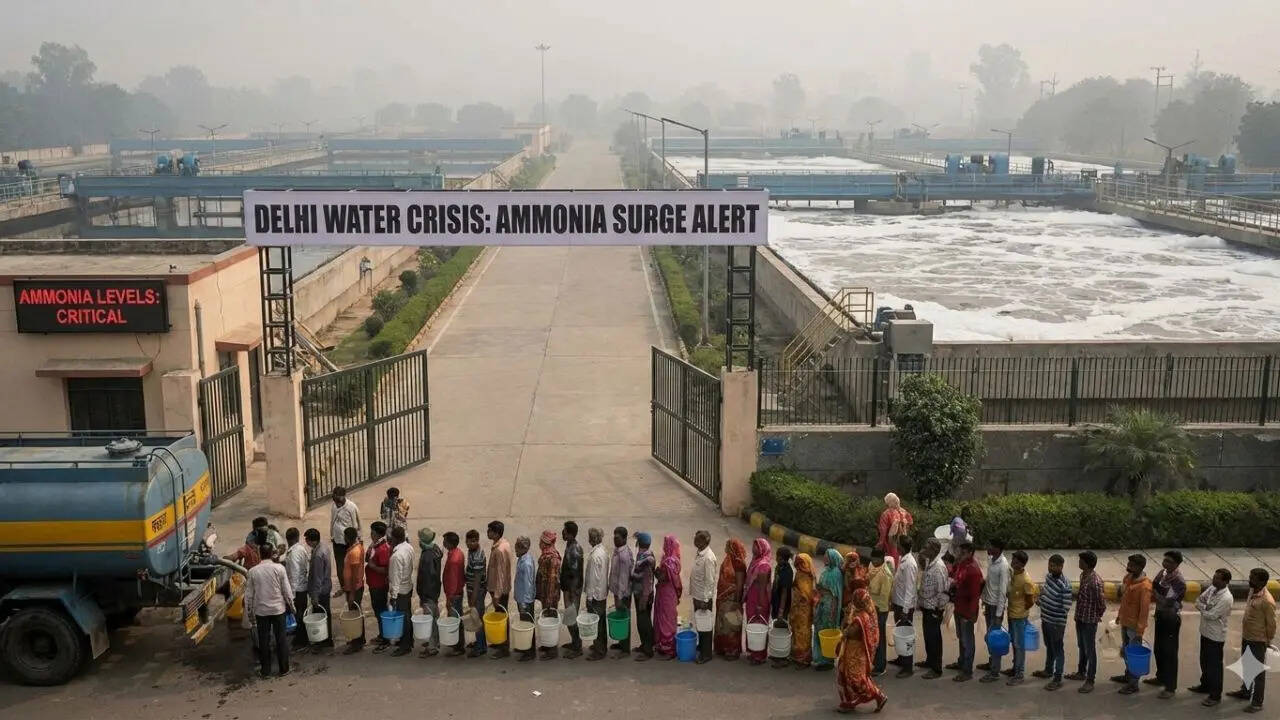
High ammonia levels in the Yamuna, along with reduced water supply from Haryana via the Munak Canal, have triggered a water shortage across several parts of Delhi. Seven out of the city’s nine water treatment plants have been impacted. Delhi’s largest facility at Wazirabad, which normally supplies around 140 MGD (million gallons per day), has been shut down entirely. Meanwhile, the Chandrawal plant is operating at only half its capacity and is supplying close to 100 MGD to the capital.Delhi Water CrisisLocalities facing disruptions include IGI Airport, Dwarka, Shalimar Bagh, Sultanpuri, Raja Garden, Rajouri Garden, Karala, Bawana, Prashant Vihar, Madhu Vihar, Mangolpuri, Paschim Vihar, Mayapuri, Janakpuri, and nearby areas. In a statement, the Delhi Jal Board (DJB) said, “To make up for the diversion, Haryana is supplying water to DJB. Residents are advised to use water carefully during this period.” Officials have indicated that the water crisis could persist until February 4, 2026.What Happens When Water Has High Ammonia Content?Elevated ammonia levels in drinking water can pose serious health concerns, especially when concentrations cross safe limits such as 0.5 ppm (parts per million). Here’s how excess ammonia can affect the body.1. Respiratory IssuesAmmonia can irritate the airways, leading to symptoms like coughing, a runny nose, chest discomfort, and difficulty breathing if consumed or inhaled from contaminated water. People with asthma or existing lung conditions may experience aggravated bronchitis or face a higher risk of pneumonia.2. Neurological EffectsAmmonia acts as a neurotoxin and can enter the bloodstream, interfering with normal brain function. This may result in headaches, dizziness, confusion, or trouble concentrating. In cases of heavy exposure, it can cause nausea, vomiting, or poisoning accompanied by breathing distress.3. Organ DamageLong-term exposure to ammonia can strain the kidneys by increasing their workload, which may eventually impair function. It can also raise nitrite and nitrate levels in the body, increasing the risk of vascular problems, and has been linked to reproductive concerns such as infertility or low birth weight.4. Skin and Eye IrritationDirect contact with water containing high ammonia can irritate the skin, eyes, and mucous membranes, sometimes causing rashes or conjunctivitis. Children, pregnant women, and older adults are especially vulnerable and should be extra cautious.How To Check For Ammonia In Water At Home?There are a few simple ways to identify possible ammonia contamination at home without laboratory testing.IndicatorsAmmonia gives off a sharp, pungent smell often compared to fish or household cleaning agents, which can be noticeable even at low levels of 0.5–1 mg/L. The water may also taste bitter, earthy, or moldy. If you notice these signs, avoid using the water. Checking the pH can also help, as ammonia can push pH below 7, making the water more acidic. pH test strips are an easy option for this.Chlorine Residual TestWhen ammonia reacts with chlorine, it forms chloramines, which lowers free chlorine levels to below 0.4 mg/L. You can test tap water using pool test strips or chlorine kits. Low readings may point to the presence of ammonia and serve as a useful indirect indicator in treated water supplies.Safety Tips And PrecautionsIf you live in an area at risk of ammonia contamination, taking precautions is essential to reduce health issues such as irritation, nausea, or neurological symptoms. Here are some practical steps to follow.1. Use Certified FiltrationInstall reverse osmosis (RO) or activated carbon filters that are certified to remove ammonia and chemical contaminants, such as those meeting NSF/ANSI 58 standards. These systems are effective at trapping ammonia ions, unlike basic filters, and make drinking water safer for daily use.2. Avoid Boiling AloneWhile boiling kills bacteria, it can cause ammonia to vaporise, concentrating it in the remaining water and steam. Avoid inhaling the vapours or relying on boiling alone. If boiling is unavoidable, combine it with proper filtration or allow the water to cool uncovered in a well-ventilated space so gases can dissipate before storage.3. Safe HandlingAlways test water if contamination is suspected. In case of exposure, rinse skin or eyes with lukewarm water for 15–30 minutes and seek medical attention if there are burns or if the water has been ingested. Keep ammonia-based cleaning products away from food preparation areas and out of children’s reach to prevent accidental mixing or exposure.