
- Health Conditions A-Z
- Health & Wellness
- Nutrition
- Fitness
- Health News
- Ayurveda
- Videos
- Medicine A-Z
- Parenting
Childhood Sleep Issues, Persistent Nightmares May Raise Suicide Risk, New Study Finds

Credit: Canva
For most parents, if their child has trouble sleeping, they may try some tricks and at most, talk to them. However, a majority of them often leave the issue unattended, hoping their child will grow out of it. A new study, however, suggests that sleep problems could increase the risk of suicide in adulthood. The research published Monday in the journal JAMA Network Open stated that having severe sleep disturbances at age 10 was linked with having a 2.7 times higher risk for suicidal ideation and suicide attempts two years later.
"Given that sleep is highly visible as a risk factor, non-stigmatizing, and highly treatable... we suggest the study of sleep as a risk factor and critical intervention target for youth suicide," said senior study author Dr Rebecca Bernert, who is also a suicidologist and founder of the Stanford Suicide Prevention Research Laboratory in California.
For the study, researchers observed over 8,800 children recruited by the Adolescent Brain Cognitive Development Study at 21 sites across the United States when they were 9 or 10 years old. At that time, guardians answered questionnaires about their child's sleep health, which included factors such as problems with falling or staying asleep, waking up, excessive sleepiness, sleep-disorder breathing, excessive sweating during sleep, and behaviours that occur when someone partially awakes from a deep sleep. The guardians also completed forms about their child's anxiety or depression symptoms. To rule out the impact of genetics, researchers also obtained details on the children's family history of depression, family conflict and parental monitoring.
The researchers discovered that when the children were ages 11 or 12, 91.3% of them hadn't experienced suicidal thoughts or attempts within the two years since the first data collection. However, among those who did, high and severe sleep disturbances were linked with greater odds of ideation and attempts. This led them to conclude that sleep could serve as an important risk factor when it comes to suicide and self-harm. Interestingly, they also discovered that having daily nightmares was associated with a five times higher risk of suicidal behaviours.
Why Is Chronic Sleep Disturbance Linked To Suicide?
Health experts state that problems with sleep, and lack of sleep—which too much stress, activities, schoolwork and yes, screen time, all contribute to — interfere with brain development on a number of levels, particularly mood, anxiety and emotion regulation. A study, published in Sleep Science in 2022, stated that sleep problems and sleep deprivation are associated with a decrease of functional emotion-regulating behaviour and impaired emotion generation. On the other hand, prolonged sleep enhances better mood and affect states, positive emotion expression, and faster sensory processing in response to emotional stimuli.
Therefore, if you see your child struggling to sleep, it is advisable to reach out to a healthcare professional at the earliest.
Can Drinking Beer Cause Cancer? A New Study Says There Is No Safe Limits
Credits: Canva
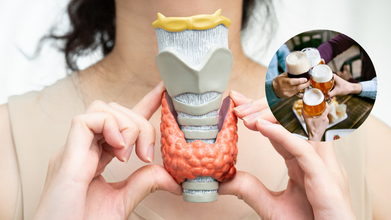
Now, drinking beer too could increase the risk of mouth cancer. On Tuesday, researchers at the Tata Memorial Centre (TMC) reported this adding new evidence. They found a 59 per cent higher risk of mouth cancer in people who drank, on average, just two grams of alcohol from beer daily, compared with those who did not drink. The research suggests that there may not be any safe limit to drink.
What Did The Study Reveal About Beer And Cancer?
Their study in India's large scale analysis that probs link between alcohol and cancer of the buccal mucosa. This is the pink lining of cheeks and lips. In India, this kind of cancer is the second most common malignancy in India after breast cancer. It also leads to 1,40,000 new cases and nearly 80,000 deaths each year.
Who Are More Prone To Buccal Mucosa Cancer?
People who consume more than one glass of alcohol a day and chew tobacco on a day to day basis are five times more at risk of developing this cancer as compared to those who do not drink or chew tobacco.
The findings of the study was published in the journal BMJ Global Health and it suggests that joint use of both, alcohol and tobacco leads to 62 per cent of all buccal mucosa cancer in the country.
As Telegraph reported, Tata Memorial Centre for Cancer Epidemiology unit's head of molecular epidemiology and population genomics unit Sharayu Mhatre said, "We see an unmistakable pattern: the more alcohol people drink, the greater their risk of buccal mucosal cancer."
Buccal mucosal cancer continues to pose a serious public health challenge in India. Among 100 patients diagnosed with locally advanced stages of the disease, 57 die within five years, a mortality rate that experts say highlights the urgent need for prevention, early detection, and stronger regulation of risk factors.
Alcohol Emerges as a Major Risk Factor
While the link between alcohol and cancer is well known, new findings reinforce just how dangerous alcohol consumption can be for oral health. Researchers found that people who consumed alcohol had a 68% higher risk of developing buccal mucosal cancer compared to non-drinkers.
What stood out most was the type of alcohol consumed. Unregulated, locally brewed liquor carried the highest risk, increasing cancer likelihood by 87%, compared to 72% among consumers of regulated, commercially sold drinks. Experts point out that these local brews often contain significantly higher ethanol concentrations and lack quality control.
Not Just Heavy Drinking—Even Small Amounts Matter
The study analyzed drinking patterns among over 3,700 participants, comparing cancer patients with healthy individuals. Alcohol types ranged from beer and spirits like whisky and vodka to traditional local drinks such as bangla and tharra. Ethanol levels varied widely—from 5% in beer to as high as 90% in some locally distilled spirits.
Alarmingly, increased cancer risk was seen even at low levels of alcohol intake. As little as two grams of alcohol a day from beer, or roughly one glass of stronger liquor, was enough to raise concern.
Alcohol and Tobacco: A Dangerous Combination
The risk escalates dramatically when alcohol use is combined with tobacco chewing. Tobacco alone raised cancer risk by 200%, alcohol alone by 76%, but together, the risk shot up to 346%. Researchers explain that alcohol may damage the mouth’s protective lining, making it easier for tobacco-related carcinogens to penetrate and cause harm.
Health experts stress that these findings underline the need for greater public awareness, stricter monitoring of locally brewed alcohol, and stronger prevention strategies. The World Health Organization has already warned that no level of alcohol is safe, noting that even light or moderate drinking contributes to a significant number of alcohol-related cancers globally.
For India, where oral cancers remain widespread, these insights serve as a critical reminder: everyday habits can have life-altering consequences.
Delhi Sees Some Relief From Toxic Air; GRAP IV Removed, 'Will Bring Down Pollution In 5 Years,' Says Nitin Gadkari
Credits: iStock
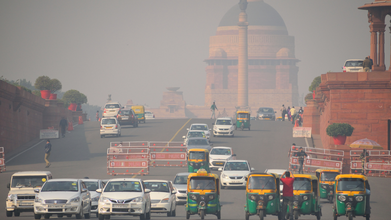
Delhi finds itself in a little relief as the AQI of the city has dropped to 221 as per the CAQM. GRAP IV restrictions have also been lifted, however, pollution and smog continues to take over the city. The Meteorological Department has issued a yellow alert for the next few days, which could affect road and air traffic.
While GRAP IV is now removed, measures under GRAP I, II, and III will continue. As per the IMD forecast, this is what could happen for the next 5 days in Delhi
- December 26: Dense fog will prevail in the morning. Visibility is likely to be low.
- December 27: Yellow alert, dense fog in the morning and afternoon.
- December 28: Yellow alert, moderate to dense fog expected in the early morning.
- December 29-30: Fog will reduce slightly, but moderate haze will prevail in the morning.
Union Transport Minister On Delhi's Pollution
Nitin Gadkari, Union Minister of Road Transport and Highways also highlighted the alarming conditions of Delhi's smog and pollution. He said, "I stay for hardly two days in Delhi, and get an infection," as he spoke on how pollution impacts one's health conditions. However, he did speak on the severity of pollution and highlighted how the transport sector could play a huge role to bring relief to Delhi.
He highlighted that fuel combustion and transport emission leads to most of Delhi pollution.
In an interview with the news agency ANI, the minister also said that his ministry and Central Government are working on several projects and initiatives that will free Delhi from air pollution in the next five years.
Gadkari stated that the Ministry of Road Transport and Highways is undertaking projects worth Rs 1 lakh crore in Delhi to ease traffic congestion. He stated that all these efforts will not only help free Delhi of air pollution but also reduce the country's imports, increase job opportunities, and help farmers.
Electric Buses, Cars, and Scooters
The minister highlighted that 40% of the air pollution in the National Capital region is due to the burning of fossil fuels. In this regard, the government introduced electric buses in the city and enabled automakers to introduce electric cars and two-wheelers in the country.
He further stated that alternate fuel vehicles, such as those that run on CNG, LPG, and flex fuels (E20), are also being introduced and that all these efforts combined will reduce the city's pollution levels.
CNG And Bitumin From Rice Straw
Gadkari pointed out that nearly 200 lakh tonnes of rice straw or parali is burnt in Haryana and Punjab, a major cause of air pollution in the Delhi-NCR region. In this regard, the government is setting up 400 plants to convert the rice straw into CNG. At the moment, 60 plants are operational.
The minister also discussed a new project in Panipat in which rice straw is being used to create 1 lakh litres of Ethanol, 1.5 tonnes of bitumen, and 78,000 tonnes of jet fuel.
Essential Tests Every Woman Should Go Through Before 2025 Ends
Credits: iStock
As the year draws to a close and 2026 approaches, most women find themselves juggling work deadlines, family responsibilities, and festive plans. In the middle of it all, personal health often slips to the bottom of the list. But doctors say this is exactly the time to pause and take stock of your body, especially your reproductive and hormonal health.
“Annual gynecological screening is one of the simplest ways to prevent silent illnesses, detect early changes, and understand your reproductive health better,” says Dr Tanveer Aujla, Consultant Obstetrician and Gynecologist at Motherhood Hospitals, Noida. Many common conditions show little to no symptoms in the early stages, making routine testing crucial.
Why yearly gynecological check-ups matter
Women often ignore subtle signs like fatigue, irregular periods, unexplained weight changes, or mood swings, assuming they are part of a busy lifestyle. According to Dr Aujla, this delay can be risky. “Conditions like cervical abnormalities, breast lumps, thyroid disorders, vitamin deficiencies, or hormonal imbalance often develop quietly and show symptoms only later,” she explains. A yearly check-up helps catch problems early and allows women to plan their health with confidence, especially if pregnancy is on the horizon.
Pap smear and HPV testing for cervical health
One of the most important screenings is the Pap smear combined with HPV testing. The Pap test looks for abnormal cells on the cervix, while the HPV test detects high-risk viruses responsible for most cervical cancers. “Together, they form a powerful screening tool,” Dr Aujla says. Women between 25 and 65 years should undergo this test every three to five years, or as advised by their doctor.
Breast screening for early detection
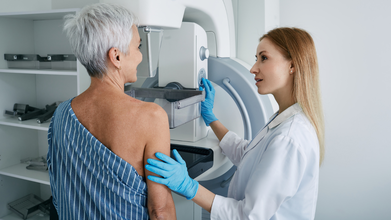
Breast health should never be overlooked. Dr Aujla advises yearly mammograms for women above 40, along with clinical breast examinations or ultrasound scans when needed. “These screenings help identify lumps, cysts, or early tissue changes,” she notes. She also stresses the importance of monthly self-examination to check for lumps, pain, or changes like inverted nipples.
Thyroid testing for unexplained symptoms
Thyroid disorders are extremely common in women and often remain undiagnosed. “A simple TSH, T3, and T4 test can explain symptoms like fatigue, mood swings, irregular periods, weight changes, or fertility issues,” says Dr Aujla. Early diagnosis can significantly improve quality of life and prevent long-term complications.
Fertility markers and preconception screening
Tests like AMH offer insight into ovarian reserve and help women plan their reproductive timelines. Dr Aujla points out that this is especially important for women with PCOS, irregular cycles, or delayed family planning. Preconception screening, which includes anemia levels, vitamin D, rubella immunity, blood sugar, and hormonal panels, ensures the body is prepared for a safe pregnancy.
Other essential health screenings
Women over 30 or those with a sedentary lifestyle should also get diabetes and cholesterol tests. Bone health panels checking calcium and vitamin D help prevent future osteoporosis. STI screening is equally important, as infections like chlamydia or gonorrhea can silently damage reproductive health if left untreated.
“Whether you are planning pregnancy or simply want to stay healthy, these tests offer clarity, confidence, and peace of mind,” Dr Aujla concludes. Taking time for these screenings before the year ends is a small step that can protect your health for years to come.
- Follow Us :


© 2024 Bennett, Coleman & Company Limited