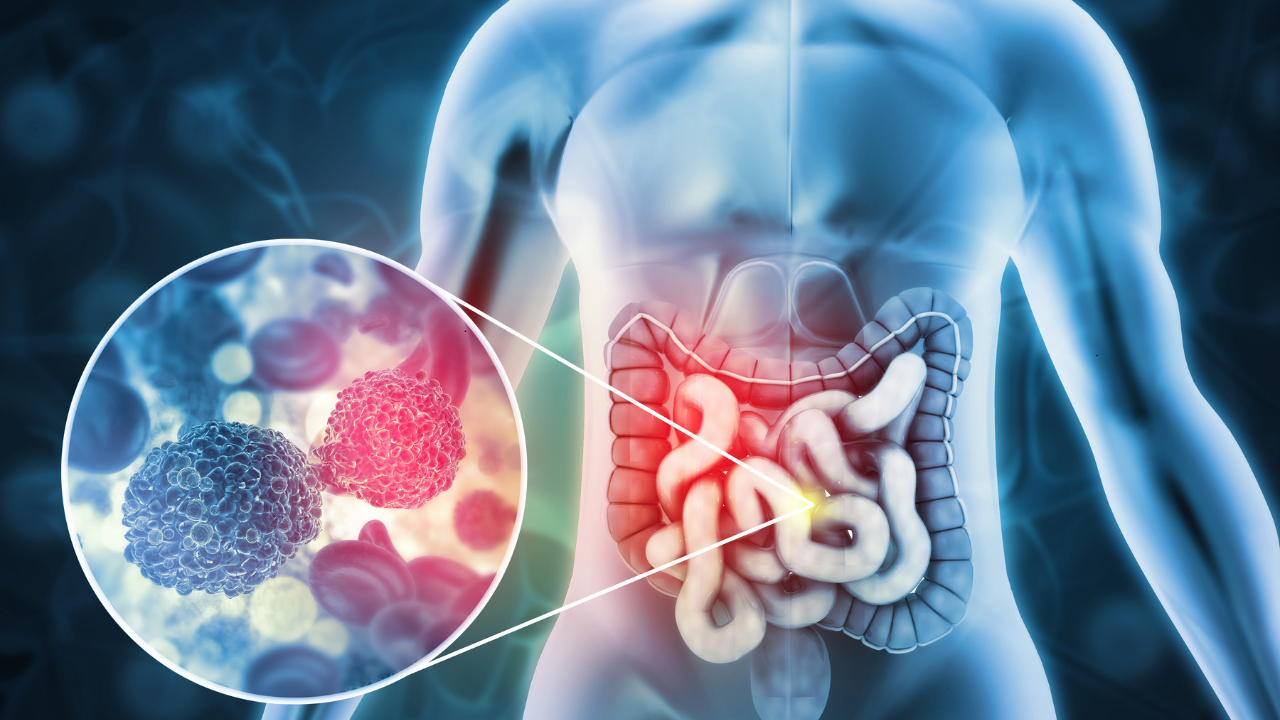
In the world of oncology, we usually speak of battling or fighting cancer. We pool in our whole life’s earnings to find a cure or solution for the advanced stages of this disease. What if cancer were not a threat? Here is one of the most common and deadly cancers, which is also one of the most preventable ones. We are talking about Colorectal cancer, which is often described by medical professionals as a preventable tragedy. This is because, unlike many other forms of the disease, we have a clear window of opportunity to stop it before it even begins.As we observe Colorectal Cancer Awareness Month in March, it is time to strip away the fear surrounding the tests and understand why nobody should ever have to die from a condition that gives many chances to catch it well in time.How It All BeginsTo understand why colorectal cancer is preventable, we have to look at how it develops. As with most cancers, this too doesn’t appear overnight. Almost always, these cancers start as small growths called polyps or precancerous lesions on the inner lining of the colon or rectum.These polyps are like seeds; they are mostly benign. But there is one type of polyp that can gradually turn into cancer over a period of time. This is where the advantage lies. There is a long interval of time before polyps develop into cancer. During this time, they can be removed if they are identified. If a doctor removes a precancerous polyp during a routine screening, they would not only have nipped the cancer in the bud, but would have also prevented it from occurring.The statistics are encouraging when detected early, with figures showing that over 90 per cent of cases of colorectal cancer are fully curable. However, people do not seek medical attention until they experience some symptoms, at which point the seed-like polyps have already grown into a deep-rooted cancer.Screening – The Main DefenseIn Western countries, the death rate from colorectal cancer has been declining at a visible rate due to the presence of strong and well-supported screening programs from their governments. Although some countries have not yet introduced a formal national program, the consensus among medical experts is that if you are above 45 years of age or have high-risk factors, you need to take the initiative to be screened.There are two primary ways we do this:1. The FIT (Fecal Immunochemical Test) – This is a simple, non-invasive stool test that has become a staple in most general health check-up packages. It works by detecting tiny amounts of human hemoglobin (blood) that aren’t visible to the naked eye. The advantage of getting a Fecal Immunochemical Test done is that it is very easy, and it can be done at home, and requires no special preparations. It acts as an early warning system. If a FIT result comes back high, it signals that something is happening in the bowel that requires a closer look via colonoscopy. It is recommended that everyone over 45 undergoes this test annually. While not as definitive as a colonoscopy, it is a vital first line of defence.2. The Colonoscopy – This is the gold standard. Despite all the fear and misinformation that can be spread on the Internet, a colonoscopy is a routine and safe procedure. It allows a doctor to visually inspect the inside of the colon. It is a procedure that has dual benefits – to see what is wrong, and to make things right. Should the doctor find a polyp, it can be safely removed at the time of the procedure.Many people avoid this procedure because of embarrassment and fear of discomfort. However, with the sedation, most people find it to be completely painless.Recognizing The Red FlagsWhile screening is for people with no symptoms, you must be alert to signs that require an immediate expert opinion, regardless of your age. Also, never ignore these symptoms or assume that they are due to bad food choices:If you feel changes in bowel habits frequently, then this is not just a one-off upset stomach. Pay attention to persistent change, such as recurrent diarrhea or a sudden onset of constipation that doesn’t resolve.Blood in the stool is perhaps the most critical sign. Many people write off rectal bleeding as piles (hemorrhoids). But bleeding that persists despite treatment must be checked by an expert.Losing weight without trying is often a sign that the body is under significant stress. Not all unexpected weight loss is a happy occurrence.Anemia and fatigue are visible proof. If a blood test shows low hemoglobin or iron-deficiency anemia – especially in men or in post-menopausal women – a colonoscopy is often mandatory to rule out internal bleeding from a tumor.Persistent abdominal pains, which are chronic, severe, or are accompanied by unexplained cramping and pain in the lower tummy area, must be evaluated by a doctor.Breaking The StigmaThe aim of Colorectal Cancer Awareness Month is not just to create awareness about the disease; it is also about providing support as we pay tribute to cancer warriors who have completed the painful journey from surgery and chemotherapy to rehabilitation. Shared stories can help remove the fear in others’ minds.There is no such thing as too much information in the doctor’s office. Our bowels are part of our body, and we must overcome the shame or embarrassment associated with talking about them. A simple dialogue about bathroom habits or asking for a FIT test can save a life.By promoting early detection leading to the removal of precancerous polyps, we can build a world where no one ever has to die from colorectal cancer. If you are aged 45 years or older, make this the month you arrange for a screening. If you have symptoms, do not wait; the right time is now.In the case of colorectal cancer, prevention is not just the best medicine, it IS the cure.