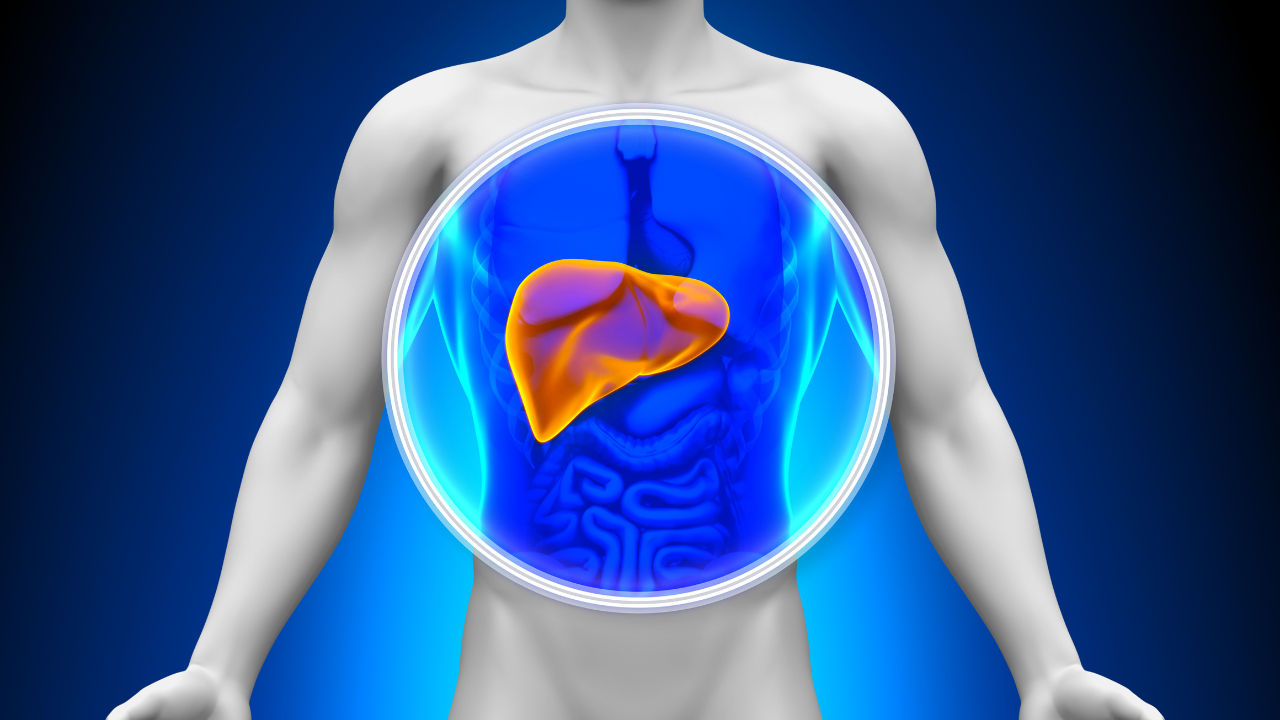
Metabolic dysfunction-associated steatotic liver disease (MASLD), previously referred to as nonalcoholic fatty liver disease (NAFLD), has gone on undetected to become one of the most prevalent liver diseases on the planet. Currently, over 30% of the world's population is believed to be afflicted with MASLD, a condition that may present no symptoms until late stages. Largely caused by obesity and type 2 diabetes, MASLD is a silent epidemic that develops slowly and quietly until it leads to scarring, inflammation, or cirrhosis.While common, effective treatments have been elusive. Lifestyle modifications like weight reduction, healthy eating, and physical exercise are still the mainstay of management. But today, a new find by a South Korean research team may revolutionize how we approach treatment—and it all hinges on a familiar vitamin most of us have heard of but don't often link to liver health: vitamin B3 or niacin.What is miR-93 and Its Function in Liver Injury?At the heart of this finding is microRNA-93 (miR-93), a tiny molecule found in the liver. Under normal circumstances, RNA molecules act to control how our genes function, but when they malfunction, they can cause disease.Researchers discovered that MASLD patients and animal models of fatty liver disease contained unusually high levels of miR-93. Why care? Because miR-93 represses SIRT1, a gene that is necessary for the breakdown of fats in liver cells. When SIRT1 is inhibited, fats start to build up, leading to inflammation, fibrosis, and escalating liver damage.In lab tests, mice that had been genetically modified to overexpress miR-93 suffered from advanced fatty liver disease. But when scientists used gene editors to knock down miR-93, the outcome was dramatic: fat accumulations decreased, insulin sensitivity increased, and markers of liver function normalized.This discovery put the spotlight on miR-93 as a potent cause of MASLD—and a potential therapeutic target.Which Vitamin Reverses Liver Damage?After miR-93 was found, the logical question was straightforward yet important, could it be blocked? The research team tested 150 FDA-approved pharmaceuticals to determine whether any of them could reverse miR-93. The surprise winner was niacin (vitamin B3).Niacin, which has been used for decades as a treatment for lowering cholesterol, suppressed miR-93 in this study and enhanced the activity of SIRT1. The outcome was restored normal lipid metabolism in the liver, decreased fat accumulation, and enhanced overall liver function.Mice that received niacin experienced noteworthy decreases in miR-93 and distinct improvements in liver function markers. Since niacin is already deemed safe and readily available, scientists suspect that this finding may become human therapies much quicker than new drugs.The potential is staggering. MASLD strikes almost a third of the world's population, but until today, no specific therapy has been developed. By taking a low-cost vitamin and adapting it, researchers may have identified a way to slow down—and even reverse—the disease.Study leader Professor Jang Hyun Choi highlighted its importance:This research clearly identifies the molecular cause of MASLD and shows the therapeutic potential for repurposing a previously approved vitamin molecule to control this pathway, which holds strong translational clinical application."In simpler terms, this isn't merely a scholarly advancement. It's a move toward practical, real-world treatments.What Is Metabolic Dysfunction-Associated Steatotic Liver Disease?MASLD results when there is fat accumulation in the liver in individuals consuming little or no alcohol. It is normal to have some fat in the liver, but increased fat leads to inflammation and scarring. This can eventually advance to metabolic dysfunction-associated steatohepatitis (MASH), cirrhosis, or liver cancer.Symptoms may not occur until the disease is well underway. Some individuals experience weakness, belly pain, unexplained weight loss, or jaundice. For others, the first hint comes when blood tests or imaging studies are done as part of a normal checkup.Notably, MASLD is not alcohol-related—although alcohol consumption can cause the disease to dramatically worsen.Can MASLD Be Reversed?The good news is: yes, in most instances. If caught early, MASLD can usually be reversed with weight reduction, better diet, regular exercise, and close control of blood sugar and cholesterol levels. But after it develops into cirrhosis, the damage is largely irreversible.This is why the discovery of vitamin B3 is so promising. By targeting the molecular cause of the disease—miR-93—it may be a means to treat MASLD more efficiently, even in those who have difficulties with lifestyle modification alone.However, that the niacin already has FDA approval is a huge leg up. Rather than having to develop it from scratch, scientists can move forward based on decades of safety data, potentially accelerating its use in MASLD patients.