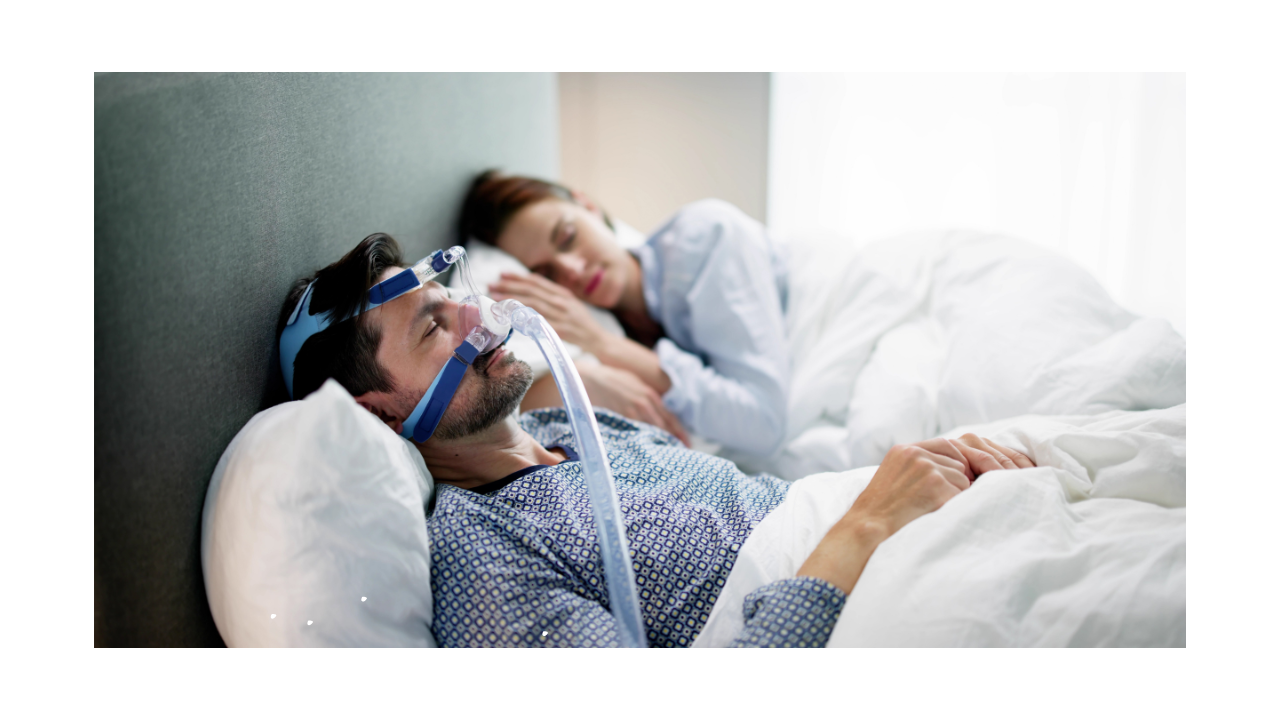
A new study has shown that people who survived COVID-19 infections are more likely to develop obstructive sleep apnea (OSA) for years after the infection with the SARS-CoV-2 virus. OSA is a common and serious sleep disorder that causes the throat muscles to relax and block the airway, resulting in fragmented, nonrestorative sleep, low blood oxygen, and loud snoring. The February 2026 study, published on the preprint server medRxiv, found that people with both severe and non-severe COVID infections are at higher risk of developing sleep apnea and other sleep issues for 4.5 years. "SARS-CoV-2 infection is independently associated with increased risk of new-onset OSA. These findings support targeted screening in post-COVID populations,” said Sagar Changela, Department of Radiology, Albert Einstein College of Medicine, in the paper. What The Study FoundAlthough an infection with the SARS-CoV-2 virus has been associated with long-term respiratory and neurological conditions, its role in new-onset OSA remains unclear. The retrospective study, which has not been peer-reviewed, involved 910,393 patients. The results showed that patients hospitalized due to COVID were 41 percent at risk of new onset of OSA. One-third of people with mild COVID infection, who weren't hospitalized, also suffered from sleep issues. The researchers also linked OSA to cardiovascular, metabolic, and cognitive morbidity. The team found that OSA increased the risk of heart failure and pulmonary hypertension among hospitalized COVID patients, compared to those with mild infections. On the other hand, the non-hospitalized COVID patients were significantly more likely than controls to develop obesity. Further analyses showed that the risk of new-onset OSA was higher in hospitalized COVID patients with asthma and those who were younger than 60 years. Notably, women were also found at greater risk than men, while vaccination status did not vary by risk. According to the team of researchers, the major factors for OSA among COVID patients are low-grade systemic inflammation after a SARS-CoV-2 infection that reduces upper-airway neuromuscular control. In addition, the higher levels of inflammatory cytokines often seen in long-COVID patients can also affect respiratory drive and upper-airway stability -- key factors for OSA.What Is Sleep Apnea?Sleep apnea is a serious sleep disorder where a person's airway can collapse completely or partially. It causes breathing lapses during sleep, and the body stops breathing many times while an individual is asleep. It also weakens throat muscles, leading to airway collapse during sleep. The decrease in oxygen saturation can also lead to death. While OSA is the most common type of the sleep disorder, other types include central sleep apnea and complex sleep apnea. Obesity is the major cause of this disorder, and loud snoring is the most common symptom. The person suffering from the condition feels tired, even after getting adequate sleep. Treating sleep apnea is key to preventing long-term health complications such as cardiovascular disease, hypertension, diabetes, stroke, and increased mortality. CPAP machines, oral appliances, and lifestyle modifications are common and effective treatment measures.