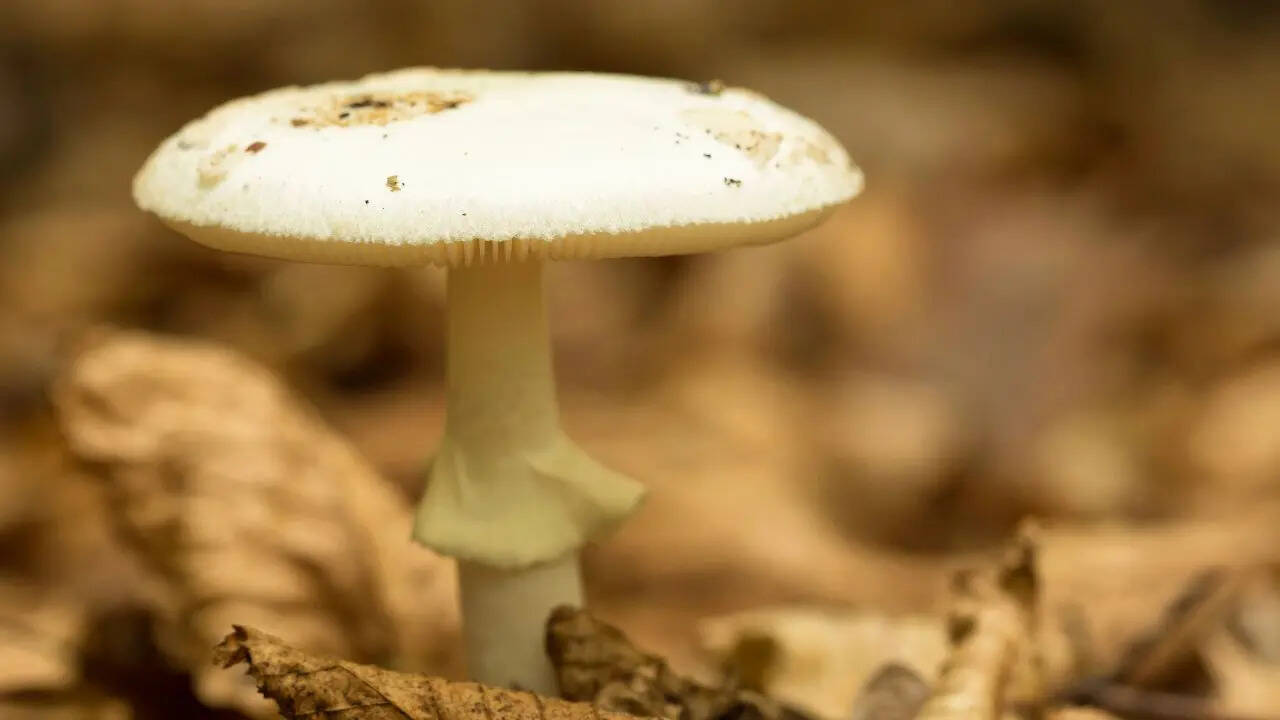
A California man died last weekend after eating so-called death cap mushrooms, marking the third fatality linked to the toxic fungi in the state since November.Health officials say California is seeing an unusually high number of mushroom poisonings this season. Between November 18 and January 4, at least 35 cases were reported statewide. In a typical year, the number is usually fewer than five.“This year’s figures are far beyond what we normally see,” said Sheri Cardo, a communications specialist with the California Department of Public Health.California Resident Dies After Eating Death Cap MushroomsAt least three people have now lost their lives in California due to death cap mushroom poisoning since November. Media reports indicate a sharp rise in cases tied to foraged wild mushrooms, with more than 35 poisonings recorded over the past three months.“The numbers we’re dealing with this year are comparatively off the charts,” Cardo told NBC News.The most recent death occurred in Sonoma County and was the first fatal wild mushroom poisoning reported there this season, according to county health officials.Dr. Michael Stacey, interim health officer for Sonoma County, urged residents to avoid eating wild mushrooms unless they are purchased from reliable grocery stores or licensed sellers. He warned that death cap mushrooms can look strikingly similar to safe, edible varieties.What Is Death Cap Mushroom Poisoning?Death cap mushrooms, scientifically known as Amanita phalloides, are among the most poisonous mushrooms in the world. They commonly grow beneath oak trees and can be found in parks, gardens, and wooded areas.Experts say these mushrooms are often mistaken for edible types because of their appearance. Typical features include:A smooth cap that may appear whitish, pale yellow, light brown, or greenWhite gills underneath the capA white spore printA cup-like structure called a volva at the base of the stemA ring, known as an annulus, around the stemDeath Cap Mushroom SymptomsSymptoms usually begin between six and 24 hours after ingestion. Early signs often include stomach pain, nausea, vomiting, and diarrhoea.In many cases, symptoms ease or disappear after one or two days, which can create a false sense of recovery. By that point, however, the toxins may have already caused severe damage to the liver.According to experts, the poison responsible, known as amatoxin, can seriously harm the liver, kidneys, and digestive system. Without prompt treatment, the damage can be fatal.U.S. Poison Centers receive an average of about 52 calls each year related to amatoxin exposure, said Hallen-Adams, though not every case is officially reported.Is the Risk Easing?The danger may now be starting to decline in parts of California. Mike McCurdy, president of the Mycological Society of San Francisco, said he has noticed far fewer death cap mushrooms during recent foraging trips.Earlier this winter, McCurdy said he spotted hundreds of death caps during a two- to three-hour walk in Sonoma County. On a recent outing near Lafayette, California, he found just one. “I think we’re getting close to the end,” he said.