
- Health Conditions A-Z
- Health & Wellness
- Nutrition
- Fitness
- Health News
- Ayurveda
- Videos
- Medicine A-Z
- Parenting
Do You Have High Blood Pressure? These Two Fruits Could Affect Your Readings

Credits: Canva
A doctor has cautioned that certain people may need to cut back on their favourite fruits if they are taking specific heart or blood pressure medicines. Ignoring this advice could lead to a serious but preventable health issue. Speaking during a past appearance on ITV’s This Morning, as reported by the Mirror, GP Dr Chris Steele explained that some prescribed drugs can react poorly with everyday foods. Eating these foods in large amounts may interfere with how the medication works and, in some cases, cause dangerous side effects.
He drew attention to two common fruits that many households keep on hand. The doctor warned that anyone taking medicines known as ACE inhibitors should avoid bananas and oranges. During the interview, he said: “Bananas are high in potassium, which is not suitable for certain medications. People taking ACE inhibitors such as captopril, enalapril, fosinopril, and others should try not to eat bananas or oranges.”
ACE inhibitors are used to lower blood pressure and treat heart failure by relaxing and widening blood vessels, allowing blood to circulate more easily. They are often prescribed as a first-line treatment for high blood pressure, heart failure, and some kidney conditions, though regular monitoring is needed to watch for possible side effects.
What Causes High Blood Pressure?
High blood pressure, also known as hypertension, occurs when blood pushes too forcefully against artery walls. Over time, this can damage blood vessels as well as vital organs such as the heart, brain, and kidneys. The condition often has no obvious symptoms, but it can increase the risk of heart attacks, strokes, kidney failure, vision problems, and aneurysms. Constant pressure makes the heart work harder, which may eventually lead to heart failure or thickening of the heart muscle, according to the Mayo Clinic.
Hypertension is usually linked to lifestyle factors like a high-salt diet, excess weight, lack of physical activity, and smoking. Age, genetics, and underlying health problems such as kidney disease also play a role. The condition develops when pressure inside the arteries rises, sometimes due to stress, hormonal changes, or long-term poor eating habits.
Why Are Blood Pressure Patients Being Advised To Avoid These Fruits?
Bananas, along with oranges and some salt substitutes, contain high levels of potassium. When combined with ACE inhibitors, these foods can cause potassium levels in the blood to rise too much. Mild increases may lead to symptoms such as stomach pain, diarrhoea, nausea, or vomiting. However, many people do not notice any symptoms until potassium levels become dangerously high, which can increase the risk of chest pain, heart palpitations, and an irregular, rapid, or fluttering heartbeat.
Patients are advised to inform their GP if they are taking potassium supplements or diuretics alongside blood pressure medication. Those on ACE inhibitors should avoid eating large quantities of foods that are high in potassium.
The NHS advises people in the UK to aim for five portions of fruit and vegetables each day. Since all fruits contain some potassium, no option is completely risk-free when eaten in excess. That said, some fruits are much lower in potassium than bananas and oranges. These include apples, berries, grapes, pineapples, and pears.
Watermelon is generally classed as low to moderate in potassium, making it a suitable choice for people following a low-potassium diet. One standard serving of diced watermelon contains roughly 170 to 180 mg of potassium, which is far lower than levels found in fruits like cantaloupe.
According to the NHS, adults aged 19 to 64 need about 3,500 mg of potassium each day, which can usually be met through a balanced diet. A doctor can help address individual concerns and offer guidance based on personal health needs.
Using NSAIDs For Osteoarthritis? NHS Issues Warning, Doctor Suggests Safer Option
Credits: AI Generated
More than 10 million adults, young people, and children in the UK are currently living with arthritis, according to a 2025 report by Arthritis UK. The NHS states that osteoarthritis is the most common form of the condition nationwide.
As per Cleveland Clinic, osteoarthritis develops gradually as joints become stiff and painful due to wear and tear. Symptoms can vary depending on the joint affected and the extent of damage, but pain, swelling, and reduced movement are common. While medication is often prescribed to manage symptoms, the NHS cautions that some commonly used treatments can carry health risks if taken long-term or without proper guidance.
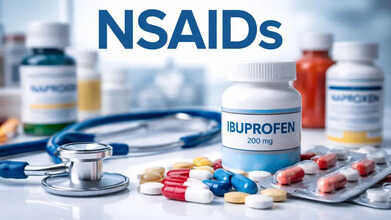
One of the most frequently used pain relief options is non-steroidal anti-inflammatory drugs, commonly known as NSAIDs.
What Are NSAIDs?
NSAIDs, or non-steroidal anti-inflammatory drugs, are commonly prescribed by GPs to help relieve pain, swelling, and inflammation. They are available in several forms, including tablets, capsules, suppositories, creams, gels, and injections. Some NSAIDs can be purchased over the counter, while stronger versions require a prescription.
These medicines are often relied upon for day-to-day pain relief by people with osteoarthritis, particularly during flare-ups.
NHS Warning: Who Should Be Cautious When Using NSAIDs?
The NHS advises that NSAIDs may not be suitable for everyone. Extra caution is recommended for people with asthma, a history of stomach ulcers, angina, or those who have previously experienced a heart attack or stroke. The NHS also advises that individuals taking low-dose aspirin should always consult their GP before using NSAIDs.
Long-term or incorrect use can increase the risk of stomach bleeding, cardiovascular problems, and kidney issues, making it important to review pain management plans regularly.
Can Natural Compounds Like GOPO Support Joint Health?
Consultant Rheumatologist Dr Rod Hughes explains that natural compounds are increasingly being explored as supportive options for joint health.
“Natural compounds derived from plants have long been used in both traditional and modern medicine to support joint health. One such compound is GOPO, which is derived from rose hips (Rosa canina). Research indicates that GOPO can help relieve joint pain due to its anti-inflammatory properties,” he says.
“Rather than simply masking symptoms, GOPO works by helping to regulate the body’s inflammatory response, which is a key driver of joint stiffness, swelling, and discomfort. It offers a promising alternative to traditional painkillers, with fewer risks of side effects, making it a more sustainable option for managing joint discomfort.”
Lifestyle Changes Proven To Ease Osteoarthritis Pain
According to Dr Hughes, lifestyle measures form the foundation of osteoarthritis management.
“Lifestyle choices play a central role in relieving osteoarthritis pain and helping people stay active,” he explains. “Research shows that regular, gentle exercise supported by physiotherapy, such as walking, swimming, and yoga, can be highly effective.”
“These activities help keep joints mobile and strengthen the muscles and ligaments that support them, which reduces stiffness and eases pressure on painful joints. It is also important to balance activity with rest to avoid flare-ups caused by overuse.”
Why Weight Management Matters For Joint Health
Weight management is another key factor in controlling osteoarthritis symptoms. “Maintaining a healthy body weight is especially important,” says Dr Hughes. “Extra weight places additional load on joints, particularly the knees and hips, which can worsen pain and accelerate joint damage. Even modest weight loss has been shown to significantly reduce pain and improve mobility.”
How Diet Influences Inflammation And Joint Pain
Interestingly, diet can also play a role in managing inflammation linked to osteoarthritis. “Eating plenty of fresh fruit and vegetables, whole grains, nuts, and seeds, along with at least two portions of oily fish each week, provides antioxidants and omega-3 fatty acids that help reduce inflammation and protect against cell damage,” Dr Hughes explains.
“In my practice, I often recommend combining these dietary changes with natural supplements such as turmeric or GOPO to provide additional support for joint health.”
Reducing Reliance On Long-Term NSAIDs Safely
For patients hoping to reduce their dependence on NSAIDs, Dr Hughes stresses the importance of medical supervision.
“Any reduction in NSAIDs should be done gradually and under the guidance of a healthcare professional. This helps ensure pain remains well controlled while avoiding sudden flare-ups or withdrawal issues,” he says.
“By combining regular movement, physiotherapy, supportive nutrition, and appropriate natural supplements, many patients can take a more balanced approach to managing chronic joint pain. Over time, these strategies may allow people to rely less on medication while maintaining a good quality of life.”
Can Heart Stents Decline Over Time And Need Replacement? Cardiologist Explains
Credits: AI Generated
Heart stents have saved countless lives and remain one of the most effective treatments for blocked coronary arteries. By improving blood flow to the heart, they help relieve chest pain and lower the risk of serious events such as heart attacks. Today, stent placement is a routine, minimally invasive procedure performed on millions of patients each year. Yet as more people live longer with stents, an important question is gaining attention: how well do these devices hold up over time inside a constantly moving, living artery?
Stents are widely used to treat blocked or narrowed arteries, particularly in people with severe or advanced coronary artery disease. By restoring blood flow, they help ease chest pain, known as angina, which occurs when the heart muscle does not receive enough oxygen and nutrients because of reduced circulation.
Each year, millions of patients undergo stent procedures, making it one of the most commonly performed minimally invasive treatments worldwide. While stents have transformed heart care, it is still important to understand their limitations, especially as newer and more advanced technologies continue to emerge.
Why Are Stents Placed In Blocked Heart Arteries?
Before looking at how stents behave over time, it helps to understand the environment in which they are placed. We got in touch with Dr. Tamil Selvan Muthusamy, Primary Investigator in the MY-IVL Study of Elixir Medical’s Device and Consultant Cardiologist at Cardiac Vascular Sentral Kuala Lumpur (CVSKL), who told us, that coronary arteries, which supply blood to the heart, are living, flexible structures. They bend, twist, stretch, and move constantly with every heartbeat to manage changing blood flow and pressure.
These arteries travel along the surface of the heart, wrapping around its curves from base to tip, delivering oxygen-rich blood to every heart muscle cell. As the heart contracts and relaxes, the arteries shift side to side, stretch lengthwise, and twist repeatedly. Blood flow within them also changes throughout the heartbeat, moving more slowly during contraction and faster during relaxation. This constant motion creates friction and stress along the artery lining, known as the endothelium.
Under healthy conditions, this stress helps maintain vessel function. However, when blood flow is disrupted, small areas of damage can occur, allowing plaques to form, harden, and eventually block the artery.
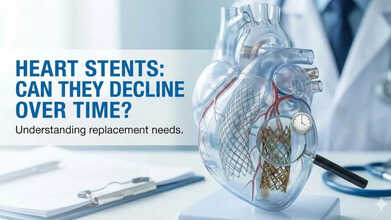
A stent is a tiny metal mesh tube mounted on a deflated balloon catheter and guided through the arteries to the site of blockage. Once the balloon is inflated, the stent expands, pushing the plaque aside. The balloon is then removed, leaving the stent in place to keep the artery open, much like internal scaffolding.
Why Does Heart Stent Performance Decline Over Time?
Over the past two decades, research has shown that stents can behave like rigid cages inside arteries. Dr Selvan Muthusamy told us that depending on their length and position, they may restrict the artery’s natural ability to bend, twist, stretch, and pulse with each heartbeat. This stiffness can damage the delicate inner lining of the artery and increase stress on the vessel wall by limiting its natural movement.
When these mechanical changes alter normal blood flow patterns, they can trigger inflammation or excessive tissue growth inside the stent. This process, known as restenosis, is one of the main reasons stents fail over time. Long-term studies suggest that stents have an annual failure rate of around 2 to 3 percent. For patients, this may show up as the return of chest pain and, in some cases, can lead to a heart attack.
As explained by Dr Selvan Muthusamy, the challenge lies in matching rigid implants with arteries that are meant to move continuously. When this balance is disrupted, long-term complications become more likely.
Can Lifestyle Changes Help Prevent Stent-Related Complications?
Healthy habits play a major role in protecting stents and overall heart health. Patients are advised to stop smoking, follow a heart-friendly diet low in salt and unhealthy fats, and stay physically active, such as walking for at least 30 minutes a day.
Dr Selvan Muthusamy said, “Managing weight, blood sugar, blood pressure, and cholesterol is equally important. Taking prescribed medications consistently, participating in cardiac rehabilitation, and attending regular follow-up appointments all help reduce strain on the arteries and lower the risk of complications.”
In recent years, newer technologies have also been developed to address some of the mechanical drawbacks of traditional stents. One such innovation is the bioadaptor implant. Unlike conventional stents that remain permanently fixed, the bioadaptor is designed to change over time. After about six months of healing, it unlocks within the vessel wall and becomes a dynamic scaffold. This allows the artery to regain flexibility, stretch, and natural pulsation. Studies have shown improved blood flow, healthier artery lining, and more than 50 percent better long-term outcomes compared to standard stents.
Warning Signs To Detect Problems With Heart Stents
The most common cause of stent failure is restenosis, where tissue growth gradually narrows the artery again. Patients should pay close attention to symptoms such as chest pain or pressure, shortness of breath, unusual fatigue, a rapid heartbeat, nausea, sweating, or swelling in the legs. These signs may become more noticeable during physical activity.
Seeking medical help promptly when these symptoms appear is critical. Early detection can prevent more serious complications, including heart attacks, and allow doctors to intervene before the problem becomes life-threatening.
Can You Safely Stop Blood Pressure Medication After Your Numbers Improve?
Credits: Canva
High blood pressure is a serious health issue, but it usually causes no obvious symptoms until significant harm has already occurred. This makes it difficult for many patients to stay consistent with their medication. When you do not feel any immediate change after missing a pill, it becomes easier to forget doses or stop altogether.
Many people assume it is “not a big deal” to skip a dose now and then, or even to quit the medicine completely. In reality, blood pressure medication is often meant to be taken long term, sometimes for life, though certain medicines may need to be stopped or switched during pregnancy. In some cases, people may be able to gradually reduce or fully stop their medication if major lifestyle changes lead to a clear and lasting drop in blood pressure.
How Does Blood Pressure Medicines Work?
Blood pressure medicines, also called antihypertensives, lower high blood pressure in different ways. They may relax blood vessels, lessen how hard the heart has to work, or reduce the amount of fluid in the body. These effects help lower the risk of serious problems such as heart attacks and strokes.
According to Medline Plus, these drugs work by blocking hormones that tighten blood vessels, helping the kidneys flush out excess salt and water, slowing the heart rate, or stopping calcium from tightening the arteries, which allows blood to move more freely.
What Happens When You Stop Taking Blood Pressure Medications?
If you miss a dose, it is usually best to take it as soon as you remember, unless it is close to the time for your next dose. Skipping one dose is generally less risky than taking too much. To avoid forgetting, it helps to take your medication at the same time every day and link it to a daily habit. For example, morning pills can be taken with breakfast, while evening pills can be kept near your toothbrush.
Along with choosing a regular time, your doctor may also suggest a specific time of day. One large study found that taking blood pressure medicine at bedtime significantly lowered the risk of heart attack.
Is It Safe To Stop Your Blood Pressure Medicine If Your Numbers Improve
According to Health Central, it is understandable to think about stopping your medication once your blood pressure readings improve and you feel well. However, you should never stop taking these medicines, especially all at once, without speaking to your doctor first.
Stopping blood pressure medication suddenly can lead to withdrawal effects that vary in severity, including:
- Blurry vision
- Chest pain
- Fatigue
- Headaches
- Irregular heartbeat
- Lightheadedness
- Rebound hypertension
- Rebound water retention
- Shortness of breath
When high blood pressure is no longer treated, your readings may return to previous levels or rise very quickly and dangerously, leading to what doctors call a hypertensive crisis. This is defined as a blood pressure reading above 180/120. It is a medical emergency and raises the risk of:
- Blindness
- Heart attack
- Heart failure
- Kidney damage
- Stroke
The harm caused by a hypertensive crisis is not always reversible and can sometimes be life-threatening.
When Can You Stop Taking Blood Pressure Medicine?
If you and your doctor decide that trying life without blood pressure medication is possible and something you want to explore, the safest approach is tapering. This means slowly reducing the dose over time rather than stopping suddenly.
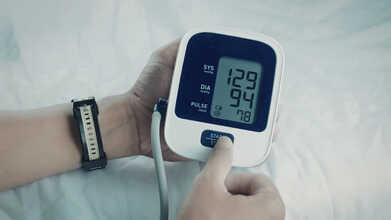
Before doing this, you will need to regularly monitor your blood pressure at home while still on medication and share those readings with your doctor. If your numbers stay consistently at the lower end of the normal range while on treatment, such as around 115/80 mmHg or lower, your doctor may consider gradually reducing your dependence on medication.
Disclaimer: This information is meant for general awareness only and should not be treated as medical advice. Blood pressure medications affect each person differently, and stopping or changing your dose without proper medical guidance can be dangerous. Always speak to a qualified doctor or healthcare provider before starting, adjusting, or discontinuing any medication.
- Follow Us :


© 2024 Bennett, Coleman & Company Limited