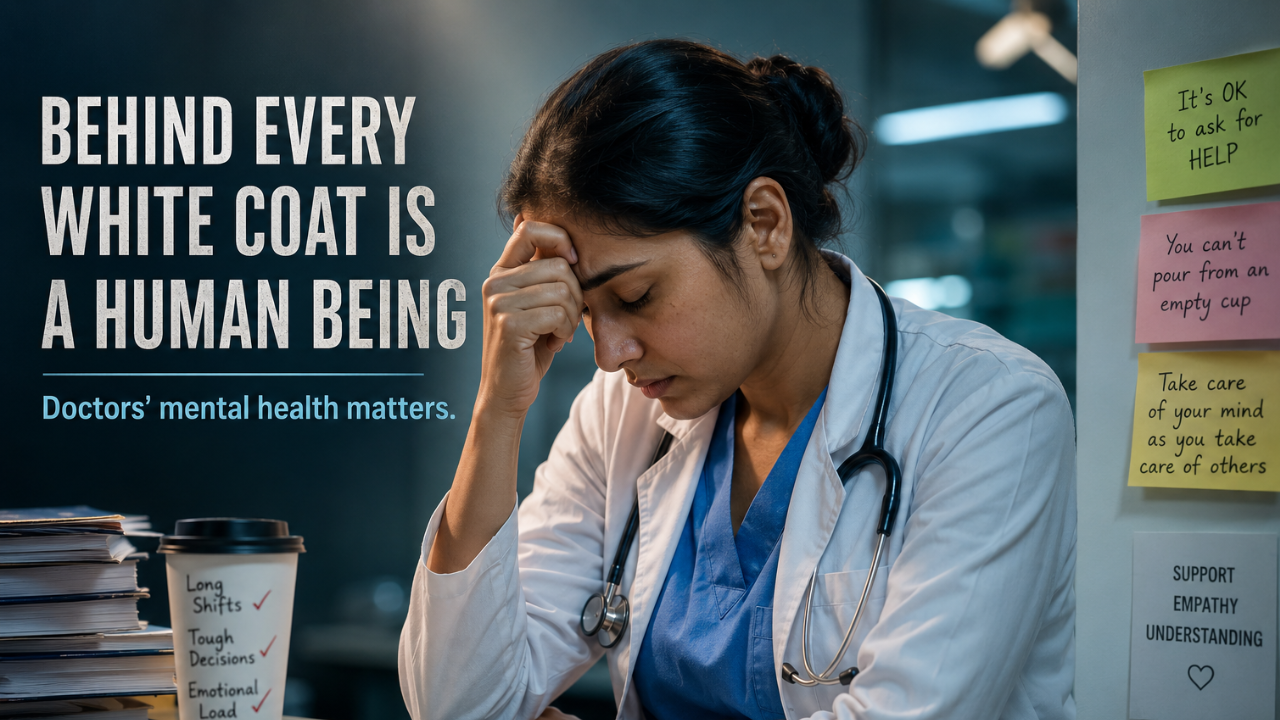
On Doctors Day, along with celebrating the valuable contribution and role of doctors, it is also important to take a look at what goes on beyond operation theatres and surgical masks. Amid increasing instances of doctors seeking mental health support, we take a look at what is pushing doctors to seek mental health care. Why Burnout In Doctors Needs To Be Addressed? HealthandMe spoke to Neha Cadabam, Senior Psychologist & Executive Director, Cadabam's Hospitals, and Dr. Jagadeesh P.C, Senior Orthopaedic Surgeon and Robotic Joint Replacement at Kauvery Hospitals & Joss Center, about increasing burnout, stress, anxiety, and other mental health issues among doctors in various specialties. Doctors face grueling work schedules that entail long work hours, demanding patient care, and constant vigilance to provide the best service. Neha Cadabam explains, “Doctors are often expected to remain composed, resilient, and emotionally available regardless of the circumstances they face. However, the emotional demands at their profession can accumulate over time.” Also read: Serena Williams Lost 34 Pounds With The Help Of A GLP-1 Drug But It’s Not Ozempic She also said that long working hours, repeated exposure to suffering and death, difficult clinical decisions, medico-legal concerns, workplace violence, and the constant pressure to avoid errors can create a significant psychological burden. Dr. Jagadeesh P.C sheds light on how doctors in the orthopedics specialty face constant physical and emotional stress. He says that as orthopedicians mostly handle traumas and accidents, they undergo added stress due to emergencies and constant patient care. He says, “Surgeons and physicians work in high-pressure environments where critical decisions need to be made quickly, often after long hours in operating rooms, emergency departments, clinics, and wards. The responsibility of restoring mobility, managing trauma cases, handling complications, and supporting patients through recovery can be deeply demanding.” He also said that doctors frequently work through physical fatigue, irregular schedules, sleep deprivation, and the emotional weight of patient outcomes. In specialties such as orthopaedics, where many cases involve trauma, pain, disability, and long recovery journeys, the responsibility extends well beyond the operating theatre. According to the experts, doctors are mainly seeking mental health care for: Emotional exhaustion Burnout Sleep disturbances Chronic stress Anxiety Compassion fatigue Neha Cadabam says, “Many doctors find it difficult to acknowledge their own emotional struggles because medicine has traditionally valued endurance and self-sacrifice. Seeking help is often perceived as a sign of weakness when, in reality, it reflects insight and self-awareness.” Also read: Ebola Scare In UK: Suspected Patient At Glasgow Hospital Tests Negative A Look At Stark Reality In a real-life case, a 38-year-old emergency medicine specialist sought mental health support after years of managing trauma cases, and long shifts led to burnout, anxiety, compassion fatigue and sleep problems. After psychotherapy and stress management, the doctor reported improved sleep, reduced anxiety, and better work-life balance. In another situation, a 45-year-old obstetrician and gynaecologist sought help for burnout, chronic stress, and anxiety caused by the demands of high-risk pregnancies, emergency procedures, and medico-legal pressures. Therapy helped improve emotional wellbeing, sleep, and the ability to disconnect from work outside hospital hours. Heal The Healers Doctors are often seen as symbols of resilience, but the misplaced resilience is taking a toll on their mental health. Acknowledging that doctors experience stress, anxiety, and emotional fatigue is not commentary on their professionalism. Dr Jagadeesh P.C says, “The well-being of doctors is closely linked to the quality of care they provide. As healthcare systems evolve, there is a growing need to create environments that support the physical and emotional well-being of medical professionals. On Doctor's Day, it is important to recognize not only the dedication of doctors but also the immense pressures they navigate every day while caring for others." As conversations around mental health continue to gain exposure, experts say supporting doctors' psychological wellbeing should become an integral part of strengthening healthcare systems.