
- Health Conditions A-Z
- Health & Wellness
- Nutrition
- Fitness
- Health News
- Ayurveda
- Videos
- Medicine A-Z
- Parenting
Does Drinking Cold Water Help With High Blood Pressure? Expert Reveals
Credits: Canva
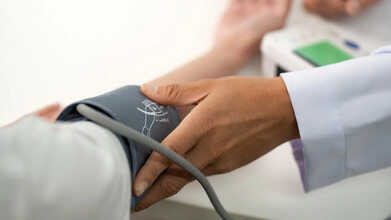
Consuming enough water each day plays an important role in keeping the body working as it should. It helps digestion and metabolism, supports temperature control, aids waste removal, and keeps organs and tissues in good condition. Still, whenever blood pressure rises, many people look for quick fixes, and one of the most common questions is whether drinking cold water can calm the numbers.
The idea sounds straightforward, but the body reacts to cold in more layered ways. Knowing how cold water influences the heart and blood vessels can help separate fact from assumption. To understand this better, we spoke with Dr Rajeev Chowdry, Director of Internal Medicine at Yatharth Super Speciality Hospital, Sector 20, Faridabad.
Can Cold Water Help With Blood Pressure?
Cold water may bring down blood pressure for a brief period. Drinking chilled water can activate the vagus nerve in some individuals, which slows the heart rate and leads to a short-lived drop in blood pressure. The body also triggers a “diving reflex” when exposed to cold, such as splashing cold water on the face, and this can cause a similar short-term response.
Dr Rajeev explained, “Cold water may lower blood pressure for a small amount of time, but not enough to replace someone’s prescribed treatment for hypertension or to be trusted as a method to manage the condition.” He added that for certain people, cold exposure might have the opposite effect, causing blood vessels to tighten and raising blood pressure instead.
Blood Pressure: Who Is Most At Risk?
According to Dr Rajeev, some groups are more vulnerable to a rise in blood pressure, added strain on the heart, or other problems linked to sudden cold exposure:
- High Blood Pressure (Hypertension) — Cold temperatures narrow blood vessels, which can push blood pressure even higher and raise the risk of stroke or heart attack.
- Older Adults — With age, arteries become less flexible, making it harder for the body to adjust to sudden changes in temperature.
- People With Heart-related Health Issues — Cold exposure can place extra demand on the heart by raising blood pressure, changing heart rate in some cases, and reducing blood flow to the heart as blood vessels tighten. This may trigger chest pain for some individuals.
- Patients With Arrhythmias — Those with irregular heart rhythms may experience worsening symptoms, particularly with sudden contact with cold water.
- Individuals On BP-lowering Medication — Some may feel dizzy, lightheaded, or rarely faint if very cold conditions combine with medication that lowers blood pressure.
In summary, while water alone will not manage high blood pressure, staying well hydrated supports overall health and may contribute to better long-term blood pressure control. Anyone making changes to their routine should check with a healthcare professional, especially those already dealing with medical conditions or concerns about their blood pressure.
HPV Vaccine Can Protect Against Cervical Cancer for Up to 18 Years: Study
Credit: Canva
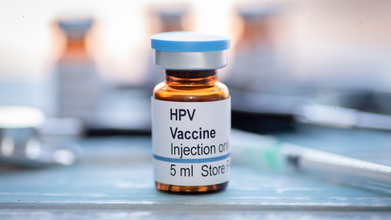
Even as India is working to roll out a free Human papillomavirus (HPV) vaccination campaign to curb cervical cancer risk, a new global study today revealed that the shot offers sustained protection for up to 18 years.
HPV is one of the most common sexually transmitted infections, and many countries offer vaccination to protect girls against cervical cancer and other related cancers in later life.
The study from Sweden, published by The BMJ, based on 926,362 girls and women between 2006 and 2023, showed that girls vaccinated before age 17 had a substantially (79 percent) lower risk of cervical cancer.
"This study provides evidence of sustained protection against invasive cervical cancer throughout 18 years of follow-up, with no indication of waning protection," said corresponding author Shiqiang Wu, doctoral student at the Department of Medical Epidemiology and Biostatistics, Karolinska Institutet.
"These findings further support global strategies for eliminating cervical cancer as a public health problem by achieving high coverage of routine HPV vaccination," Wu added.
Early HPV Vaccination Boosts Protection
In the study, 40 percent of participants had received at least one dose of the quadrivalent HPV vaccine.
Of 930 cases identified of invasive cervical cancer, 97 were in vaccinated individuals, while 833 were among the unvaccinated.
Vaccination before age 17 offered higher protection -- 79 percent -- against cervical cancer compared with the unvaccinated group. The protection was sustained with 77 percent lower risk for over 15 years after vaccination, the researchers said.
On the other hand, women vaccinated at age 17 or older had a 37 percent lower risk of invasive cervical cancer compared with the unvaccinated group. Vaccination at an older age led to a 46 percent lower risk of cervical cancer -- about 10–12 years.
The results also show a population-level decline in cervical cancer cases over time.
India's Nationwide Free HPV Vaccine Campaign
Cervical cancer remains the second most common cancer among women in India, with nearly 80,000 new cases and over 42,000 deaths reported annually.
The new nationwide HPV vaccination program will strengthen women's health and eliminate the risks of preventable cervical cancers in the country.
Vaccination under the national program will be voluntary and free of cost.
HPV Vaccine In India: Who Should Take, Where To Get It From
The nationwide program, based on expert recommendations of the National Technical Advisory Group on Immunization (NTAGI), will target girls aged 14 years.
At 14, the HPV vaccine offers maximum preventive benefit, well before potential exposure to the virus.
- Girls aged 9 to 14 should get two doses of the vaccine 6 to 12 months apart
- Women aged 15 to 26 years can get three doses in 0, 2, and 6 months apart
- Adults aged 27 to 45 must get it after consultation with their healthcare provider
The HPV vaccination will be conducted exclusively at designated government health facilities, including Ayushman Arogya Mandirs (Primary Health Centers), Community Health Centers, Sub-District and District Hospitals, and Government Medical Colleges.
Pregnancy And Heart Health: Understanding Blood Pressure Changes And Cardiac Risks

Credit: Canva
Pregnancy is a period of immense physiological change. While most people focus on visible transformations, the heart and blood vessels undergo some of the most significant adjustments.
The body of a woman increases blood volume by around 30-50 percent to support the growth of the baby. The heart works harder, pumping more blood every minute.
For most of the women, these changes are normal and well-tolerated. In some cases, fluctuations in blood pressure and underlying cardiac risks can pose some serious complications if not identified at an early stage.
Why Blood Pressure Changes During Pregnancy
Blood pressure does not remain the same throughout the pregnancy. In early pregnancy, it often drops slightly due to changes in hormones that relax the blood vessels. By the second and third trimesters, it may gradually rise again as the volume of blood increases. While mild variation is normal, high blood pressure requires careful monitoring.
After 20 weeks of pregnancy, gestational hypertension develops, which can also progress to preeclampsia -- a potentially dangerous condition characterized by high blood pressure, particularly impacting the liver and kidneys. If left untreated, it can also impact both maternal and fetal health.
Understanding Cardiac Risks In Pregnancy
During pregnancy, certain women are at higher risk of heart-related complications. These mainly include diabetes, obesity, thyroid disorders, kidney disease, or a history of heart problems. Even those women who are not suffering from any prior cardiac illness can also develop pregnancy-related heart conditions, such as peripartum cardiomyopathy.
Symptoms that should never be untreated mainly include severe headaches, sudden swelling of hands or face, chest pain, breathlessness at rest, palpitations, or persistent fatigue beyond the expected pregnancy-related tiredness. Certain complications can also be prevented through early medical evaluation.
Some of the symptoms that should never be ignored mainly include severe headaches, sudden swelling of hands or face, chest pain, breathlessness at rest, palpitations, or persistent fatigue beyond expected pregnancy-related tiredness. Early medical evaluation can prevent certain complications.
Impact On The Baby
Flow of blood to the placenta can be reduced through uncontrolled high blood pressure, leading to restricted growth of the fetus, preterm birth, or low birth weight.
Timely medical diagnosis and management significantly reduce these kinds of risks and improve the outcomes as well.
Prevention, Monitoring And Safe Management
Regular antenatal checkups are considered the cornerstone of prevention. Problems can also be detected through monitoring of blood pressure at each and every visit, and appropriate blood tests and ultrasound assessments as well.
Some other factors, such as a balanced diet, controlled salt intake, adequate hydration, moderate physical activity (as advised), and stress management, also play a significant role. With proper supervision and early medical intervention, most women with fluctuations in blood pressure can also have a safe pregnancy and healthy delivery.
Pregnancy is not only about nurturing a new life, but it is also about safeguarding the maternal heart health for the future.
How India’s New HPV Vaccine Drive Could Prevent 80,000 Cancer Deaths Every Year
Credit: Canva
Cervical cancer is still one of the most common cancers for women in India. It's mostly caused by a persistent infection with the Human Papillomavirus, or HPV for short.
This virus spreads through sexual contact and often doesn't show any symptoms early on. A lot of women don't even realize they have the virus until abnormal cell changes start to show up.
The World Health Organization says that cervical cancer is one of the most preventable cancers if people get vaccinated and screened on time.
Also Read: Woman Lost Weight On Mounjaro But Her Breasts Didn't Stop Growing, This Is Why...
In India, thousands of women still die every year because they're diagnosed late and don't have enough access to regular screening. That's where the new nationwide HPV vaccination drive is starting to make a difference.
Let’s Talk About The HPV Vaccine
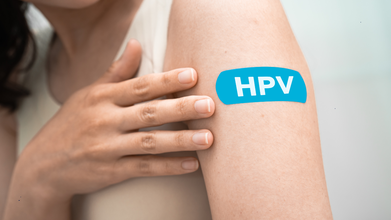
The HPV vaccine basically protects against the types of the virus that are most often linked to cervical cancer. You get it as a shot, and it works best if you get it before you're exposed to the virus, usually when you're a young teenager. But it can still help even if you get it later.
India's really pushing to get this vaccine out there, which is a big change in how they're handling public health. The idea is pretty straightforward and impactful: protect young girls before the virus can do any damage. By focusing on school-aged kids and making sure parents know about it, they're trying to fix a problem that's been around for ages.
Why Is This Drive So Important?
Cervical cancer doesn't just pop up overnight. It usually takes years for an HPV infection to turn into cancer. This long window gives us a chance to prevent it. Vaccination stops the infection at the start, and screening catches early cell changes before they get serious.
Public health experts think that if enough people get vaccinated, we could prevent up to 80,000 cancer deaths in India every year over time. That number isn't just a statistic. It's about saving the lives of mothers, daughters, and sisters with a simple preventive measure.
The vaccine has been studied a lot worldwide and has strong safety and effectiveness data. Countries with high vaccination rates are already seeing big drops in HPV infections and precancerous lesions.
Also Read: 15 States Sue Trump Administration Over Revised Vaccine Schedule
Busting Myths And Building Trust
Even though there's solid science behind vaccines, there's still a lot of wrong info out there. Some parents are concerned about safety or what might happen down the road. Others think getting vaccinated makes kids sexually active sooner, but studies don't back that up.
Getting the facts straight is super important for dealing with these worries. The HPV vaccine doesn't mess with fertility or hormones. It just teaches your body to fight off certain types of the virus.
Getting communities involved, having healthcare pros on board, and running educational campaigns are all crucial for building trust. When families learn that this vaccine can prevent cancer, more people are on board.
Beyond Shots: Screening Matters
Vaccination isn't the only answer. Women who are already sexually active still need regular cervical screening. Pap smears and HPV testing are still super important for catching things early. India's bigger plan includes making screening programs at primary healthcare centers stronger. When vaccination and screening work together, the impact gets way bigger.
Getting Closer To Wiping Out Cancer
The World Health Organization wants to get rid of cervical cancer as a public health issue this century, and India's vaccination plan fits right in with that big goal.
This isn't just about medicine; it's about really caring for women's health and stopping problems before they start. In a country where getting cancer treatment can be tough, prevention is our best bet.
Cervical cancer is mostly preventable. If we keep vaccinating, have good screening, and make sure everyone knows the facts, we could save thousands of lives every year. This campaign is a huge step towards a future where cervical cancer is rare, not something we just expect.
- Follow Us :


© 2024 Bennett, Coleman & Company Limited