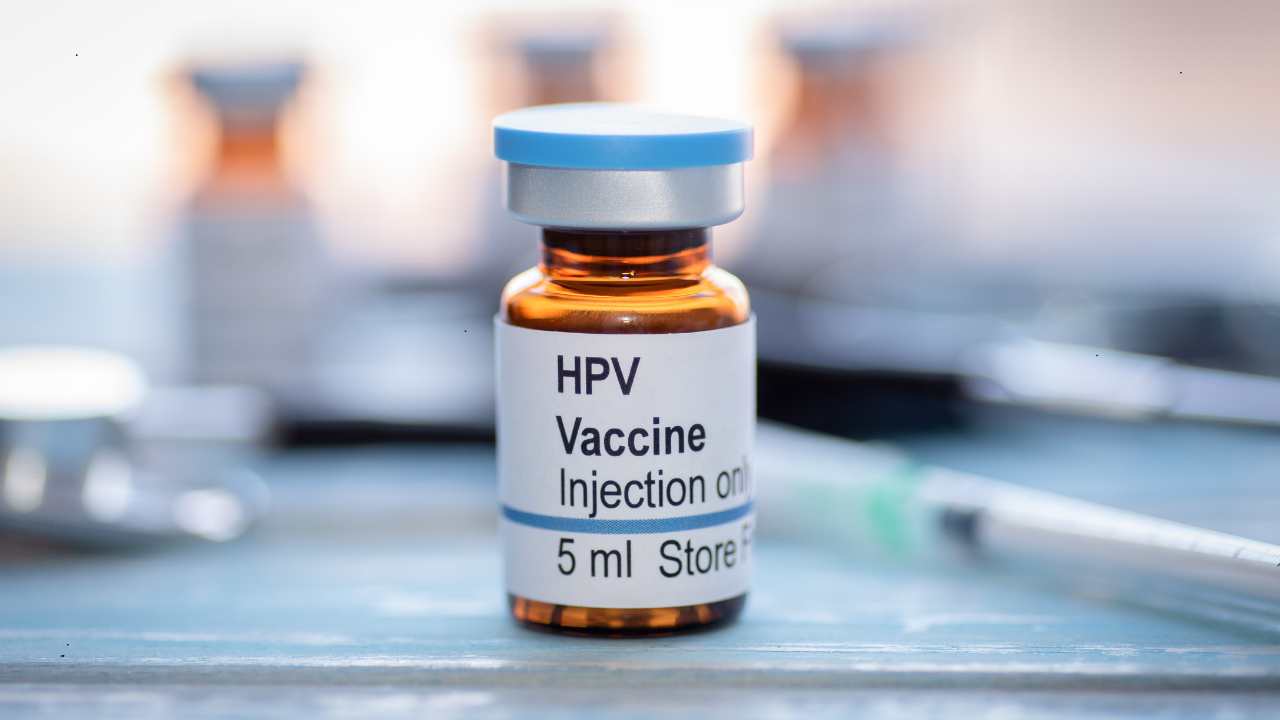
Even as India is working to roll out a free Human papillomavirus (HPV) vaccination campaign to curb cervical cancer risk, a new global study today revealed that the shot offers sustained protection for up to 18 years. HPV is one of the most common sexually transmitted infections, and many countries offer vaccination to protect girls against cervical cancer and other related cancers in later life. The study from Sweden, published by The BMJ, based on 926,362 girls and women between 2006 and 2023, showed that girls vaccinated before age 17 had a substantially (79 percent) lower risk of cervical cancer. "This study provides evidence of sustained protection against invasive cervical cancer throughout 18 years of follow-up, with no indication of waning protection," said corresponding author Shiqiang Wu, doctoral student at the Department of Medical Epidemiology and Biostatistics, Karolinska Institutet. "These findings further support global strategies for eliminating cervical cancer as a public health problem by achieving high coverage of routine HPV vaccination," Wu added.Early HPV Vaccination Boosts ProtectionIn the study, 40 percent of participants had received at least one dose of the quadrivalent HPV vaccine. Of 930 cases identified of invasive cervical cancer, 97 were in vaccinated individuals, while 833 were among the unvaccinated. Vaccination before age 17 offered higher protection -- 79 percent -- against cervical cancer compared with the unvaccinated group. The protection was sustained with 77 percent lower risk for over 15 years after vaccination, the researchers said. On the other hand, women vaccinated at age 17 or older had a 37 percent lower risk of invasive cervical cancer compared with the unvaccinated group. Vaccination at an older age led to a 46 percent lower risk of cervical cancer -- about 10–12 years. The results also show a population-level decline in cervical cancer cases over time. India's Nationwide Free HPV Vaccine CampaignCervical cancer remains the second most common cancer among women in India, with nearly 80,000 new cases and over 42,000 deaths reported annually.The new nationwide HPV vaccination program will strengthen women's health and eliminate the risks of preventable cervical cancers in the country.Vaccination under the national program will be voluntary and free of cost. HPV Vaccine In India: Who Should Take, Where To Get It FromThe nationwide program, based on expert recommendations of the National Technical Advisory Group on Immunization (NTAGI), will target girls aged 14 years.At 14, the HPV vaccine offers maximum preventive benefit, well before potential exposure to the virus.Girls aged 9 to 14 should get two doses of the vaccine 6 to 12 months apartWomen aged 15 to 26 years can get three doses in 0, 2, and 6 months apartAdults aged 27 to 45 must get it after consultation with their healthcare providerThe HPV vaccination will be conducted exclusively at designated government health facilities, including Ayushman Arogya Mandirs (Primary Health Centers), Community Health Centers, Sub-District and District Hospitals, and Government Medical Colleges.