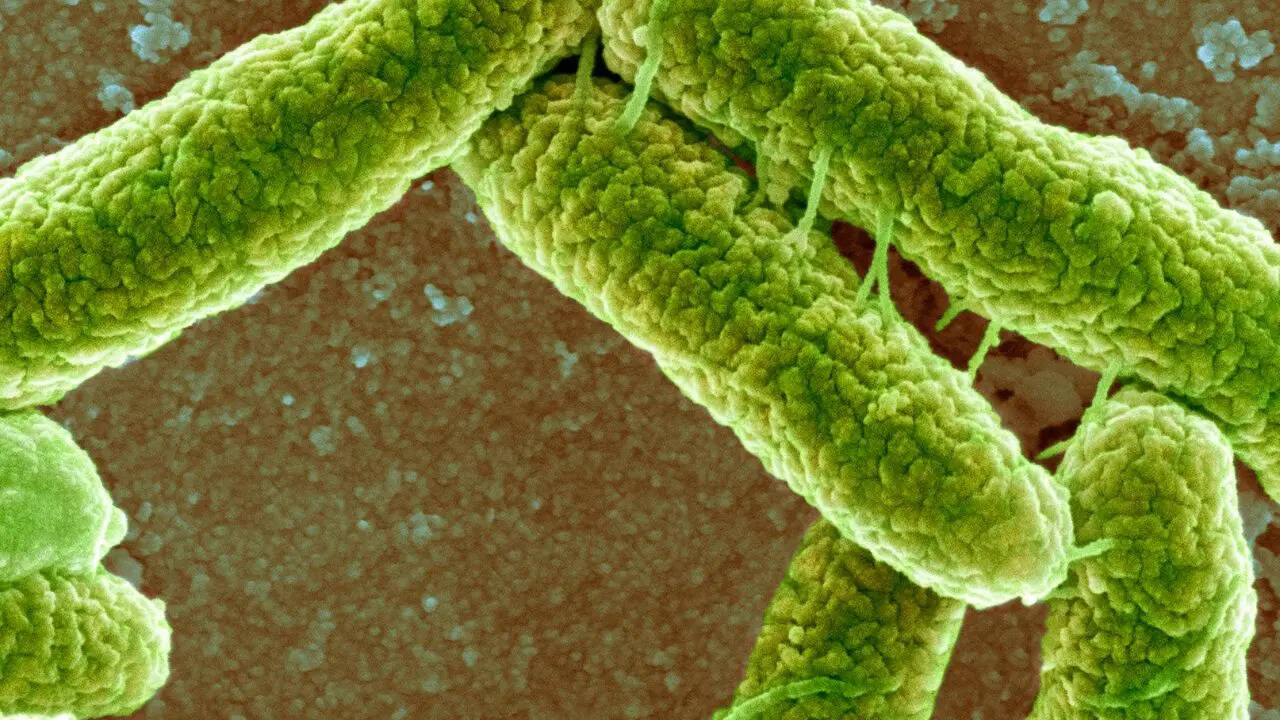
Following the water contamination emergency in Indore, similar concerns have now surfaced in Madhya Pradesh’s capital. Groundwater samples collected from four locations in Bhopal have tested positive for E. coli bacteria. In response, the Bhopal Municipal Corporation has barred residents from using groundwater for any purpose.Officials clarified that the contamination is restricted to underground water sources and has not spread to the treated piped water supplied across the city. According to ANI, civic teams have tested 1,810 water samples so far and inspections are still underway in all zones.E. coli was the same bacteria responsible for Indore’s recent water crisis, which claimed 20 lives, including that of a five-month-old infant. As per a report by Dainik Bhaskar, fear has gripped several neighbourhoods in Bhopal, with residents hesitant even to touch the water. Locals say the water is unfit not only for drinking but also for washing hands, utensils, or bathing. In some areas, tap water reportedly turns reddish within minutes and emits a strong, foul smell. Adding to the concern, iron levels in the water are said to be nearly 100 times above permissible limits.Here is what you need to know about E. coli, how it spreads, its symptoms, and ways to stay safe.What Is E. Coli Bacteria?Escherichia coli, commonly known as E. coli, refers to a group of bacteria that naturally live in the intestines of humans and animals. Most of these strains are harmless and even play a role in digestion. However, certain types can trigger illness when they enter parts of the body where they do not belong or release harmful toxins.These disease-causing strains attach themselves to body cells and produce toxins, leading to infection and inflammation.What Happens During An E. coli Infection?An E. coli infection occurs when harmful strains of the bacteria enter the body. It most often affects the digestive system, causing symptoms such as watery diarrhoea, abdominal pain, and gastroenteritis. In some cases, the bacteria can also infect the urinary tract.Certain strains produce Shiga toxin, which can lead to severe complications, including kidney damage, especially in children and older adults.Why E. coli Infections Occur?E. coli has many strains. While some support gut health, others can cause serious illness. Experts classify the harmful types based on how they attach to cells and the toxins they release. Several strains are known to cause diarrhoeal diseases, including:Shiga toxin-producing E. coli (STEC)Enterotoxigenic E. coli (ETEC)Enteropathogenic E. coli (EPEC)Enteroaggregative E. coli (EAEC)Enteroinvasive E. coli (EIEC)Diffusely adherent E. coli (DAEC)Other important strains include uropathogenic E. coli, which is a common cause of urinary tract infections, and E. coli K1, which can lead to meningitis in newborns, according to the Cleveland Clinic.Common Signs Of E. coli InfectionAn infection affecting the gut often begins with digestive symptoms. These may include:Diarrhoea that is watery and sometimes blood-stainedAbdominal pain and crampingReduced appetiteMild feverThe Cleveland Clinic notes that watery diarrhoea is usually the earliest symptom when the gastrointestinal tract is involved. Symptoms can vary depending on which part of the body is infected.How To Protect Yourself From E. Coli?Preventing E. coli infection largely depends on basic hygiene and safe food practices. Since the bacteria spreads through contaminated food, water, and faecal matter, simple precautions can lower the risk significantly.Maintain hand hygieneWash hands thoroughly with soap and water for at least 20 seconds before eating or cooking, after using the toilet, changing diapers, or handling animals. Proper handwashing removes bacteria and limits its spread.Practice safe food handlingUse separate cutting boards and utensils for raw meat and ready-to-eat foods. Clean kitchen surfaces and tools with hot, soapy water after each use. Keep raw meat away from fruits and vegetables to avoid cross-contamination.Cook food completelyGround meat should be cooked to at least 160°F or 71°C, while poultry needs to reach 165°F or 74°C. Using a food thermometer ensures food is properly cooked and free from harmful bacteria.Clean fruits and vegetablesWash all produce under running water just before consumption, even if you plan to peel it. This helps remove bacteria picked up from soil or contaminated irrigation water.Choose safe drinksConsume only pasteurised milk and juices, and rely on boiled or treated municipal water. Avoid unpasteurised products and untreated water, as pasteurisation effectively eliminates dangerous E. coli strains.