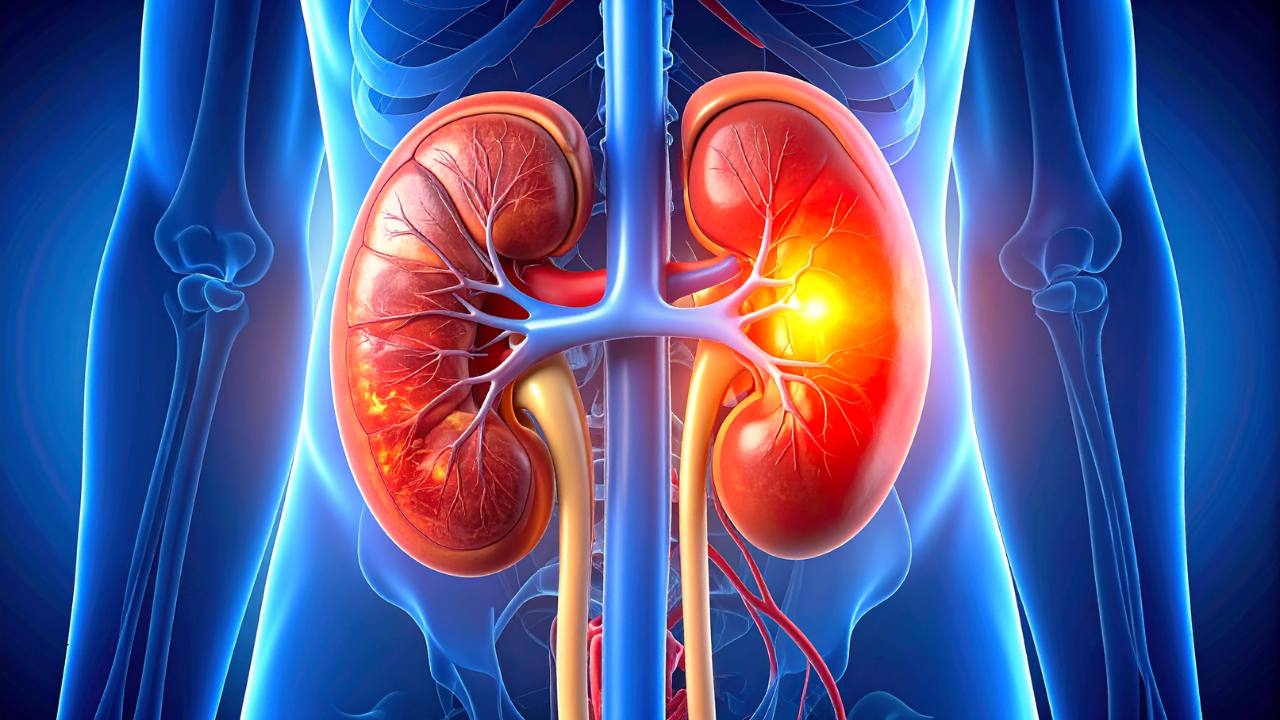
People who survived a COVID-19 infection can be at significant risk for kidney disease, acute kidney injury, and chronic kidney disease. compared to individuals who were not infected, according to a study. The study, published online in the journal Communications Medicine, revealed that COVID patients have a 2.3-times higher risk of acute kidney injury a 1.4-times higher risk of chronic kidney disease a 4.7 times higher risk of kidney failure“While we’re in the post-pandemic era, this shows that COVID-19 history is an important variable when considering the long-term impact of the infection on kidney function and disease,” said first author Yue Zhang, who was at Pennsylvania State University, US, while conducting the study. Zhang is currently a postdoctoral scholar at Johns Hopkins Bloomberg School of Public Health. How Was The Study Conducted? For the study, data on over 3 million working-age adults in the United States were analyzed. The team compared the effect of influenza, another common viral infection that affects kidney health, and people with a history of COVID infection on kidney infections. Using a machine learning model, the individuals were followed between 180 and 540 days for the emergence of new acute or sudden kidney disease. The results showed that: Both COVID and the flu can worsen kidney health Flu caused a mild and temporary effectCOVID increased the risk of acute kidney injury for a longer durationCOVID survivors developed kidney disease within a few hours to a few daysCOVID patients had a longer-term chronic and end-stage kidney disease. How COVID Worsens Kidneys HealthThe Penn State researchers explained that kidney cells express high levels of the primary protein receptors that SARS-CoV-2 uses to enter and infect cells. Kidney cells also produce specialized enzymes that help viruses enter cells. According to Kidney Health Australia, an acute COVID infection can impact the kidneys with fevers and respiratory symptoms, and/or worsening blood sugar control.The US National Institutes of Health stated that renal dysfunction is an increasing clinical indicator of COVID propagation. Citing several studies, the NIH said that the most common clinical manifestation is proteinuria -- found in more than half of the COVID patients. In addition, hematuria, elevated blood urea nitrogen, and elevated serum creatinine are other common features in Covid survivors with poor kidney health. Nasr Ghahramani, Professor of Medicine at Penn State College of Medicine, stressed the need for COVID survivors, especially those with diabetes and high blood pressure, to take "more frequent and more prolonged monitoring of their kidney function" to enable early detection and better outcomes.