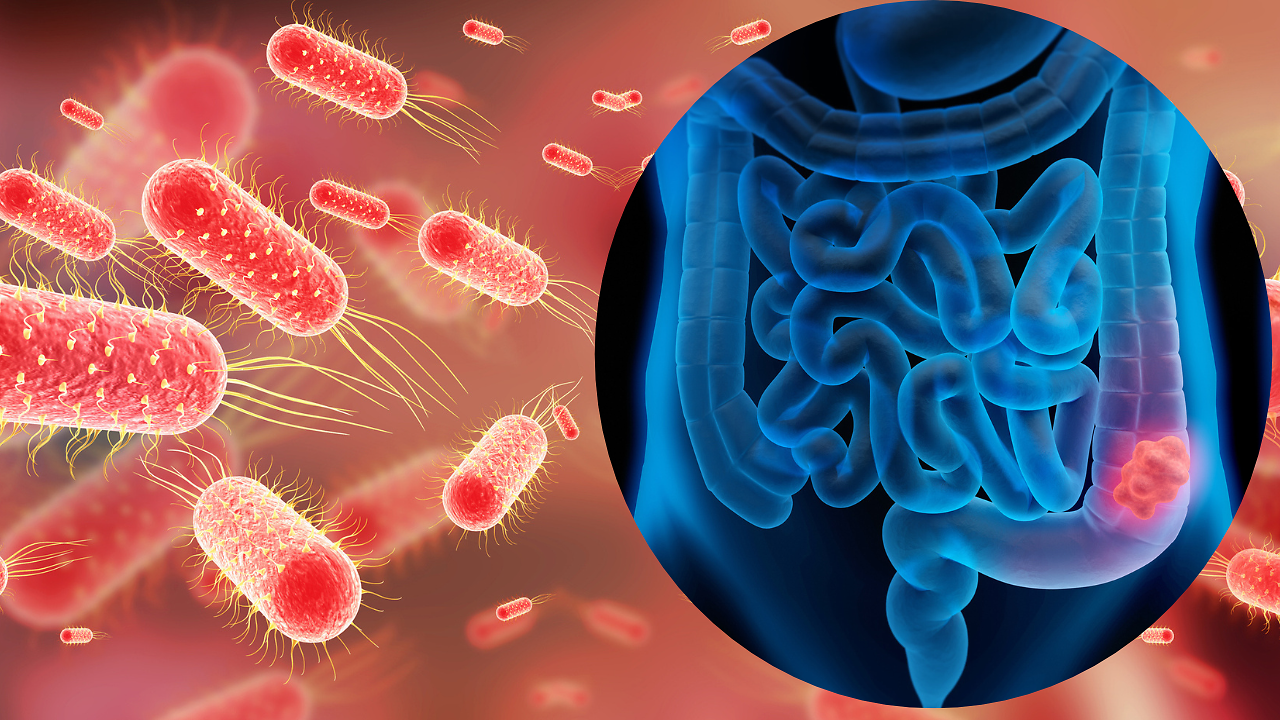
A toxin produced by certain strains of E. coli, commonly associated with food poisoning, has emerged as a leading suspect behind rising bowel cancer cases among people under 50, UK scientists have told British MPs.Speaking to the Science and Technology Committee, Dr Karl Smith-Byrne, a senior molecular epidemiologist at the University of Oxford, said exposure to the toxin could help explain the rise in early-onset bowel cancer.Obesity, ultra-processed foods, smoking and alcohol are established risk factors, but scientists believe they may explain only around half of the cases.In the UK, bowel cancer diagnoses among under-50s are around 50% higher than they were 30 years ago. What Is The E. Coli Toxin Linked To Bowel Cancer?Also read: ICMR Flags Widespread Antibiotic Resistance Across India: From E. coli To Typhoid, Which Drugs Are Failing?E. coli can spread through contaminated food or water, contact with animals and transmission between people. It is a major cause of food poisoning in the UK, with around 44,000 people in Britain experiencing a significant infection last year.Dr Smith-Byrne pointed to colibactin, a toxin produced by certain strains of E. coli living in the gut responsible for bowel cancer not all, the Daily Mail reported.Research published last year identified colibactin as a potential driver of early-onset colorectal cancer. The toxin damages DNA, creating mutations that may contribute to cancer development.These characteristic mutations were more than three times as common in tumours from people under 40 than in those from people over 70."If it is causing [DNA] mutations, it's causing mutations at a sensitive period earlier in life," said Dr Smith-Byrne, a survivor of early-onset rectal cancer."That can give that person's colon or their rectum a head start on its journey towards being cancerous or developing these tumours."Dr Smith-Byrne told MPs that increased exposure to colibactin was "probably the leading explanation at the moment".How Could Colibactin Increase Bowel Cancer Risk?Read More: AI Creates 16 Viruses To Kill Drug-Resistant E. coli, Raises Biosafety ConcernsScientists suspect early-life exposure to colibactin could leave lasting DNA damage in bowel cells, increasing cancer risk decades later.Professor Elio Riboli, a cancer epidemiologist at Imperial College London, told MPs that colibactin-producing E. coli strains are typically found in people born after 1960."Something has happened in the E. coli bacteria," he said. "There must have been a mutation, and there is a new bacteria."Professor Helen Coleman, a cancer epidemiologist at Queen's University Belfast, called colibactin "the first new clue that we've had in quite some time".She cautioned that exposure could occur much earlier than the eventual cancer diagnosis."Even though we're talking about adults that are being diagnosed with cancer between 18 and 49, it's quite likely to be very early life exposures," she said."It could be something you were exposed to in very early childhood, possibly even in the prenatal period, and that makes it very difficult to study."Can Bowel Cancer Risk Be Reduced? Bowel cancer is the third most common cancer worldwide, accounting for approximately one in 10 cancer cases. Also known as colorectal cancer, it starts in the large intestine (colon) or rectum. It often develops from small growths called polyps on the inner lining of the bowel, which can turn cancerous over time.Symptoms of bowel cancer can easily be mistaken for common digestive complaints, making early diagnosis challenging. Symptoms to be aware of include:Persistent constipation or alteration in bowel habitsBlood in stool or rectal bleedingAbdominal pain, bloating, or a palpable lumpUnintentional weight loss or weakness.While researchers investigate colibactin, experts recommend following established ways to reduce bowel cancer risk.Professor Riboli said a fibre-rich diet, regular physical activity, limiting alcohol, stopping smoking and reducing red and processed meat consumption can help."The quick win could come from applying what we know," he said. "We could prevent about 60 per cent of the cancers occurring now, but we are not applying in society what we know."