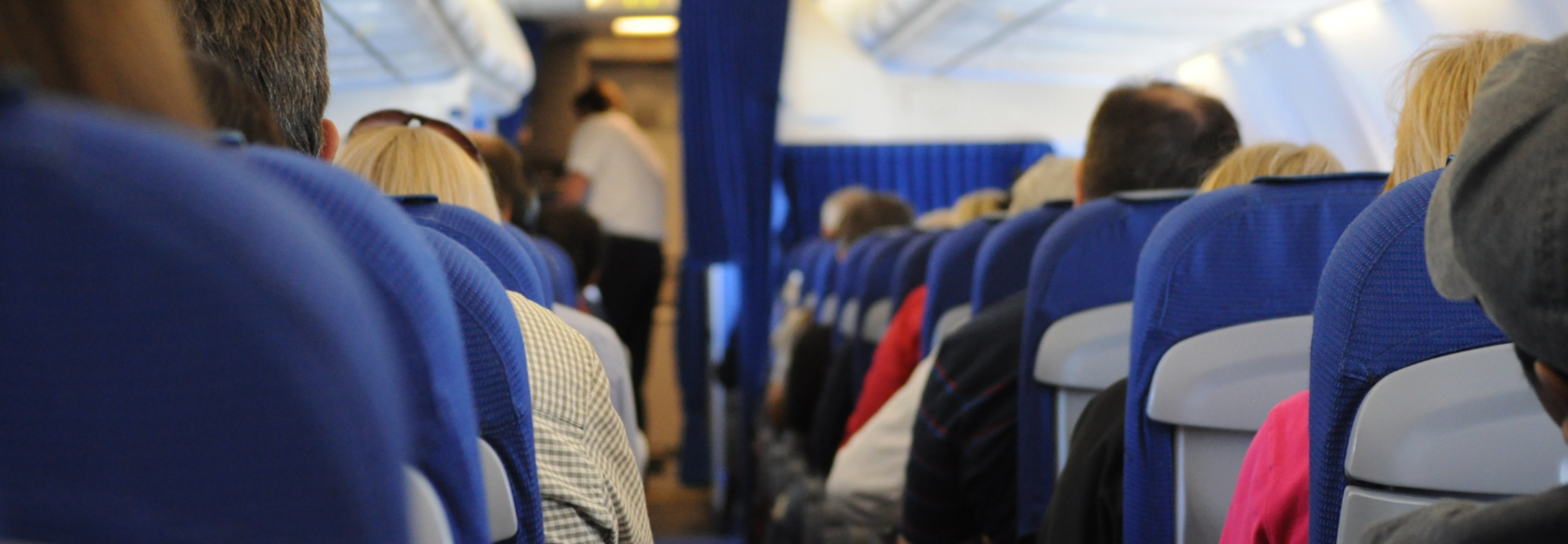
Blood circulation plays a critical role in the overall health of the human body. It ensures that oxygen, nutrients, and waste products are properly transported throughout your body, reaching every cell and tissue. Good circulation supports proper organ function, a healthy heart, and quick recovery from injuries. However, when circulation is compromised, it can lead to serious health issues, including deep vein thrombosis (DVT). One situation where circulation is often at risk is during long-haul flights.What is Deep Vein Thrombosis (DVT)?Deep vein thrombosis, or DVT, occurs when a blood clot forms in the deep veins of the body, typically in the legs or pelvis. The condition can be life-threatening, as these clots can break loose and travel to the lungs, resulting in a pulmonary embolism. This condition blocks the lung artery, reducing the amount of oxygen in the bloodstream and potentially causing death. According to experts, around 1 million Americans are diagnosed with DVT each year, with as many as 100,000 deaths resulting from the condition. While anyone can develop DVT, certain factors, like extended periods of sitting or immobility, increase the risk.Flying, particularly in economy class, can increase the risk of developing DVT. Known colloquially as "economy class syndrome," DVT is most often associated with long-haul flights where passengers remain seated in cramped spaces for extended periods. The term was coined because people sitting in economy class have less legroom and are less likely to move around. Dr. Pinakin V. Parekh, a cardiologist at Singapore’s Harley Street Heart and Vascular Centre, states that people flying in business or first class are less likely to develop DVT because they have more space to move about and stretch their legs. However, DVT does not discriminate by cabin class. It is caused by prolonged immobility, regardless of where you sit. Dr. Parekh warns, “It can be the only flight of your life if you decide not to move.”Prolonged immobility causes blood to pool in the lower parts of the body, leading to the formation of blood clots. Long-haul flights amplify this risk because passengers often remain seated for hours without moving, drinking water, or stretching. Dehydration, common on flights, further worsens circulation, increasing the likelihood of a clot.The stereotype of the high-risk flyer involves someone who boards a flight after a caffeine boost, drinks alcohol, and then sleeps for hours without moving. This inaction, combined with dehydration, puts the flyer at risk of DVT.Symptoms of DVTOne of the challenges of diagnosing DVT is that some people show no symptoms at all, making the condition even more dangerous. For those who do experience symptoms, the most common ones include:- Swelling in the affected limb (typically the leg)- Pain or tenderness in the leg, especially when standing or walking- Warmth in the affected area- Changes in skin color, such as redness or a bluish tintIf you notice any of these symptoms after a flight or long period of sitting, it’s essential to seek medical attention immediately. Untreated DVT can lead to a fatal pulmonary embolism.Risk Factors for DVTWhile anyone can develop DVT, certain factors can elevate your risk. These include:- Long flights, extended car rides, or hours spent seated without movement.- Excess weight puts extra pressure on the veins in the legs, increasing the risk of clot formation.- Smoking damages the lining of blood vessels, making clots more likely.- Increased pressure on veins during pregnancy can lead to poor circulation and clot formation.- Certain medications, like birth control pills or hormone replacement therapy, can increase the likelihood of clotting.- Individuals with heart disease are at higher risk for DVT.- Having a personal or family history of blood clots increases the chances of developing DVT.How to Avoid Blood Clots (DVT) on Your Next FlightAlthough long flights increase the risk of DVT, there are several simple strategies to help prevent it:1. Move Frequently: As Dr. Robert Lookstein from Mount Sinai Health System advises, the key to reducing your risk is movement. “Anytime you are traveling, you should be up and moving every two hours or so,” he explains. On a flight, take a walk down the aisle, stretch your legs, or stand up to prevent blood from pooling. 2. Choose an Aisle Seat: Dr. Parekh suggests booking an aisle seat, which allows you to stand up and move more easily during the flight. It’s more convenient than sitting in the middle or window seat where you might feel uncomfortable disturbing other passengers.3. Stay Hydrated: Dehydration thickens the blood and increases the likelihood of clot formation. Drink plenty of water before and during your flight. Avoid alcohol and caffeine, which can contribute to dehydration.4. Wear Compression Stockings: Compression stockings are designed to help blood circulate more effectively in the legs, reducing the risk of clots. These are especially beneficial for those with a history of DVT or who are at higher risk.5. Perform Seated Exercises: Even if you can’t get up, you can improve circulation by doing small exercises in your seat. Circle your ankles, point and flex your feet, or raise your knees. These exercises help activate muscles and keep blood moving.6. Avoid Crossing Your Legs: Crossing your legs can restrict blood flow and increase the risk of clot formation. Keep your legs uncrossed and in a comfortable position during the flight.Blood circulation is essential for maintaining overall health, but situations like long-haul flights can put it at risk. By following preventive measures such as moving frequently, staying hydrated, and wearing compression stockings, you can significantly reduce your chances of developing deep vein thrombosis during air travel. If you experience any symptoms of DVT, seek immediate medical attention to avoid potentially life-threatening complications.