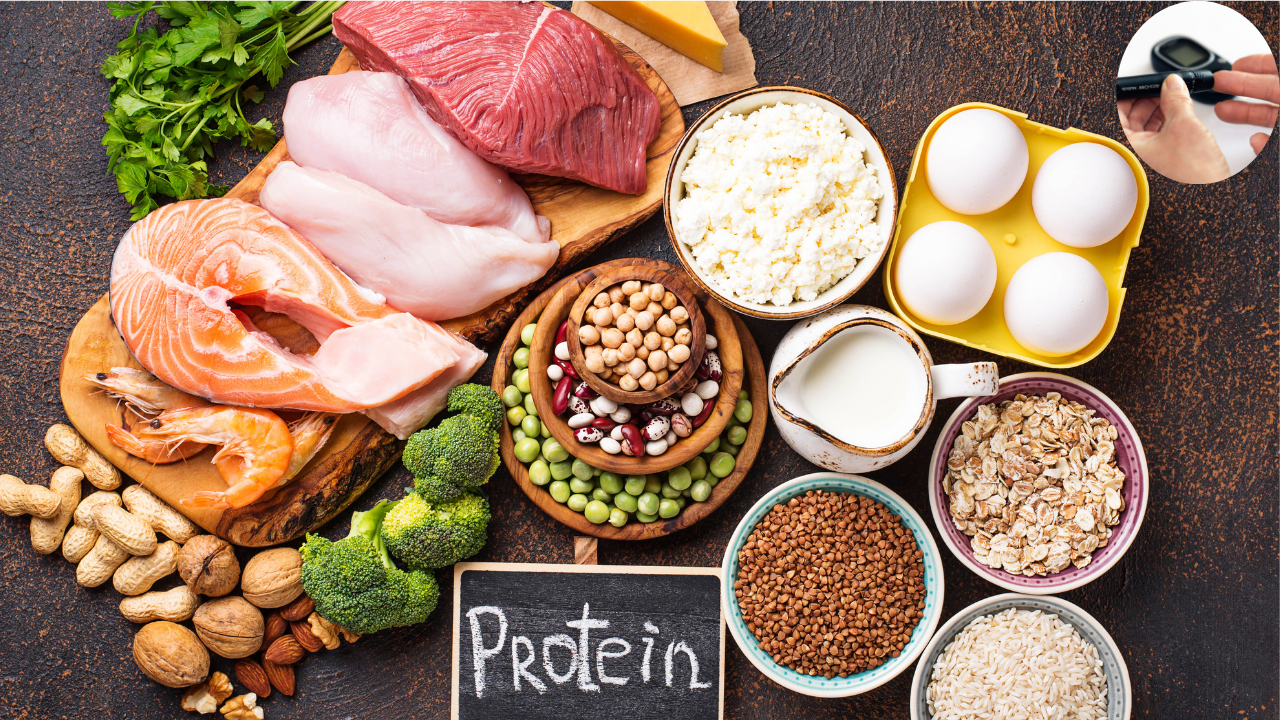
On most clinic days, I meet patients who are doing what they believe is “everything right” for their diabetes—avoiding sweets, switching to brown rice, walking regularly. Yet their blood sugar remains stubbornly high, and complications quietly advance. When we look closer, the problem is often not just what they are cutting out, but what they are missing.This is where the story changes. In the larger conversation on diabetes, protein rarely takes center stage. But it should. India’s Diabetes Burden: Looking Beyond Sugar India continues to carry one of the world’s largest burdens of Type 2 diabetes. Urban lifestyles, reduced physical activity, and easy access to refined carbohydrates have all played their role. Public messaging has, understandably, focused on reducing sugar intake. But diets are not built on sugar alone. In countless Indian homes, especially those of vegetarians and people with limited means, the bulk of the diet revolves around cereals. Rice, wheat, or millets dominate the plate. Protein, on the other hand, tends to be an afterthought. This creates a subtle but important imbalance: a high intake of carbohydrates coupled with insufficient protein. It's a problem that seldom gets much attention, yet it has a profound impact on metabolic health. Understanding the Real Culprit: Insulin Spikes To grasp the significance, let's break down the post-meal process. Eating foods high in carbohydrates, particularly those that are refined, causes a swift influx of glucose into the bloodstream. The body's response is to release insulin, a hormone that facilitates the transport of glucose into cells. While occasional spikes are perfectly normal, frequent and repeated ones put a strain on the system.As the years pass, our cells start to ignore insulin's signals. This phenomenon, insulin resistance, is the primary problem in Type 2 diabetes. In response, the pancreas kicks into overdrive, cranking out extra insulin to try to keep up. However, this increased demand takes its toll. This slow decline in pancreatic function is what fuels the disease's advancement and opens the door to further health issues. Also read: Diabetes Diet Plan: South Indian Breads That Are Better Than RotiProtein: The Quiet Regulator Now, where does protein fit into this? Protein does not cause sharp rises in blood sugar. In fact, when included in meals, it acts as a natural regulator. It slows down how quickly the stomach empties, meaning glucose enters the bloodstream more gradually. It also promotes a sense of fullness, reducing the tendency to overeat. More importantly, protein helps maintain muscle mass—and muscle is one of the body’s largest sites for glucose utilization. Simply put, healthier muscles mean better sugar control. A meal that includes adequate protein alongside carbohydrates behaves very differently from one that is carb-heavy and protein-poor. The Invisible Problem: Hidden Protein Deficiency Protein deficiency is not always obvious. Many individuals appear well-fed, even overweight, yet lack adequate protein at a cellular level. This is often referred to as “hidden malnutrition.” In people living with diabetes, this becomes particularly concerning. Low protein intake contributes to gradual muscle loss, especially with ageing. This loss—known as sarcopenia—reduces metabolic efficiency and worsens insulin resistance. Recovery from illness slows down. Wound healing becomes less effective. The body, in a sense, loses its resilience. Also read: Shift to Plant-Based Proteins, Low-Fat Dairy To Boost Heart Health: American Heart AssociationWhen Deficiency Meets Disease: A Compounding Risk Diabetes is not just about blood sugar numbers; it is about long-term impact. When protein intake is inadequate, the risks multiply. Nerve damage becomes more likely. Kidney health may deteriorate faster. Physical strength declines, increasing frailty and reducing quality of life. There is also a vicious cycle at play. Reduced muscle mass leads to poorer glucose control, which in turn accelerates further muscle breakdown. Breaking this cycle requires more than medication—it requires nutritional correction. Also read: 1 In 4 Diabetic Patients in India Suffer from Liver Fibrosis, Finds Lancet StudyHow Much Protein Do We Really Need? For most healthy adults, daily protein needs are modest but essential—roughly 0.8 grams per kilogram of body weight. In individuals with diabetes, requirements are often slightly higher, around 1.0 to 1.2 grams per kilogram per day. However, this must always be individualized, especially in those with kidney disease or other medical conditions. The key message is not excess, but adequacy—and consistency. Making It Practical: The Indian Plate Reimagined The good news is that improving protein intake does not require expensive supplements or drastic dietary changes. For vegetarians, traditional foods offer excellent options: dals, chickpeas, kidney beans, paneer, curd, soy products, nuts, and seeds. For those who consume non-vegetarian foods, eggs, fish, and lean meats provide high-quality protein. The simplest strategy is also the most effective: ensure that every meal contains a meaningful source of protein. A bowl of dal with lunch, a serving of curd with dinner, or an egg at breakfast—these small additions can create a measurable difference over time. Also read: What Is The Viral ‘Boy Kibble’ Trend?Beyond Diet: Completing the Picture Nutrition does not work in isolation. Regular physical activity—particularly resistance exercises—helps preserve and build muscle mass, enhancing insulin sensitivity. Adequate sleep supports hormonal balance. Stress management prevents metabolic disruptions that worsen glycemic control. Diabetes care is not a single intervention; it is a continuum of daily choices. Conclusion: Rethinking What We Prioritize For too long, diabetes management has been framed as a battle against sugar alone. While reducing excess carbohydrates remains important, it is only half the story. The other half lies in restoring balance. Addressing the protein gap offers a simple, accessible, and powerful tool to stabilize blood sugar, protect muscle health, and reduce long-term complications. Protein is not just another nutrient on the plate. In the context of diabetes, it is part of the treatment itself.