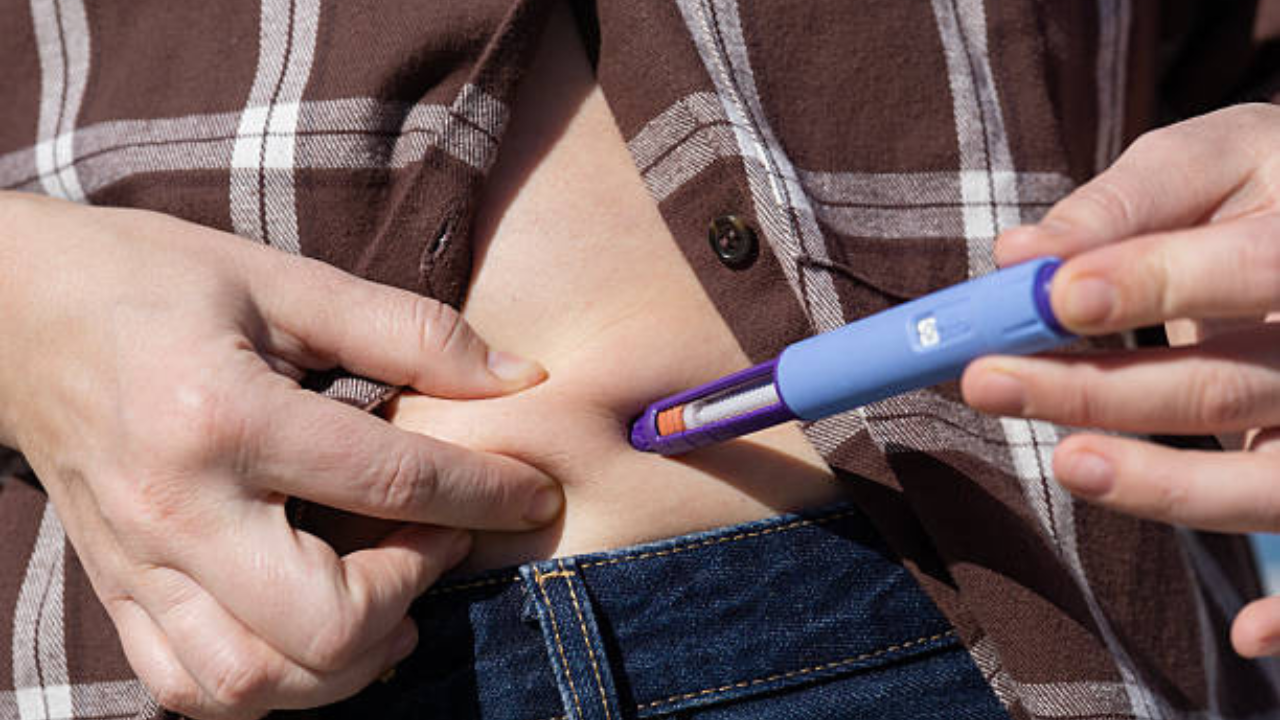
GLP-1 drugs are set to become the “new statins of the world” and could transform metabolic health, said Wasim Hanif, Professor of Diabetes and Endocrinology at University Hospital Birmingham.Speaking exclusively to HealthandMe, Prof Hanif discussed their growing use in obesity and diabetes, potential benefits, side effects and when patients should stop treatment.GLP-1 Drugs Could Save NHS BillionsEven as the NHS is rolling out GLP-1 drugs, including tirzepatide (Mounjaro), for severe obesity, Prof Hanif said their kidney and cardiovascular benefits could also reduce the healthcare burden.NICE recommendations cover tirzepatide and semaglutide for obesity and type 2 diabetes, with recommendations also expected for obstructive sleep apnea and MASH.“I think these drugs will have a huge impact. These are going to be the game changers in metabolic health. These are the new statins of the world,” he said.The only caveat, according to him, "is the cost, especially in the West". "The cost of these medications is too high, but the hope is that within the next couple of years, once they become generic, they'll be used even more,” the professor told HealthandMe, on the sidelines of an event organized by the BMJ Group in New Delhi.From GLP-1 To GIP And GlucagonThe Professor explained that the drugs have evolved beyond GLP-1 alone:GLP-1: Drugs based on glucagon-like peptide-1GLP-1 + GIP: TirzepatideGLP-1 + GIP + glucagon: RetatrutideHe noted that these are collectively being referred to as “NUSH — nutrient-stimulated hormones.”US: Obesity And Diabetes Trends FallingProf Hanif pointed to growing use in the US and resulting health benefits.“The total amount that the companies made with the use of these drugs in the United States was 43 billion dollars. Now we are actually seeing, for the first time, the trends of obesity and diabetes coming down,” he said.He added that cardiovascular benefits are also expected to have a major impact.‘Weight Losses We Never Imagined’Prof Hanif said the drugs are producing major clinical improvements.“For the first time in years I'm seeing my patients with diabetes achieve normal HbA1c once these drugs are used. Secondly, we are seeing weight losses we never imagined we would be able to get,” he said.He also highlighted improvements in:Obstructive sleep apneaCardiovascular healthHeart failure.Does Everyone Need A High Dose?Recent research showed that GLP-1 drugs are showing benefits, even with lower doses. Prof Hanif said dosing depends on the condition and patient.“For weight loss, yes, you need bigger doses, and that depends upon what your baseline weight is. So if your BMI is 40-45, you probably require a bigger dose, but if your BMI is less, you require a lesser dose,” he explained.“For diabetes, you don't need the higher doses. With one milligram of semaglutide or five milligrams of tirzepatide, 80% of the patients get the decision,” he said.“For cardiovascular protection, you don't need big doses. So it really depends upon — it's not that every person will need the topmost dose.”GLP-1 Side Effects: What Does The Data Show? Do these drugs have side effects? Prof Hanif said yes — but stressed that side effects occur with every medication. However, he pointed out to increasing "medical misinformation about GLP-1 drugs spreading rapidly through social media and websites in the US, Asia and India".“Between 2007 and 2025, there were 1900 cases of pancreatitis reported or associated with GLP-1, with 19 deaths in the UK. Now how many patients were using these agents? Millions,” said Prof Hanif, who is also part of the board of the UK’s Medicines and Healthcare products Regulatory Agency (MHRA).Comparing this with metformin, he added: “During the same period of time or even less, metformin caused 25 deaths.”Hair Loss, Muscle Loss And RetinopathyProf Hanif said side effects associated with GLP-1 drugs do occur, but there are strategies to mitigate them.“Hair loss is very — it does happen, but it's not that common. Loss of muscle mass happens, but it happens with any kind of weight loss.”“There are mitigation strategies — how you do it.”He also highlighted retinopathy, particularly among people with diabetes.“We know if somebody's having proliferative retinopathy or having laser treatment, you don't use it. There are guidelines on that.”He also warned against viewing GLP-1 drugs as lifestyle drugs, and buying them online and using them without appropriate medical oversight.“So these drugs have to be used under medical supervision by people who know how to use these drugs, like any other drugs," Prof Hanif said.