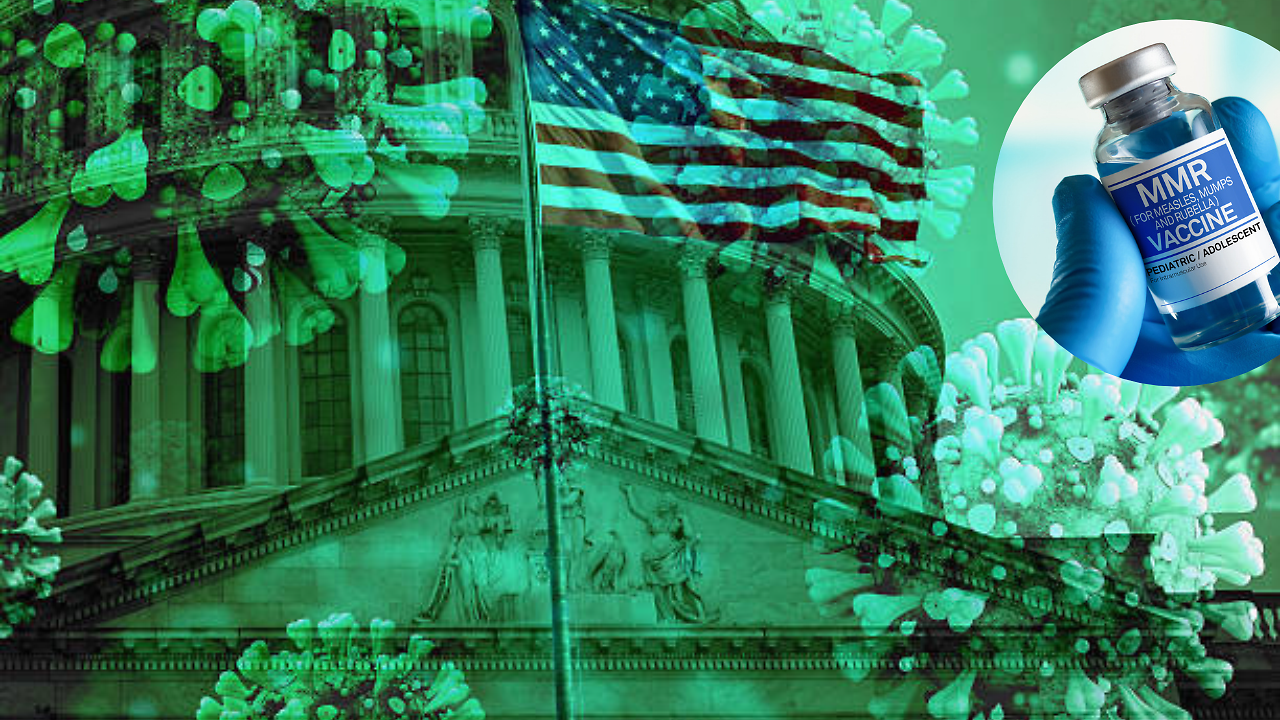
Twenty-six years later, the country is facing its worst outbreak of the highly contagious disease and is on the verge of losing its hard-earned elimination status.As of November 5, 2026, the US had reported 5,182 confirmed measles cases, according to the CDC. It is the first time that the country has crossed 5,000 mark since 1991. Further, Pennsylvania (six), New York (one) and Wisconsin (one) have reported a combined eight measles-associated deaths this year — more than the total recorded between 2000 and 2024.The Pan American Health Organization (PAHO), a regional office of the World Health Organization, is reviewing the country's status. An announcement is expected next week.What Is Driving The Measles Resurgence In The US?Also read: EXCLUSIVE: Ex-CDC Vaccine Advisor Says Measles Outbreak Bigger Than Reported, Slams RFK Jr’s ‘No-See Evil’ ApproachVaccine hesitancy is a key factor behind the resurgence, said Professor Devi Sridhar, Professor and Chair of Global Public Health at the University of Edinburgh, in an exclusive conversation with HealthandMe."We're seeing more parents concerned about the side effects of vaccines. Perhaps they've seen a video online or read something that makes them nervous. So for a while in the 1990s, for example, the MMR vaccine was falsely linked to rising autism rates."She noted that while the study has since been debunked, misinformation of this kind has contributed to vaccine hesitancy, with parents choosing not to vaccinate their children despite vaccines being available because they fear potential side effects.Falling Vaccination Rates Allow Measles To SpreadTwo doses of the MMR vaccine are approximately 97% effective at preventing measles. Even a single dose provides strong protection, offering about 93% effectiveness.Sridhar said the number of vaccinated children was falling below the threshold needed to prevent the virus from circulating and causing deaths in the country."But what we're seeing is that the number of children vaccinated is falling underneath that threshold, which is around 85 to 90%. And once you get a population that is not vaccinated to that level, measles starts to circulate, then it starts to find children, and unfortunately they get infected. And because it's so serious, we are starting to see deaths even in the United States."Sridhar also warned that misinformation online is undermining trust in vaccines. She said online claims about the MMR vaccine, including false links to autism and fears about side effects, can discourage parents from vaccinating their children."That's very dangerous now because as we know, the information on the internet and on social media isn't regulated."Read More: What Happens After Measles Infection? The Hidden Risks That Can Last For YearsCan The US Rebuild Public Trust In Vaccines?Sridhar pointed to changes in the country's public health and scientific institutions over the past two years, including the dismantling of the vaccine advisory group and a shift towards alternative therapies that has contributed to vaccine hesitancy.However, with the recent Democratic gains in Congress, she is hopeful about the possibility of restoring science in government. “Those who are scientifically trained, those who are doctors, clinicians, PhDs, people who have that kind of background will really help to hopefully bring science back into government and into government advice and help build that trust.”How Is Measles-Elimination Status Determined? PAHO considers endemic measles transmission to have been re-established when the same virus genotype and lineage circulates uninterrupted for at least 12 months within a country or defined geographical area.The Regional Verification Commission reviews epidemiological and laboratory evidence, alongside information on vaccination coverage, surveillance and outbreak response, before making recommendations on a country's status.Publicly available data shows that several chains of measles transmission have continued for more than a year in the US, according to scientists who analysed the data at the request of The New York Times.Three separate transmission chains — two in Utah and one in Arizona — were continuing in July 2026 and could be traced to an outbreak in Texas more than a year earlier. One of these chains was still circulating in Utah in September, occasionally spilling over into Oregon and Washington.Another transmission chain, detected in Virginia at the start of the year, was still spreading in Iowa, Indiana and Pennsylvania as of mid-October.