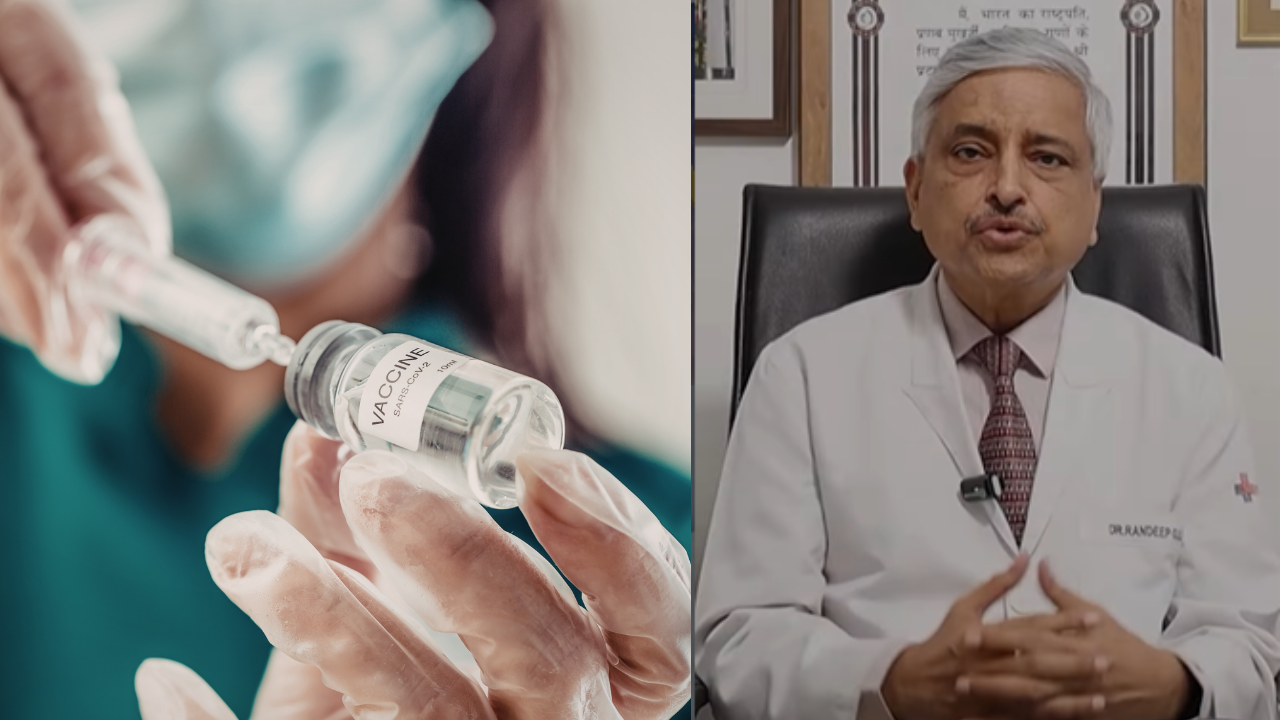
Vaccination has been the most powerful and effective tool in modern medicine that improves the body's immune system and fights off diseases, saving millions of lives annually. Vaccines reduce the risk of getting a disease by working with your body’s natural defenses to build protection. Vaccines are available to prevent more than 30 life-threatening diseases and infections, helping people of all ages live longer, healthier lives.According to the World Health Organization (WHO), immunization currently prevents 3.5 million to 5 million deaths every year from diseases like diphtheria, tetanus, pertussis (whooping cough), influenza, and measles.Also Read: Cancer-Hit US Couple Opens Up On ‘Nightmare’ ExperienceWhile vaccines are available for both young and old, former director of AIIMS New Delhi, Dr Randeep Guleria, in a post on social media platform Instagram, urged doctors to recommend these based on people's age and the presence of comorbidities. “Two very important factors one has to consider when recommending a vaccine for the adult population. One is the age, and if you have a patient over the age of 60 years, vaccination is definitely something you should recommend, or if a patient has associated comorbidities which increase the chance of vaccine-preventable diseases,” said the noted pulmonologist from Medanta Hospitals, Gurugram, in a Doctor's Special Series. He recommended doctors to prescribe six types of vaccines for adults, namely: Influenza Vaccine Dr. Guleria recommended an annual influenza vaccine for elderly people. “It can be given as a pre-winter vaccine, which is a northern hemisphere vaccine, or it can be given in May or June when it is a southern hemisphere vaccine,” he added. A flu vaccine typically reduces the risk of influenza infection, prevents severe illness, and complications. Also read: This Common Vaccine At Higher Dose Can More Than Halve Alzheimer’s Risk In Older AdultsPneumococcal VaccineA pneumococcal vaccine protect against Streptococcus pneumoniae bacteria, which cause serious infections like pneumonia, meningitis, and bloodstream infections.“For the pneumococcal vaccine, we now have a conjugate vaccine, which is available as PCV20, which is once in a lifetime, and that has made things much more easier,” Dr. Guleria said. The PCV20 vaccine guards against 20 strains of pneumococcal bacteria. It also prevents serious pneumonia, invasive infections, and related complications. It is recommended for adults aged over 65 and those with weakened immune systems. Shingles VaccineThe shingles vaccine is usually recommended after the age of 50 years, and two doses are required, Dr. Guleria said. The vaccine against shingles prevents the risk of viral infection that causes a painful rash and nerve damage. It also helps prevent long-term nerve pain and prevents serious complications from shingles. The vaccine is safe for adults 50 and older. Tdap vaccineA Tdap vaccine is recommended for adults over the age of 60 years. The Tdap vaccine protects against pertussis infection, also known as whooping cough. It guards against tetanus infections and reduces the risk of diphtheria and related complications. HPV vaccineThe HPV vaccine is for women to prevent cervical cancer, and it is now being given by the government as a part of the cancer prevention program, Dr Guleria said. Beyond cervical cancer, the HPV vaccine also protects against anal and throat cancer. It prevents 90 percent of HPV-related cancers, is safe, and effective. It also prevents genital warts.Also read: Health Tests Every Woman Should Do Once A Year Region-specific vaccination“It's also important for us to look at vaccination when we look at travelers, especially those who are going to crowded areas. So, people going to crowded areas, whether it be a Kumbh Mela, whether it be Hajj, or whether it be going to parts of Africa, should also take vaccinations to prevent themselves from getting illnesses in that area," Dr Guleria said.Also read: How Vaccinations Help Build Immunity? List Of Vaccines You Should Get