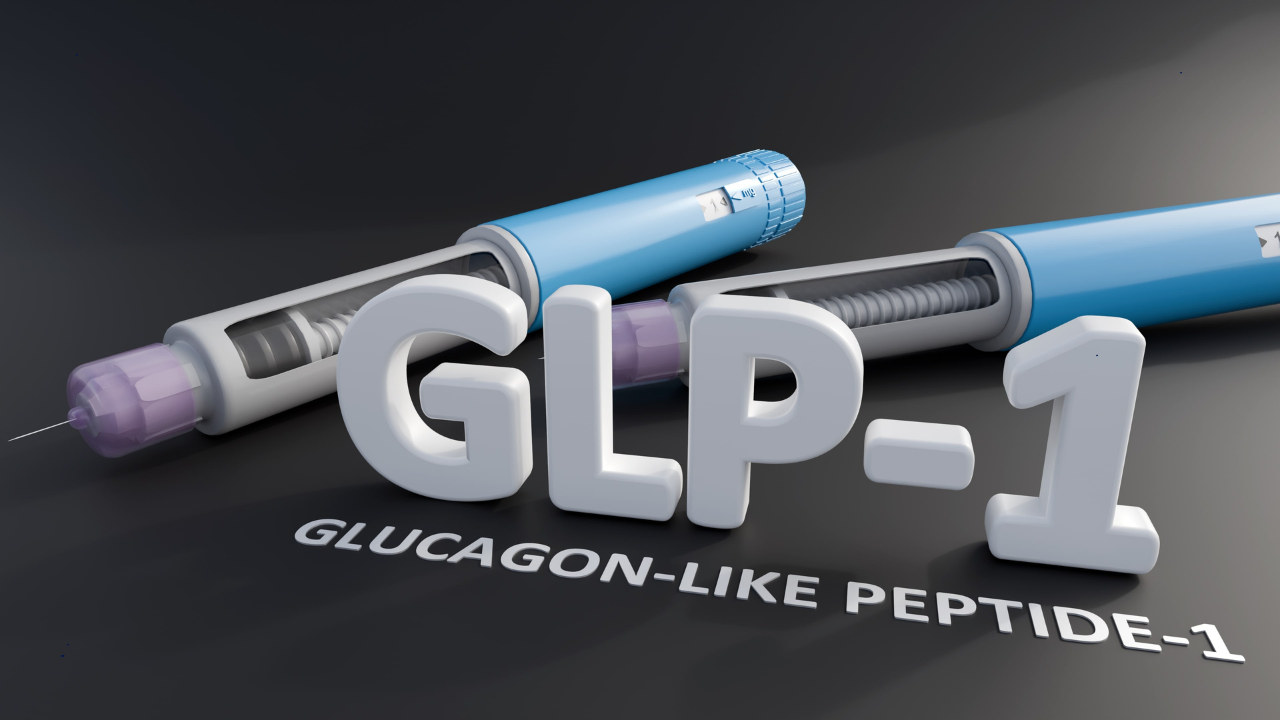
GLP-1 drugs like Ozempic, Mounjaro, and Wegovy may not only aid weight loss and improve diabetes control but could also help men with obesity improve their fertility, according to new research.Obesity is a well-established risk factor for infertility in both men and women. The findings, presented at ENDO 2026, the Endocrine Society's annual meeting in Chicago, suggest that GLP-1 medications do not harm male hormones or fertility, even with long-term use.Researchers from the University Hospitals Coventry and Warwickshire and Warwick Medical School in the UK found that GLP-1 drugs may improve testosterone levels and sperm quality in men with obesity-related low testosterone while addressing the underlying metabolic effects of obesity."This work supports a shift away from prescribing testosterone replacement in men with obesity and low testosterone and toward treating the underlying cause—excess weight and poor metabolic health—which can naturally restore hormone levels and preserve fertility," said lead researcher and endocrinologist Pratibha Natesh of Warwick Medical School.What Did The Study Find?Also read: Ozempic-Like Weight-Loss Drugs May Cut Breast Cancer Risk By A Third, Finds ResearchThe researchers analyzed published randomized controlled trials comparing GLP-1 medications with either placebo or other treatments in men aged 18 to 65 years.The review focused primarily on changes in testosterone and other hormones involved in testicular function. Researchers also evaluated sperm quality, body weight, blood sugar levels, cholesterol, and overall metabolic health.To minimize bias, two independent reviewers assessed the studies, with five clinical trials meeting the eligibility criteria.Overall, the findings showed that GLP-1 drugs had no negative impact on reproductive hormones, sexual function, or sperm quality.For instance, a 24-week study of semaglutide found improvements in sperm morphology and cholesterol levels while maintaining stable testosterone and hormone levels. Another 16-week study of liraglutide in men with obesity-related low testosterone showed increases in testosterone and associated reproductive hormones. Participants also experienced better overall health outcomes compared with those receiving testosterone replacement therapy alone.More Research NeededRead More: Mayim Bialik Says Just One GLP-1 Shot Triggered ‘Nightmare’ Side EffectsDespite the encouraging findings, Natesh cautioned that the number of available studies remains small and results vary across trials. Larger, well-designed studies are needed to better understand the effects of GLP-1 drugs on male fertility.She also emphasized that most of the reproductive benefits observed are likely indirect and that GLP-1 medications have not been evaluated as treatments for male infertility or hypogonadism.Nevertheless, the researchers hope the findings will help patients and physicians make more informed decisions about GLP-1 medications used for weight management and diabetes treatment."Improving metabolic health can have positive effects far beyond weight alone," Natesh said.What Are GLP-1 Drugs GLP-1 receptor agonists are medications to control high blood sugar in people with type 2 diabetes. These therapies help by: Increasing insulin release when blood sugar rises Delaying stomach emptying Reducing appetite Decreasing glucagon production Improving weight loss Dr. Uthra, a diabetologist and Sr. consultant at Dr.Mohan’s Diabetes Speciality Centre, in Chennai, told HealthandMe that while GLP-1 therapies help control blood sugar, beyond this, these treatment regimens provide many more benefits. Research shows that these medications can reduce the risk of major cardiovascular events such as heart attack and stroke. In addition, GLP-1 therapies help in weight reduction. Obesity is also linked to diabetes and heart disease. Hence, GLP-1 therapies help to reduce weight and the risk of developing heart diseases, the expert said.