
- Health Conditions A-Z
- Health & Wellness
- Nutrition
- Fitness
- Health News
- Ayurveda
- Videos
- Medicine A-Z
- Parenting
Heart Attacks In Young Women Are Increasing: What’s Driving This Alarming Trend

Credits: iStock
"You are 35; you are healthy. It is probably a panic attack," said Kristina Auwarter, as reports SELF Magazine, when she first felt a throbbing pain in her chest when she was picking her son up from his crib. There was nothing to be worried about she thought because she had been working out, her blood work was fine. She thought it was just a heartburn and popped Tums. Had it not been her sister who was home that day, she wouldn't have called 9-1-1. When she reached at the hospital, she learned what she had was a heart attack. She learned that she had a total blockage in the largest of the three arteries that feed the heart.
She is far from someone who would get a heart attack. However, a 2018 study published in AHA|ASA Journals show that there had been a surge in younger patients, under 54 for heart attack between 1995 and 2004, and it has led to a 10% jump among women being hospitalized for the same, while the proportion of men remained the same. Another 2019 research by the American College of Cardiology reported that people under age of 50 were reporting more heart attacks, and the number had jumped to 2% each year from 2000 to 2016.
For women, the long-term impact of a heart attack at a young age is often more severe. Multiple studies show that younger women are less likely than men to receive timely tests and appropriate treatments, and are more likely to be re-hospitalized or die later from heart disease.
Are Younger Women More Prone To Heart Attack?
Hormonal conditions like polycystic ovary syndrome (PCOS) can accelerate risk factors such as high blood pressure, high cholesterol, and elevated blood sugar. All of them could fuel plaque buildup in the arteries. This has become even more common due to less nutritious diets and increasingly sedentary lifestyle.
While these are some of the traditional risk factors, non-traditional risk factors often disproportionately affect young women. These include adverse pregnancy outcomes such as hypertensive disorders of pregnancy, including preeclampsia, and gestational diabetes. Rates of pregnancy-related high blood pressure have doubled over the past two decades, while gestational diabetes has climbed by roughly 30%, trends likely tied to worsening pre-pregnancy health and lifestyle shifts that are not particularly heart-friendly.
The matter of the fact is that for the longest these conditions were viewed as temporary problems, confined to pregnancy. The assumption was, one a person delivered, the dangers passed, however, it is not the case. There are numerous research that suggest that these complications can double and even more than double the risk of future cardiovascular diseases, including heart attack. Scientists have suspected that they may either reveal an underlying vulnerability to heart disease or trigger lasting inflammation or damage to blood vessels.
Mental health is another underappreciated piece of the puzzle. Women are about twice as likely as men to experience mental health conditions, and that disparity carries heart-related consequences. SELF reports that women with depression face a higher risk of developing cardiovascular disease than men with the same diagnosis, and psychological distress appears to raise future heart risk in women but not men. Researchers believe women may experience more intense mental health symptoms or a stronger biological stress response, which could translate into greater strain on the heart over time.
Autoimmune diseases add yet another layer of risk. These conditions, which are roughly twice as common in women, are characterized by chronic inflammation. Over years, that inflammation can damage the lining of blood vessels, quietly increasing the likelihood of a heart attack.
The biggest issue is that many of these atypical risk factors are not included in the standard tools doctors use to estimate heart attack risk. As a result, opportunities to intervene early are often missed, particularly in younger women. In one study of 3,500 young people who experienced a heart attack, women were significantly less likely than men to recall a doctor ever discussing their heart disease risk.
This gap in awareness carries over to diagnosis and treatment. Because heart attacks are still widely stereotyped as an older man’s problem, young women may not recognize what is happening when symptoms appear, even when those symptoms include classic chest pain. At the same time, the message that women often have “different” heart attack symptoms can backfire, leading some to dismiss chest discomfort altogether. Both things can be true: chest pain or pressure remains the most common symptom across sexes, but women are also more likely to experience additional, less typical signs.
These can include pain or tightness anywhere from the jaw to the abdomen, shortness of breath, sweating, nausea, unusual fatigue, or a vague sense that something just isn’t right. For many women, the sensation is not dramatic or crushing, just unfamiliar, which makes it easier to ignore. Combine that with the reality that women’s symptoms are more likely to be downplayed or attributed to anxiety or stress, and delays in seeking care become almost inevitable. Research cited by SELF even shows women are more likely to call an ambulance for a male partner than for themselves.
Why Is The Diagnosis Trickier In Women?
Diagnosis becomes even trickier when a heart attack is triggered by something other than the classic plaque buildup in the arteries—a scenario that appears to be far more common in younger women. A 2025 Mayo Clinic study found that more than half of heart attacks in women under 65 were caused by nontraditional mechanisms such as blood clots traveling to the heart, artery spasms, or spontaneous coronary artery dissection (SCAD), compared with about a quarter of cases in men. SCAD, in particular, overwhelmingly affects women.
Doctors are still unraveling why these atypical heart attacks skew female, but theories point to a mix of genetics, differences in blood vessel structure, hormonal fluctuations, and the effects of intense physical or emotional stress. Because these events are not driven by plaque, they can strike women who have none of the classic risk factors, making them easier to miss and harder to diagnose in time.
Pregnancy And Heart Health: Understanding Blood Pressure Changes And Cardiac Risks

Credit: Canva
Pregnancy is a period of immense physiological change. While most people focus on visible transformations, the heart and blood vessels undergo some of the most significant adjustments.
The body of a woman increases blood volume by around 30-50 percent to support the growth of the baby. The heart works harder, pumping more blood every minute.
For most of the women, these changes are normal and well-tolerated. In some cases, fluctuations in blood pressure and underlying cardiac risks can pose some serious complications if not identified at an early stage.
Why Blood Pressure Changes During Pregnancy
Blood pressure does not remain the same throughout the pregnancy. In early pregnancy, it often drops slightly due to changes in hormones that relax the blood vessels. By the second and third trimesters, it may gradually rise again as the volume of blood increases. While mild variation is normal, high blood pressure requires careful monitoring.
After 20 weeks of pregnancy, gestational hypertension develops, which can also progress to preeclampsia -- a potentially dangerous condition characterized by high blood pressure, particularly impacting the liver and kidneys. If left untreated, it can also impact both maternal and fetal health.
Understanding Cardiac Risks In Pregnancy
During pregnancy, certain women are at higher risk of heart-related complications. These mainly include diabetes, obesity, thyroid disorders, kidney disease, or a history of heart problems. Even those women who are not suffering from any prior cardiac illness can also develop pregnancy-related heart conditions, such as peripartum cardiomyopathy.
Symptoms that should never be untreated mainly include severe headaches, sudden swelling of hands or face, chest pain, breathlessness at rest, palpitations, or persistent fatigue beyond the expected pregnancy-related tiredness. Certain complications can also be prevented through early medical evaluation.
Some of the symptoms that should never be ignored mainly include severe headaches, sudden swelling of hands or face, chest pain, breathlessness at rest, palpitations, or persistent fatigue beyond expected pregnancy-related tiredness. Early medical evaluation can prevent certain complications.
Impact On The Baby
Flow of blood to the placenta can be reduced through uncontrolled high blood pressure, leading to restricted growth of the fetus, preterm birth, or low birth weight.
Timely medical diagnosis and management significantly reduce these kinds of risks and improve the outcomes as well.
Prevention, Monitoring And Safe Management
Regular antenatal checkups are considered the cornerstone of prevention. Problems can also be detected through monitoring of blood pressure at each and every visit, and appropriate blood tests and ultrasound assessments as well.
Some other factors, such as a balanced diet, controlled salt intake, adequate hydration, moderate physical activity (as advised), and stress management, also play a significant role. With proper supervision and early medical intervention, most women with fluctuations in blood pressure can also have a safe pregnancy and healthy delivery.
Pregnancy is not only about nurturing a new life, but it is also about safeguarding the maternal heart health for the future.
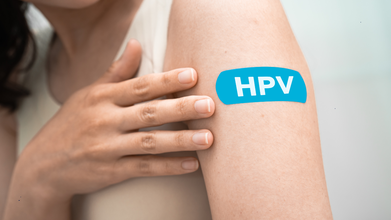
How India’s New HPV Vaccine Drive Could Prevent 80,000 Cancer Deaths Every Year
Credit: Canva
Cervical cancer is still one of the most common cancers for women in India. It's mostly caused by a persistent infection with the Human Papillomavirus, or HPV for short.
This virus spreads through sexual contact and often doesn't show any symptoms early on. A lot of women don't even realize they have the virus until abnormal cell changes start to show up.
The World Health Organization says that cervical cancer is one of the most preventable cancers if people get vaccinated and screened on time.
Also Read: Woman Lost Weight On Mounjaro But Her Breasts Didn't Stop Growing, This Is Why...
In India, thousands of women still die every year because they're diagnosed late and don't have enough access to regular screening. That's where the new nationwide HPV vaccination drive is starting to make a difference.
Let’s Talk About The HPV Vaccine
The HPV vaccine basically protects against the types of the virus that are most often linked to cervical cancer. You get it as a shot, and it works best if you get it before you're exposed to the virus, usually when you're a young teenager. But it can still help even if you get it later.
India's really pushing to get this vaccine out there, which is a big change in how they're handling public health. The idea is pretty straightforward and impactful: protect young girls before the virus can do any damage. By focusing on school-aged kids and making sure parents know about it, they're trying to fix a problem that's been around for ages.
Why Is This Drive So Important?
Cervical cancer doesn't just pop up overnight. It usually takes years for an HPV infection to turn into cancer. This long window gives us a chance to prevent it. Vaccination stops the infection at the start, and screening catches early cell changes before they get serious.
Public health experts think that if enough people get vaccinated, we could prevent up to 80,000 cancer deaths in India every year over time. That number isn't just a statistic. It's about saving the lives of mothers, daughters, and sisters with a simple preventive measure.
The vaccine has been studied a lot worldwide and has strong safety and effectiveness data. Countries with high vaccination rates are already seeing big drops in HPV infections and precancerous lesions.
Also Read: 15 States Sue Trump Administration Over Revised Vaccine Schedule
Busting Myths And Building Trust
Even though there's solid science behind vaccines, there's still a lot of wrong info out there. Some parents are concerned about safety or what might happen down the road. Others think getting vaccinated makes kids sexually active sooner, but studies don't back that up.
Getting the facts straight is super important for dealing with these worries. The HPV vaccine doesn't mess with fertility or hormones. It just teaches your body to fight off certain types of the virus.
Getting communities involved, having healthcare pros on board, and running educational campaigns are all crucial for building trust. When families learn that this vaccine can prevent cancer, more people are on board.
Beyond Shots: Screening Matters
Vaccination isn't the only answer. Women who are already sexually active still need regular cervical screening. Pap smears and HPV testing are still super important for catching things early. India's bigger plan includes making screening programs at primary healthcare centers stronger. When vaccination and screening work together, the impact gets way bigger.
Getting Closer To Wiping Out Cancer
The World Health Organization wants to get rid of cervical cancer as a public health issue this century, and India's vaccination plan fits right in with that big goal.
This isn't just about medicine; it's about really caring for women's health and stopping problems before they start. In a country where getting cancer treatment can be tough, prevention is our best bet.
Cervical cancer is mostly preventable. If we keep vaccinating, have good screening, and make sure everyone knows the facts, we could save thousands of lives every year. This campaign is a huge step towards a future where cervical cancer is rare, not something we just expect.
Lupita Nyong’o Opens Up About Fibroids Returning, Doubling 12 Years After Surgery

Credit: Instagram
Kenyan-Mexican actress Lupita Nyong’o has revealed that her fibroids have returned after undergoing surgery in 2014 -- now doubling up to 50, raising awareness about the often-overlooked health condition in women.
Speaking at the Today show, the Oscar-winning star Nyong’o said that she was first diagnosed with fibroids, a noncancerous tumor -- about 30 in number -- in 2014.
The growths made of muscle and tissue were removed with myomectomy, the fibroid-removal surgery.
However, the fibroids came back after over a decade, with the largest being the size of an orange, Nyong’o said.
She noted that the doubled-up fibroids are causing her more pain, while her treatment options remain largely the same.
“The first time I got the fibroids taken out, they took out 23,” she said on the show. “And this time, I’ve been informed two years ago that I have over 50.”
“And I’m being faced with the same options,” she added. “Surgery or live with the pain.”
Even as she is contemplating her treatment options, the A Quiet Place: Day One star opened up about feeling left alone and scared for her reproductive health during the initial phase.
She is now speaking out and connecting with other women suffering like her. Nyong’o is also advocating and raising money for scientists to research less invasive and non-invasive treatment methods for fibroids.
I was told that fibroids were something women live with. In refuse to accept that. Millions of women are suffering in silence, and we deserve better answers, better care and better options," Nyong’o wrote in a post on Instagram.
What Are Fibroids
Uterine fibroids are noncancerous growths that form inside or on the uterus. They are very common, affecting an estimated 40 to 80 percent of people with a uterus between the ages of 30 and 50.
In some cases, fibroids do not cause any noticeable symptoms, which means many people may not realize they have them. However, when symptoms are present, they often include:
- Heavy menstrual bleeding or painful periods
- Longer or more frequent periods
- Pelvic pressure or pain
- Frequent urination or trouble urinating
- Growing stomach area
- Constipation
- Pain in the stomach area or lower back, or pain during sex
Obesity and a higher body mass index (BMI) are the most common risk factors that can increase the chances of developing fibroids. Others include family history, not having children, early onset of menstruation (getting your period at a young age), and late age of menopause.
How To Treat Fibroids? Can They Recur?
There are several tests that can be done to confirm fibroids and determine their size and location.
These tests can include ultrasonography, magnetic resonance imaging (MRI), computed tomography (CT) scan, hysteroscopy, and laparoscopy.
Myomectomy is a commonly used surgical procedure to remove fibroids. There are several types of myomectomy, and they are used depending on the location of the fibroids, their size, and number.
The types of myomectomy procedures include hysteroscopy, laparoscopy, laparotomy, hysterectomy, uterine fibroid embolization, and radiofrequency ablation (RFA).
Even after a successful myomectomy, new fibroids can still develop. The recurrence risk is more common among young adults (under age 40) with many fibroids. The risk is less among people near menopause or with few fibroids.
Visit your doctor if you have:
- Pelvic pain that doesn't go away
- Heavy or painful periods that limit what you can do
- Spotting or bleeding between periods
- Trouble emptying your bladder
- Ongoing tiredness and weakness, which can be symptoms of anemia, meaning a low level of red blood cells.
- Follow Us :


© 2024 Bennett, Coleman & Company Limited