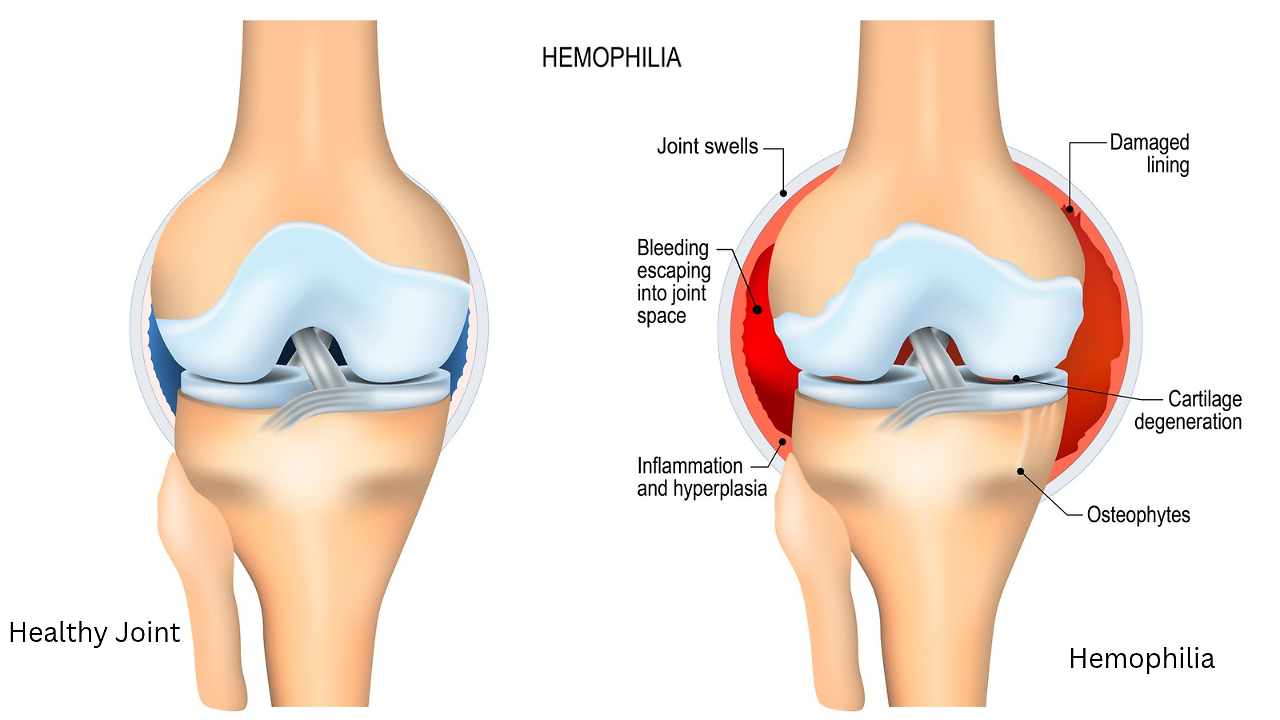
People with hemophilia face an increased risk of poor bone health due to recurrent joint and muscle bleeds, joint damage and reduced physical activity. Experts told HealthandMe that preventing bleeds from childhood, alongside adequate nutrition, appropriate exercise and regular assessment, can help protect bone health throughout life. Globally, an estimated 836,000 people have hemophilia, including approximately 284,000 with severe hemophilia. In India, the World Federation of Hemophilia (WFH) reported nearly 28,000 diagnosed and registered patients as of 2026, including more than 24,000 with Hemophilia A. However, the estimated prevalence could be as high as 1,36,000, suggesting many cases remain undiagnosed or misdiagnosed. Childhood and adolescence are critical for building peak bone mass, making early intervention important for long-term musculoskeletal health, said health experts. How Hemophilia Can Affect Bone Health Hemophilia is an inherited bleeding disorder caused by a deficiency of clotting factor VIII (Hemophilia A) or factor IX (Hemophilia B). It primarily affects males, while women are often carriers. Repeated bleeding into joints can cause chronic pain, joint damage, deformity and reduced mobility. Muscle bleeds can further restrict movement, limiting participation in physical activities that help maintain bone strength. “Bone health begins in childhood, but protecting it is a lifelong commitment. In people living with hemophilia, recurrent joint and muscle bleeds, reduced physical activity and other risk factors can contribute to poor bone health and an increased risk of osteoporosis,” Dr. Varun Bafna, associate professor in the Department of Hematology at Chhatrapati Shahu Maharaj Government Medical College, Kolhapur, told HealthandMe. Why Prophylaxis Matters Prophylaxis involves preventive treatment to reduce bleeding episodes rather than treating bleeds only after they occur. Regular factor prophylaxis can help prevent recurrent joint bleeds, preserve joint function and support mobility. “Regular factor prophylaxis helps prevent repeated joint bleeds and preserve joint function. That protection can support mobility, an important contributor to bone health,” Dr. Hitha B, associate professor and haematologist in the Department of Medicine at Government Medical College, Kozhikode, told HealthandMe. She advised patients to discuss breakthrough bleeding or difficulties accessing treatment with their healthcare team so their treatment plan can be reviewed. Dr. Bafna said consistent prophylaxis can also support muscle strength and safer participation in physical activity. “Prophylaxis is not just about preventing bleeding today; it is an important part of protecting long-term musculoskeletal health and quality of life at every age,” he noted. How to Protect Bone Health From Childhood Experts recommend an individualized approach based on age, joint health, mobility and other risk factors. Key measures include: Calcium and vitamin D: Ensure adequate intake through diet and discuss supplementation with a healthcare professional when needed. Appropriate physical activity: Weight-bearing exercises suited to individual joint health can help maintain bone strength, with guidance from the care team.Physiotherapy: Tailored rehabilitation can help maintain muscle strength, mobility and joint function. Regular assessment: Periodic evaluation can identify bone-health concerns and determine whether further investigations are needed. Consistent prophylaxis: Adhering to prescribed preventive treatment can reduce bleeding episodes and help protect joints. A Multidisciplinary Approach to Lifelong Care Hematologists, physiotherapists and other healthcare professionals can help patients and families integrate preventive treatment, rehabilitation, nutrition and appropriate physical activity into an individualized care plan. Early intervention and consistent care can help preserve joint function, mobility and quality of life as people with hemophilia grow older.