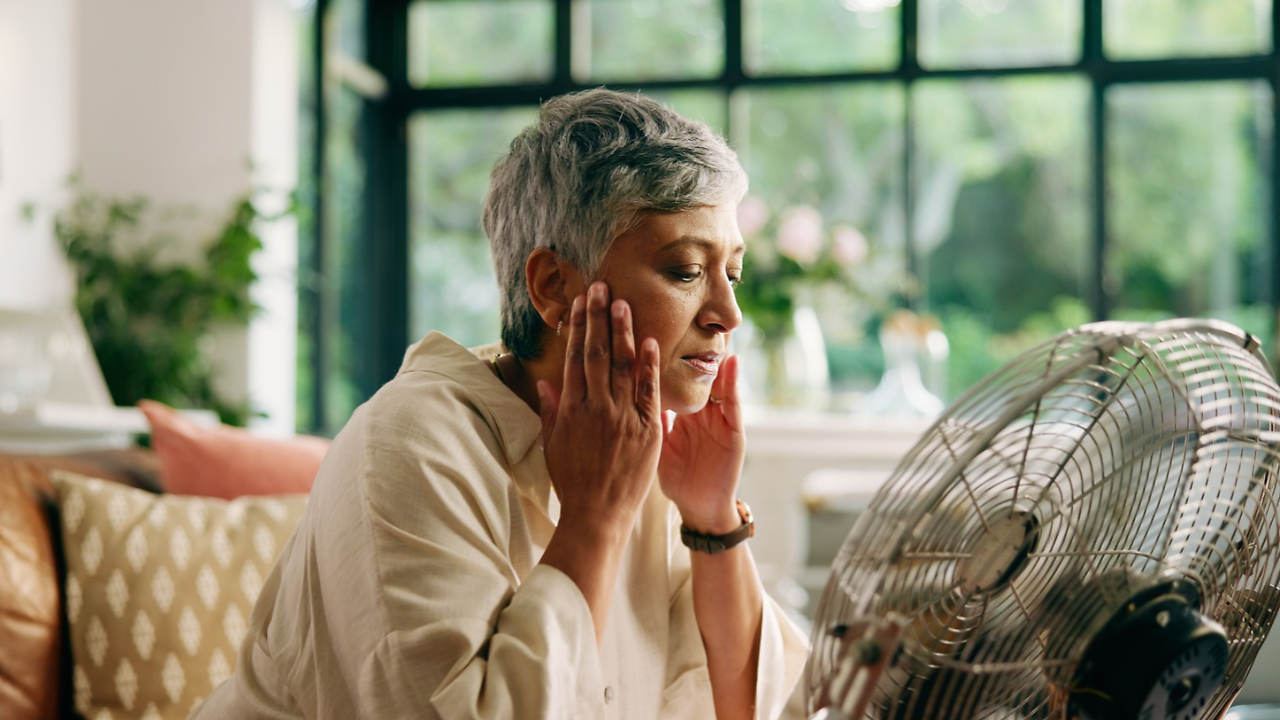
Menopause is gradually finding its well-deserved place in mainstream media. For the first time in a dozen years, the American College of Obstetricians and Gynecologists (ACOG) has revised its clinical guidance on treating key menopause symptoms like including hot flashes, night sweats, sleep disturbances and mood swings.The new guidance, released in October 2026, talks about hormone therapy as the most effective treatment for moderate to severe hot flashes. It also highlights non-hormonal options like cognitive behavioural therapy, mindfulness and clinical hypnosis for women who do not want to opt for hormone therapy.The update comes after certain boxed safety warnings on hormone-based products were removed by the US Food and Drug Administration (FDA).Hormone Therapy Recommended For Women With Menopause Also read: Beyond “Just Ageing”: Why Menopause Deserves a Place in India’s Mainstream Healthcare ConversationMenopausal hormone therapy (MHT) is the most effective treatment for vasomotor symptoms, which include hot flashes and night sweats. These symptoms occur as changing hormone levels affect the body's temperature.ACOG recommends systemic hormone therapy containing oestrogen and a progestogen for women with a uterus. Women who do not need endometrial protection may receive oestrogen alone.The guidance also suggests considering hormone therapy for sleep disturbances, which is also one of the vasomotor symptoms.However, hormone therapy may not be a viable option for everyone. Decisions should be made jointly by patients and their doctors, which may be taken after taking into account age, medical history, cardiovascular disease risk, breast cancer risk and the risk of venous thromboembolism, or blood clots.ACOG also recommends starting treatment before the age of 60 or within 10 years of the onset of natural menopause for.Women Who Cannot Take Hormone TherapyAlso read: Perimenopause & Cardiovascular Health: Why Neglecting Heart Warning Signs During Perimenopause Can Lead to Heart IssuesWomen who cannot take hormone therapy have several other non-hormonal options. ACOG recommends selective serotonin reuptake inhibitors (SSRIs) and serotonin-norepinephrine reuptake inhibitors (SNRIs), which are antidepressant medicines that can also help manage hot flashes.Another option is neurokinin receptor antagonists. These medicines act on pathways involved in regulating body temperature and can reduce hot flashes and night sweats. Fezolinetant and elinzanetant are examples of medicines in this category.Gabapentin may also be considered when other non-hormonal medicines are ineffective .Lifestyle And Behavioural Changes The updated guidance also recognises lifestyle and behavioural changes for managing menopause symptoms. ACOG suggests cognitive behavioural therapy (CBT) to help with hot flashes, sleep disturbances and mood symptoms.Mindfulness-based interventions and physical exercise may help improve sleep and mood, while clinical hypnosis may reduce hot flashes and improve sleep and anxiety symptoms.Acupuncture is also an option that may help tackle vasomotor symptoms and improve sleep and mood.These alternative options can be used alone or alongside medication, depending on a woman's symptoms and treatment preferences. Menopause can affect several aspects of health and daily life. Hot flashes and night sweats can disrupt sleep, while mood changes and other symptoms may affect work, relationships and overall quality of life.For a long time, concerns about the risks of hormone therapy have influenced how patients and doctors approach treatment. The new guidance reinforces that hormone therapy remains an effective option for many women, while stressing the importance of individual risk assessment and preference.