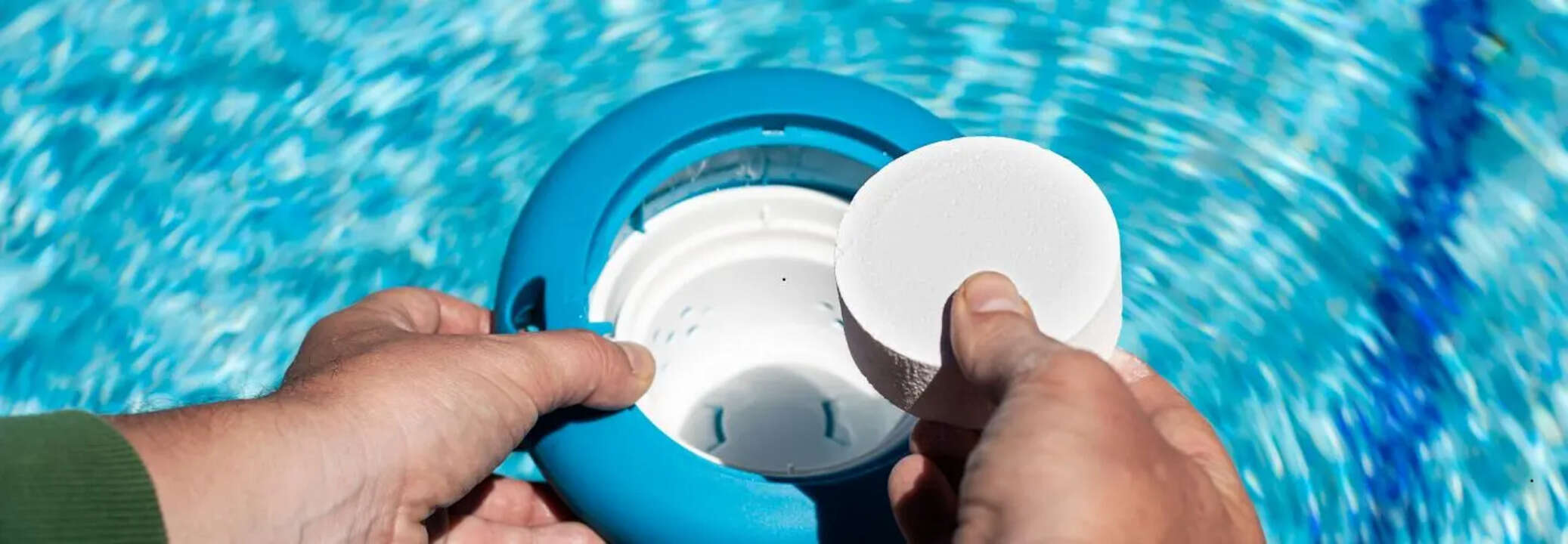
Chlorinated water, commonly found in swimming pools, can have a detrimental impact on your hair, making it dry, brittle, and prone to breakage. While the levels of chlorine in regular tap water are typically too low to cause significant issues, the higher concentrations in pool water can be damaging, especially with frequent exposure. This article enlists the impacts of the chemical on hair and also suggests ways to safeguard your hair from it. Impact Of Chlorine On HairChlorine's primary role in pools is to kill bacteria, but its effect on hair can be severe. By stripping away the natural oils (sebum) that protect and moisturize your hair, chlorine can lead to several issues:- Dryness and Brittle Texture: Chlorine removes moisture, leaving hair dry and more susceptible to split ends.- Color Changes: Chlorine can alter the hue of both natural and color-treated hair.- Damage and Breakage: Frequent exposure weakens hair, leading to cracking and split ends.While occasional swimming, like a yearly holiday dip, typically doesn’t affect hair significantly, regular swimmers, particularly those with thin, color-treated, or chemically processed hair, are more vulnerable to these adverse effects.Protecting Your Hair from Chlorine DamageFor occasional swimmers, a swim cap can offer protection against chlorine. However, frequent swimmers need to take additional steps to safeguard their hair:1. Pre- and Post-Swim Rinsing: Rinse and wet your hair with fresh water before swimming to reduce chlorine absorption. After swimming, rinse thoroughly and use a clarifying shampoo to remove chlorine residues.2. Natural Oils: Apply natural oils such as coconut, olive, or jojoba oil before swimming. These oils create a barrier that helps prevent chlorine from penetrating the hair shaft. A deep conditioning mask or leave-in conditioner can provide extra protection.3. Swim Spray: For those concerned about chlorine's effects, especially on light-colored hair, consider a swim spray. This product helps block chlorine from entering the hair.4. Gentle Shampoos: Use sulfate-free shampoos to gently cleanse your hair of chlorine without stripping away additional moisture.5. Swim Caps: Wearing a swim cap can significantly reduce chlorine exposure. Ensure it fits snugly over your hair and consider keeping spare caps in your swim bag.6. Tying Hair Back: If you’re without a swim cap, secure long hair in a ponytail, braid, or bun to limit chlorine contact.7. Swimming in Outdoor Pools: Outdoor pools often have lower chlorine levels due to natural evaporation, which may be gentler on your hair.8. Post-Swim Care: After swimming, rinse your hair with clean water, use a clarifying shampoo, and apply a leave-in conditioner. Allow hair to air dry to avoid additional damage from blow-drying.How To Address Signs Of Hair Damage If your hair shows signs of damage such as dryness, frizz, or tangling, consult your hairstylist for personalized advice. You can also try at-home remedies including using a hair clarifier to remove residual chlorine, moisturizing the scalp with coconut oil, and applying deep conditioners and natural oils like argan oil regularly.