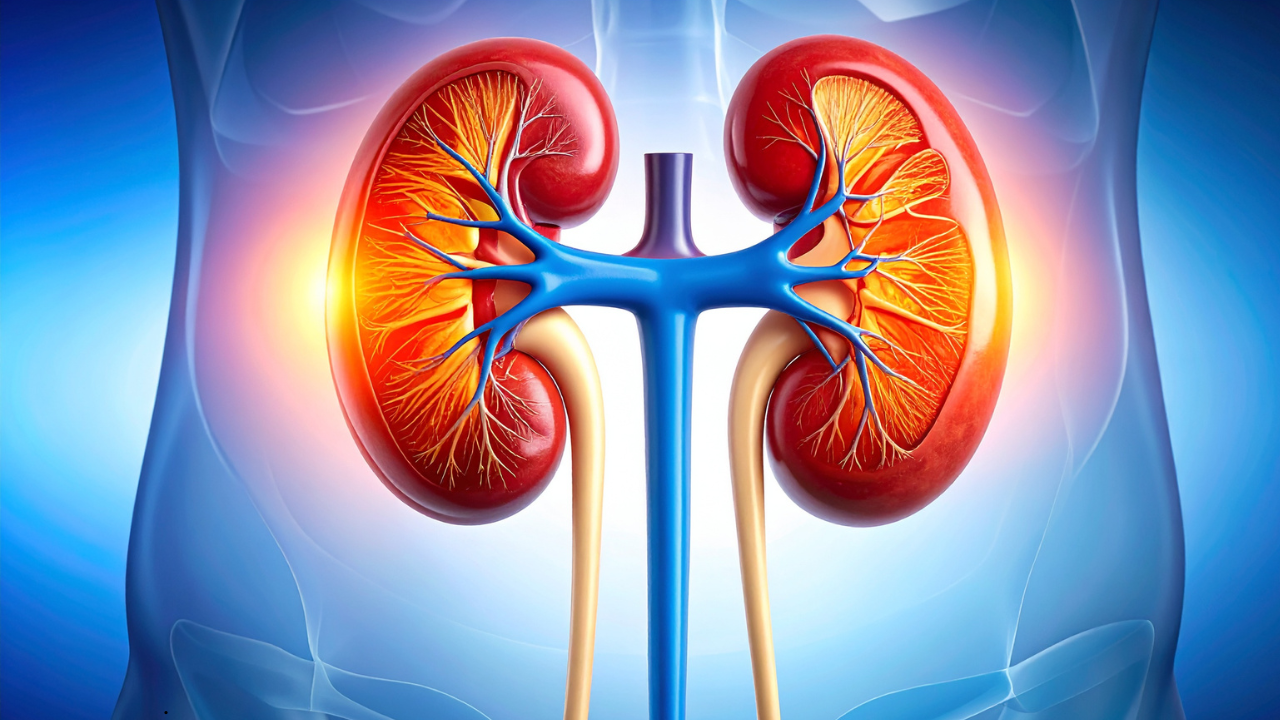
While multiple studies and experts sound the alarm over the dangers of bad lifestyle habits on heart and brain health, doctors are also warning against these secret habits that may be causing serious damage to your kidneys. Dr Sridhar Shetty, MBBS, MS (General Surgery), DNB (Urology), MNAMS (Urology), FRTS, FIMS, Apollo Spectra Hospital, Bengaluru exclusively tells Healthandme: "Kidneys have many different functions including filtering out approximately 150-180 liters of blood each day in a healthy adult; removing waste from the body; balancing fluids; regulating blood pressure; and maintaining minerals including sodium, potassium, and calcium."Unfortunately, many people don't realize they have kidney issues until substantial damage has occurred. There is now a growing body of evidence that indicates many common habits put unnecessary strain on kidneys over time."Dr Vikas Agarwal, Director & HOD, Robotic Urology, Aakash Healthcare also added: "Poorly managed high blood pressure and diabetes are among the largest causes of kidney damage and are strictly related to everyday lifestyle, including diet and physical activity, stress levels, the presence or absence of medication taking. "Not every person is aware that seemingly insignificant lifestyle habits may dramatically predispose an individual to chronic kidney disease in the long-term."Chronic Dehydration and Kidney StressAccording to Dr Shetty: "One of the biggest impacts on overall kidney health is dehydration due to not drinking enough water every day. Not getting enough fluid requires the kidneys to work much harder by producing concentrated urine to save water within the body; therefore, over time this may contribute to kidney stones or the inability of the kidneys to filter properly. "Concentrated urine also causes more mineral crystallization which could be a greater risk for developing stones."The US National Academies of Sciences, Engineering, and Medicine suggest about 3.7 liters (approx. 15.5 cups) for men and 2.7 liters (approx. 11.5 cups) for women daily.However, if you exercise or live in a hot climate, you should increase your intake. The American College of Sports Medicine recommends adding 12 ounces of water for every 30 minutes of exercise.Dr Agarwal recommends: "Regular medical check-ups, blood pressure, and blood sugar tests, and urine examination is hence very important in detection of early kidney stress. Early diagnosis enables timely interventions which can be used to slack down or avoid further deterioration."Excessive Salt ConsumptionSpeaking about how consuming excessive salt can increase heart strain and end up affecting the kidneys, Dr Agarwal said: "Hypertension or high blood pressure is a condition that causes major damage in the kidney across the world. The kidneys have a system of small blood vessels known as glomeruli that removes wastes in the blood. "In the event that blood pressure is always high then the pressure exerted on these fragile vessels may cause them to narrow, weaken or even to scar. With time, such damage impairs the effectiveness of the kidneys in the filtration process of blood, causing the gradual accumulation of poison and water in the body. "Some of the daily habits like consuming too much salt, high processed foods, chronic stress, insufficient sleep and sedentary lifestyle may aggravate hypertension and hasten kidney damage. People who eat packed snacks, fast food, and salty food regularly are not aware that they are putting an extra burden on their kidneys."As a result, Dr Shetty warns: "Processed foods, instant meals, packaged snacks, and entrees sold in restaurants are generally the primary sources of hidden sodium in most people's daily food intake."Overuse of PainkillersDr Shetty explains: "The regular consumption of everyday pain relievers, like non-steroidal anti-inflammatory drugs (NSAIDs), can negatively impact the kidneys without any visible signs. NSAIDs inhibit the production of prostaglandins, which are chemicals required for proper blood flow in the kidneys."Therefore, excessive consumption can lead to a decrease in blood supply to the kidneys, resulting in analgesic nephropathy or damage to the kidneys."To maintain kidney health, he recommends: "People can protect their kidneys through basic yet regular health practices which includedrinking enough water, eating less sodium, using their prescribed medications correctly, and doing regular tests to check their blood pressure and blood sugar and kidney health. "Daily knowledge about these habits enables people to minimize their chances of experiencing permanent kidney damage."Dr Agarwal added: "Eating a balanced diet with minimal amounts of excessive salt and refined sugars is useful in controlling the blood pressure and blood glucose levels. Exercise aids in normal metabolism and enhances the work of the heart, saving the kidneys. Kidney protection can also be achieved through proper hydration, stress avoidance, and healthy body weight maintenance. "Moreover, patients with hypertension or diabetes are also required to take medications regularly and according to the recommendations of the doctors with references to changes in the diet and style of life."