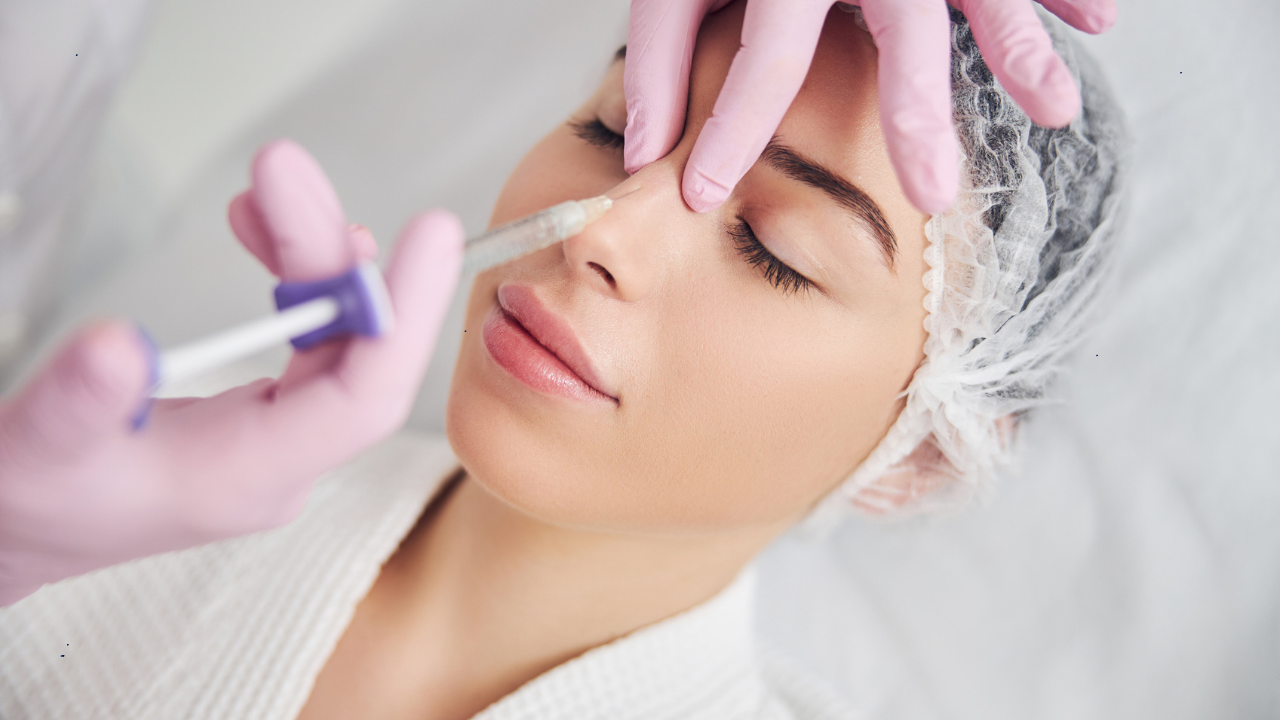
Even as injectable aesthetic procedures are gaining popularity as "cosmetic" treatments in beauty clinics and wellness centers across the country, the Central Drugs Standard Control Organisation (CDSCO) has tightened rules around cosmetic use.In a new public notice issued this week, the CDSCO stated that cosmetic products that come in injectable form do not fall under the definition of cosmetics under the law. It said that such products are not permitted for use by consumers, professionals, or aesthetic clinics."Cosmetic means any article intended to be rubbed, poured, sprinkled or sprayed on, or introduced into, or otherwise applied to, the human body," the notice said.It added that cosmetics are for "cleansing, beautifying, promoting attractiveness, or altering the appearance."Thus, "products supplied in the form of injectable preparation do not fall under the definition of cosmetics. No cosmetic is permitted to be used as injection by consumer/professionals/aesthetic clinics," the notice added.What Can No Longer Be DoneThe new rules bar professionals and stakeholders from using or manufacturing any cosmetic product intended for injection or medical purposes.The move also seeks to curb misleading advertising and unauthorised cosmetic practices by clinics and individuals.Also read: Kim Kardashian Says She Takes 35 Supplements Daily, Suffers From 'Pill Fatigue'The regulator also warned against misleading claims and the use of prohibited ingredients in cosmetic products, saying such violations attract action under the Drugs and Cosmetics Act and Cosmetics Rules, 2020."Use of prohibited ingredients in cosmetic products, misleading claims on label, use of cosmetics for treatment, and application of cosmetics through injection attracts violations of the said Act & Rules," the notice said.The regulator stated that no person shall alter, obliterate, or deface any inscription made by the manufacturer on the container or label of the product intended for use as a cosmetic.The notice added that the list of generally not recognised as safe (GNRAS) and restricted ingredients is published by the Bureau of Indian Standards (BIS).It has also encouraged the public and users to report any instance of misleading claims or violations through email and state licensing authorities.Also read: Extreme Summer Heat, Pollution Can Take A Toll On Your Eyes: Here’s How To Stay ProtectedWhy Injectable Beauty Clinic Therapies Are Under Scanner The move follows several incidents of sub-standard cosmetic products found to be sold in the market, ranging from Botox parties in upscale salons to glutathione “skin whitening” drips offered in local aesthetic clinics.Social media trends, celebrity endorsements, and growing demand for “preventive anti-ageing” treatments among younger consumers have driven the market for injectable beauty products, especially Glutathione drips, as well as detoxifying therapies, in the country.Medical experts have also been raising concerns over their long-term safety and efficacy. As per experts, unregulated injectable procedures carry risks ranging from allergic reactions and infections to liver and kidney complications in extreme cases. The new norms, thus, are part of the government's plans to strengthen the regulatory mechanism for cosmetics.The government is also reportedly planning to designate a Central Cosmetics Laboratory to test cosmetic samples and may also designate any laboratory under its control for testing, according to Mint.In addition, manufacturers will have to keep details and records of each batch and raw materials. Records are to be maintained for three years after the expiry of each batch. Imported cosmetic products shall bear a code number as approved by the State Licensing Authority.