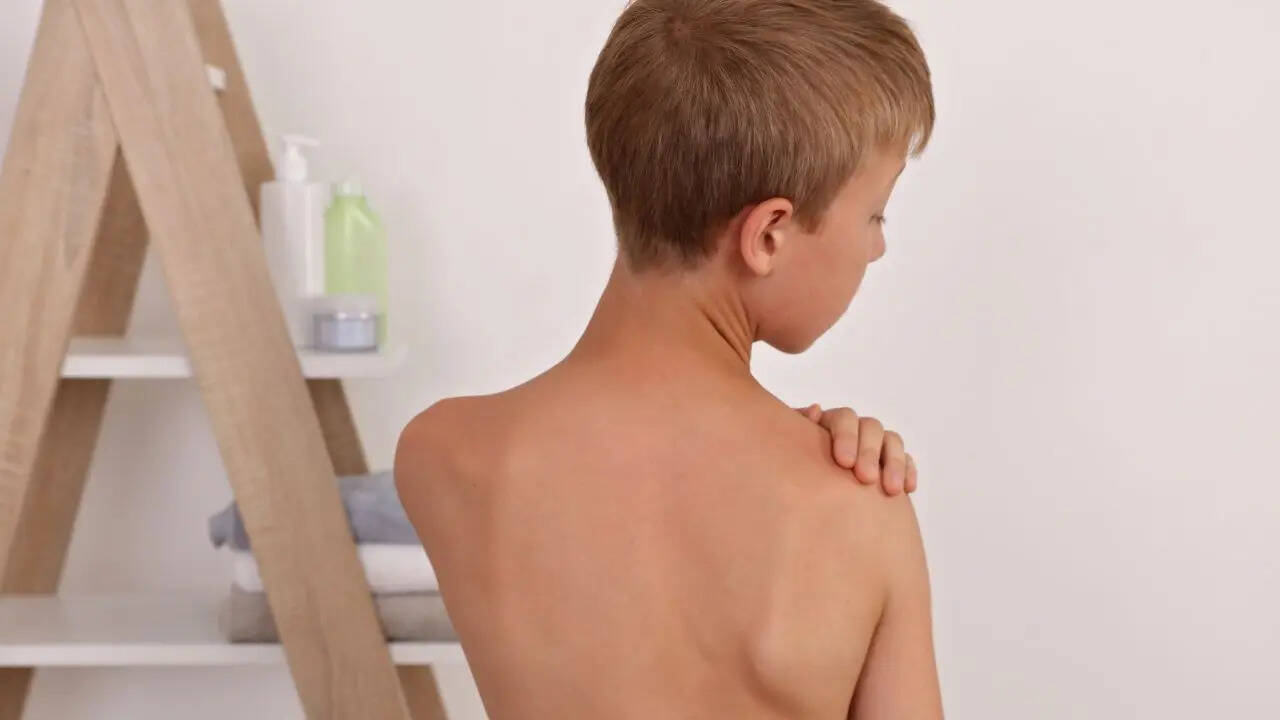
Scoliosis is a fairly common spinal condition that is most often detected during adolescence. Each year, nearly 3 million new cases are diagnosed in the United States, and most of these fall under idiopathic scoliosis, a form that typically develops during the teenage years without a clear cause. In many cases, structural changes in the spine go unnoticed by parents until they begin to show outward physical signs. Scoliosis and kyphosis are among the most frequently seen spinal disorders, both involving abnormal curvature of the spine.Scoliosis refers to a sideways curve of the spine and is most commonly seen in children and teenagers, though it can affect people at any age. Congenital scoliosis, in particular, may not be visible at birth. It can remain hidden for years and often becomes noticeable during periods of rapid growth. What begins as a minor internal change can gradually turn into a clearly visible curve as a child enters puberty. To understand this condition better, we spoke with Dr Saraswati Viswanathan, Consultant – Orthopaedics at Manipal Hospital, Kanakapura Road, who shared her insights.What Is Scoliosis?Scoliosis is a condition in which the spine curves from side to side, unlike the spine’s normal front-to-back shape. In many cases, the curve is mild and may not cause noticeable symptoms, but it can sometimes lead to back discomfort and changes in posture. The condition is most commonly diagnosed during adolescence. According to the Cleveland Clinic, treatment options may include physical therapy, the use of braces, or surgery, depending on the severity.Symptoms Of ScoliosisAs noted by the Cleveland Clinic, scoliosis often does not cause obvious symptoms. However, when symptoms do appear, they may include:Back pain.Trouble standing straight.Weakness in the core muscles.Pain in the legs, or sensations such as numbness or weakness.What Are The Types Of Scoliosis?There are three main types of scoliosis:Idiopathic scoliosis: This is the most common form. The term “idiopathic” means that the exact cause is unknown. Research suggests it can run in families and may have a genetic connection.Congenital scoliosis: This is a rare condition caused by abnormal spinal development before birth. It occurs when the vertebrae do not form properly during early embryonic growth.Neuromuscular scoliosis: This type is linked to conditions that affect the muscles and nerves supporting the spine. It is often seen alongside neurological or muscular disorders such as cerebral palsy, spina bifida, muscular dystrophy, or after certain injuries.How Can We Identify This Condition Early?According to Dr Viswanathan, while a visible S-shaped or C-shaped curve is a well-known sign of scoliosis, one of the earliest indicators parents can look for at home is uneven shoulder height. If one shoulder consistently appears lower than the other, it may suggest an underlying spinal curve. Other signs to watch for include a noticeable hump on the back, uneven rib or chest appearance, or hips that look tilted or asymmetrical when the child is standing straight.If you notice any of these changes, there is no need to panic, but it is important to take action. One simple screening method is Adam’s Forward Bend Test. Ask your child to bend forward at the waist and look for any unevenness in the shoulders or a raised area on one side of the back. Early screening and timely care can make a significant difference in managing spinal health and preventing the condition from worsening. Scheduling a visit with a pediatrician or orthopaedic specialist for proper physical and clinical evaluation can help rule out structural issues and ensure your child gets the right support as they grow into adulthood.