
- Health Conditions A-Z
- Health & Wellness
- Nutrition
- Fitness
- Health News
- Ayurveda
- Videos
- Medicine A-Z
- Parenting
Kai Trump’s New Instagram Post Sparks Questions About Donald Trump’s Health And His Mysterious Hand Bruise

Credits: Instagram and Reuters
The US President Donald Trump's health has been a heated topic of debate ever since he has returned to the White House. The most speculated topic on his health comes from the dark bruise on his right hand. Now, a series of images, which is posted by his granddaughter has now revealed how long the President has had the discoloration on his hand.
These photos have now sparked a new set of questions on Trump's health, especially after Trump has be declared fit during his recent medical checkup.
Also Read: What Does Trump's Latest Health Checkup Reveal About Him?
What Did Kai Trump's Photo Reveal About Trump's Health?
His 18-year-old eldest granddaughter took to Instagram on Wednesday and posted a series of pictures to commemorate the anniversary of her YouTube journey. She wrote: "One year ago, I started my YouTube channel not knowing what to expect...and it is turned into something so special."
However, in one of the images, Kai is seen with Trump and the president had a thick layer of makeup on his hand that would cover the bruise. The image was taken on the day of the results at the watch party hosted by Trump at Mar-a-Lago. This proves that the President had this bruise that he covered with makeup much before he even took over the office.
This discovery made people believe that the White House is deliberately trying to hide the president's health issues for months, especially under the guise of his semi-annual health check that declared him fit.
When Was The First Time Trump's Bruise Was Noticed?
The bruise first came under public's eye soon after Trump was elected and he himself said in a TIME Magazine interview in December 2024, that this has happened due to frequently shaking hands with thousands of people.
Seconding the same, in 2025, the White House also used the same explanation, where his doctor Dr Sean Barbabella said that these bruises were "minor soft tissue irritation". The doctor also said that his has happened due to frequent handshaking by him and his use of aspirin as part of his normal heart health routine. The side effect of this, with his hand bruising like this was said to be a 'benign and well known" side effect.
In a memo published by White House, his physician noted: "consistent with minor soft tissue irritation from frequent handshaking and the use of aspirin, which is taken as part of a standard cardiovascular prevention regimen".
The medical report also noted that Trump's swollen ankles were caused by chronic venous insufficiency. This is a condition where veins find it difficult to send blood back to heart. The White House Press Secretary Karoline Leavitt told the media that Trump was still "in exceptional health", while backing the physician's comment on his health.
Recent Update On Trump's Health
Previously, Health And Me reported on an exclusive published on tabloid Radar, on October 16, that claimed that Trump is 'riddled with arthritis', and that he may need a double hip replacement surgery.
Read: Is US President Donald Trump Getting A Double Hip Replacement Surgery?
The tabloid’s report paints a sensational picture of severe arthritis and an alleged plan for double hip replacement, citing unnamed “sources” and hinting at possible cognitive issues. The story has since been picked up by several aggregator sites, spreading widely despite the absence of verified evidence. However, the publication provided no medical records, surgeon's statements, or official documents to support the claim.
However, as per the physical examination by the Walter Reed National Medical Center, President had no orthopedic surgery listed in his history.
Can Hormonal Imbalances Increase Endometrial Cancer Risk?

Hormonal imbalances can adversely affect women's health overtime. (Photo credit: iStock)
Hormonal imbalance plays an important role in the development of endometrial cancer, which is one of the most common types of gynaecological cancers worldwide. The endometrium is the inner lining of the uterus and is highly sensitive to hormonal changes, particularly the balance between oestrogen and progesterone. When the body is exposed to excess oestrogen without adequate progesterone, the endometrial lining grows excessively. Over time, this prolonged stimulation leads to abnormal cell changes and increases the risk of developing endometrial cancer or uterine cancer.
How does lifestyle affect hormones?
Dr Fahad Afzal, Consultant Oncologist at Saifee Hospital, while talking about the impact of lifestyle on hormones, said, “Several lifestyle and health conditions can contribute to this hormonal imbalance. Obesity is one of the most significant risk factors because excess body fat increases oestrogen production. Women who are obese therefore have higher levels of oestrogen, which stimulates the uterine lining. Moreover, conditions like PCOS, diabetes, and metabolic syndrome are also associated with hormonal disturbances that elevate the risk.”
A sedentary lifestyle and an unhealthy diet further worsen hormonal imbalance and inflammation in the body. Additionally, irregular menstrual cycles, early onset of menstruation, late menopause, and not having children increase lifetime oestrogen exposure.
Read more: Oncologists Warns Of The Cancer Rising Among Women in India
How to treat hormonal imbalances?
The encouraging aspect is that several of these risk factors are modifiable. Maintaining a healthy body weight, engaging in regular physical activity, and following a balanced diet help regulate these hormones and reduce the risks. Managing conditions like PCOS and diabetes with guidance from a trained medical professional is also important.
Equally important is awareness of symptoms. Any abnormal uterine bleeding or vaginal bleeding, especially after menopause, should never be ignored and requires prompt medical evaluation. Early detection of endometrial cancer often leads to good outcomes. Understanding the relationship between lifestyle, hormone balance, and cancer risk can help women take proactive steps towards prevention and timely diagnosis.

What is the impact of hormones on endometrial cancer?
Dr Smit Sheth, cancer physician at M|O|C Mulund, said, “Hormones play a crucial role in a woman’s reproductive health, but when they fall out of balance, they can also increase the risk of certain cancers, including endometrial cancer. Endometrial cancer, which affects the lining of the uterus, is one of the most common gynaecological cancers in India. According to World Health Organization data, its incidence is steadily rising, particularly in urban populations where lifestyle changes are more pronounced.”
At the core of this risk lies an imbalance between two key hormones: oestrogen and progesterone. When oestrogen levels remain high without adequate progesterone to counteract it, the uterine lining can grow excessively, increasing the chance of abnormal cell changes over time. Modern lifestyle factors are significantly contributing to this imbalance. Rising obesity rates, sedentary habits, delayed pregnancies, and conditions like polycystic ovary syndrome (PCOS) are increasingly common among Indian women.
Fat tissue itself produces oestrogen, meaning overweight women often have higher circulating levels of this hormone. Studies suggest that obese women may have up to 2–4 times higher risk of developing endometrial cancer compared to those with a healthy weight. Additionally, irregular menstrual cycles, early onset of menstruation, and late menopause further extend lifetime oestrogen exposure, compounding the risk.
“Lifestyle today is a major driver of hormonal imbalance,” explains Dr Smit Sheth, cancer physician at M|O|C Mulund. “Obesity, lack of physical activity, and unmanaged metabolic conditions can silently increase oestrogen levels. Over time, this creates a favourable environment for endometrial cancer to develop, especially if symptoms like abnormal bleeding are ignored.”
Read more: Think Your Hormones Are Out Of Balance? Doctors Reveal The Warning Signs You Shouldn’t Ignore
Can endometrial cancer be detected in time?
The good news is that endometrial cancer is often detectable early. Warning signs such as postmenopausal bleeding, irregular periods, or unusual discharge should never be overlooked. Simple lifestyle changes, maintaining a healthy weight, regular exercise, a balanced diet, and timely medical check-ups can significantly reduce risk. In a country like India, where awareness remains limited, early education and proactive health behaviour are key to prevention.
Abdominal Obesity Greater Risk Factor For Indians, says Dr. Jitendra Singh

Credit: PIB
Abdominal, also known as central obesity, poses a greater health risk than overall obesity, especially in Indians, said Dr. Jitendra Singh, the Union Minister of State (Independent Charge) for Science and Technology.
Speaking at the release of a cardiology textbook titled “Advances in Obesity and Lipid Management in CVD,” by eminent cardiologist Dr. H.K. Chopra, Singh said that even lean and thin-looking individuals often carry significant visceral fat.
Amid a rapidly growing number of chronic conditions, such as diabetes, hypertension, and cardiovascular diseases, the Minister shared that abdominal obesity is the driving factor.
"There is sufficient evidence to show that Central obesity, even in apparently non-obese individuals, predisposes to a wide spectrum of metabolic disorders including diabetes, hypertension, cardiovascular diseases, fatty liver, dyslipidemia, etc.,” Singh, who is also a diabetologist, said.
“In other words, Abdominal or Central obesity is a greater risk factor compared to overall obesity, particularly in the Indian context where even lean and thin-looking individuals often carry significant visceral fat,” he added.
The Minister reiterated the importance of balanced health practices and emphasized the need for following a “sustained lifestyle discipline, adequate sleep, and scientifically guided preventive care”.
What Is Abdominal Obesity?
Abdominal obesity refers to an excessive accumulation of visceral fat around the stomach and internal organs, such as the liver, heart, kidneys, and the mesentery of the intestine.
Unlike subcutaneous fat, which lies beneath the skin, visceral fat is metabolically active and poses greater health risks.
It can increase your risk of heart disease, type 2 diabetes, high blood pressure, stroke, and some types of cancer.
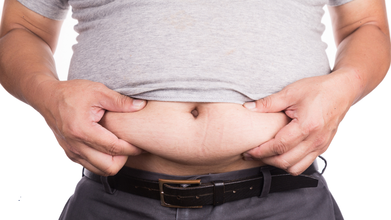
It is because visceral fat produces hormones and other substances that can cause inflammation and insulin resistance, which can lead to these health problems.
A 2024 study from the Washington University School of Medicine in St. Louis, Missouri, showed that a higher level of visceral fat was related to increased amyloid -- accounting for 77 per cent of the effect of high BMI on amyloid accumulation.
Who Is More At Risk Of Abdominal Obesity
The Minister said that while overall obesity is rising among both men and women, the prevalence of abdominal obesity remains disproportionately high and acts as an independent determinant of cardiometabolic risk. The presence of visceral fat around the abdomen, even without generalized obesity, has significant clinical implications and requires early detection and targeted intervention.
A waist circumference of more than 40 inches for men or 35 inches for women may indicate a higher risk of visceral fat accumulation.
While people with a larger waistline or pot belly are at known risk of having visceral fat, thin people too can have fat accumulation in their internal organs.
According to health experts, even people with a healthy weight can have high levels of visceral fat.
This is because visceral fat is not always visible on the outside of the body, and it can accumulate even if a person appears to be thin or in good shape.
Also read: Checking BMI For Body Weight? It Can Wrongly Mark You As Overweight or Obese, Says Study
Strategies for Successful Weight Management
To tackle obesity, one needs a holistic strategy beyond mere weight reduction. Healthy and sustainable weight reduction and improvement of health are more about body composition than mere weight. Major strategies are:
A balanced diet composed of whole foods, lean meats, and good fats in addition to physical exercise encourages sustainable weight reduction.
Resistance training helps in preserving muscle mass along with fat reduction, which improves metabolic well-being.
Prescription weight-loss medication can help manage obesity alongside lifestyle changes.
For people with severe obesity, surgeries such as gastric bypass or sleeve gastrectomy may provide significant long-term advantages.
Prioritize your metabolic health through healthy eating, portion control, and mindful eating for long-term success.
Bipolar Disorder: How Early Detection Can Help Prevent Serious Complications
Credit: iStock/Canva
Bipolar disorder is commonly misunderstood as mere mood fluctuations; however, it is a serious and complex mental health condition.
The condition presents extreme mood fluctuations — hyperactivity and impulsiveness — and depressive lows — lethargy and hopelessness.
Bipolar disorder affects over 40 million people worldwide. Yet diagnosis remains challenging, as many people remain undiagnosed or misdiagnosed for long periods. Some are treated for other mental health conditions, such as depression or ADHD, causing delays in effective treatment.
Speaking to HealthandMe, Dr. Kriti Anand, Consultant, Psychiatrist, Paras Health, Panchkula, said: “Early identification of bipolar disorder is essential for the improvement of the condition of patients. It aids in recognizing patterns early on, which helps to stabilize moods and minimize the occurrence of severe and recurring episodes”.
“With the correct identification of the condition and intervention, people can effectively maintain relationships and stay productive,” Dr. Anand added.
Importance Of Early Detection
Recognizing bipolar disorder early is critical for better outcomes. People who do not get a timely diagnosis are likely to experience more frequent and intense mood episodes, which can become harder to manage over time.
Early evaluation allows healthcare professionals to identify patterns and introduce treatments that help stabilize mood and reduce the severity of symptoms.
Notably, the experts stated that treating bipolar disorder simply as depression means that antidepressants are prescribed, which could cause a manic episode to occur.
With early diagnosis, the chances of harmful behaviors are reduced and prevent suicidal tendencies that are often a result of untreated cases of bipolar disorder.
It also enhances the quality of life, enabling patients to maintain healthy relationships, work productively, and attend to their daily responsibilities.
Early symptoms includes
- Extreme irritability, intense happiness, or sudden, uncharacteristic anger
- A sudden, unexplainable rise or decline in energy levels
- Reduced need for sleep without feeling tired or difficulty falling asleep
- Engaging in risky activities
- Racing thoughts or difficulty concentrating
It’s important to conduct a thorough evaluation to ensure an accurate diagnosis. This involves looking at the patient’s medical history and mental health history.
The symptoms are also evaluated using a structured approach. In some cases, a physical examination may also be conducted. As bipolar disorder involves long-term patterns, it’s possible to observe the patient over a long period of time.
Once diagnosed, early intervention can begin. Treatment for bipolar disorder may involve
- drugs to control mood,
- therapy to improve coping abilities,
- lifestyle habits such as sleeping and exercising regularly.
“A thorough and timely evaluation is essential for accurately diagnosing bipolar mood disorder, especially in cases where symptoms overlap with other conditions. Early intervention by mental health experts, in the form of appropriate treatment, therapy, and lifestyle adjustments, can significantly reduce complications," Surg Commodore (Dr.) Sunil Goyal (Retd), Senior Consultant - Psychiatry, Sarvodaya Hospital, Faridabad, told HealthandMe.
"This will help individuals achieve long-term stability of mood along with improved quality of life in all socio-occupational spheres," he added.
Left untreated, bipolar disorder can lead to serious problems that affect every area of your life, including:
- Problems related to drug and alcohol misuse
- Suicide or suicide attempts
- Legal or financial problems
- Trouble getting along with others
- Poor work or school performance
The experts noted that early detection of bipolar disorder is not just about diagnosis; it is about improving lives.
Identifying the condition early helps in reducing the chance of developing serious complications, decreasing the possibility of being misdiagnosed, and also allows for treatment to be delivered in a timely and appropriate manner.
- Follow Us :


© 2024 Bennett, Coleman & Company Limited