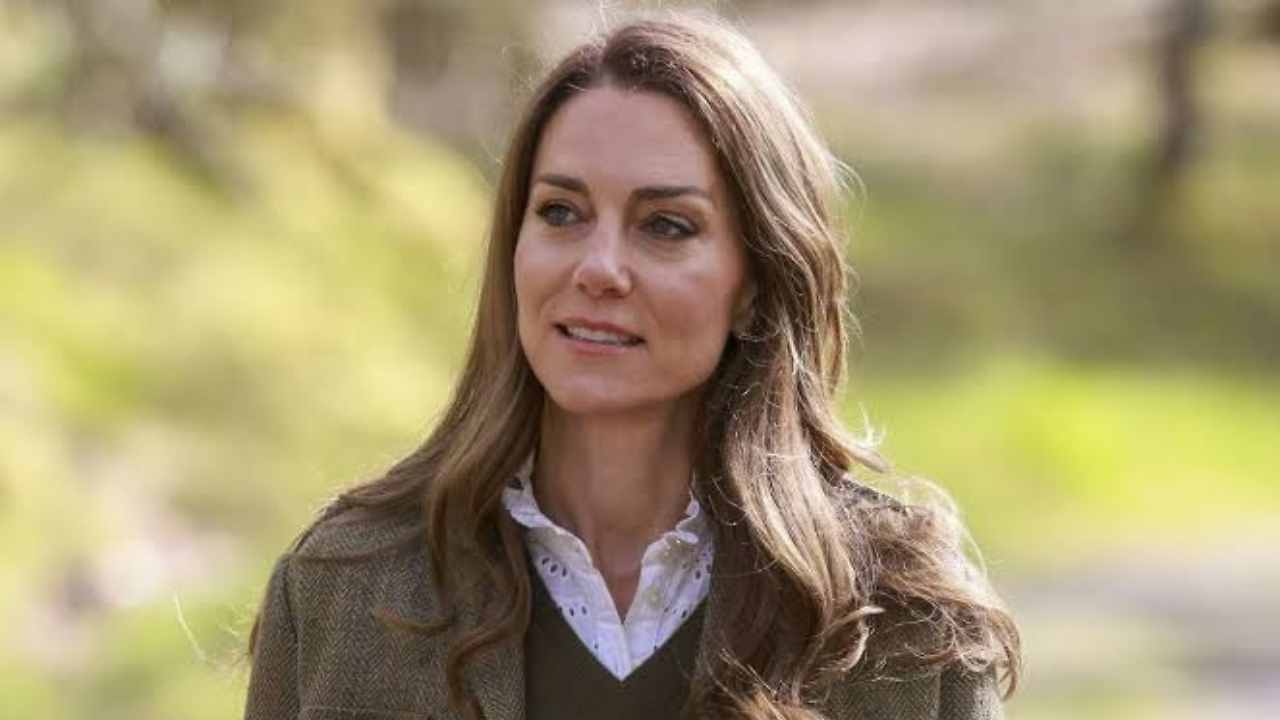
Catherine, Princess of Wales, recently opened up about her cancer recovery. In an interview, the Princess, widely known as Kate Middleton, spoke about how nature helped her navigate the physical and emotional challenges of her illness. She said that spending time outdoors became an integral part of her cancer recovery. Her experience adds to the growing research into how exposure to natural environments may help the well-being of people battling cancer.Kate Middleton's Cancer RecoveryKate announced her cancer diagnosis in March 2024 and said she was undergoing preventive chemotherapy. She completed treatment in September 2024 and announced in January 2025 that she was in remission. She did not publicly disclose the type of cancer she was diagnosed with.Speaking to nature writer Robert Macfarlane for Country Life magazine, Kate recalled the advice she received during her treatment and recovery. “I was told in hospital that my recovery would not be linear. There will be good and bad days, that it will take time,” she said.She compared the recovery process to the natural cycles of rest and renewal, adding, “This is the same in nature. It shows us that periods of rest, reflection and renewal are equally as important as moments of growth.”The Princess said spending time outdoors had helped her reconnect with herself during a difficult period.“What I feel really passionate about, having had first-hand experience, is approaching illness and recovery through a whole-person approach. Yes, serious illness creates a lot of physical challenges, but there is also a deeper part to all of us,” she said.“Nature has allowed me to find a deeper connection to my mind, body and spirit,” she added.Also read: 'Miracle' Breast Cancer Pill That 'Slows Progression Of Disease' To Be Rolled Out On NHSCan Spending Time In Nature Help Cancer Patients?Research suggests that spending time in nature may support psychological well-being among people undergoing cancer treatment.A 2023 scoping review published in International Journal of Environmental Research and Public Health examined 12 studies involving 2,786 cancer survivors. The studies were based on different forms of nature exposure, including walking outdoors, forest therapy, gardening and even experiencing natural environments through virtual reality.Researchers reported improvements in several areas, including anxiety, depression, sleep, stress, fatigue and pain. Participants also described nature as an important source of comfort while battling cancer.Another review published in Seminars in Radiation Oncology in July 2026 examined interventions related to nature for adults diagnosed with cancer. It identified benefits like reduced psychological distress, improved mood, sleep, quality of life and social connection.The review studied interventions like gardening, forest therapy, physical activity in nature, therapeutic landscapes and nature prescriptions.Also read: Christina Applegate Suspects Breast Implants May Have Caused MS-Like Symptoms: What Is the Condition?A cancer diagnosis affects physical as well as mental health. Patients may experience anxiety, depression, fear of recurrence, uncertainty about the future and emotional exhaustion during treatment and recovery. Spending time in nature can help in several ways:1. Alleviation Of Stress And AnxietyNatural environments can give a break from medical appointments, treatment schedules and daily responsibilities. Research suggests that exposure to green spaces may help reduce psychological distress and improve mood.2. Gentle Physical ActivityWalking in a garden, park or other outdoor space can provide an opportunity for movement. Physical activity, when appropriate to a patient's treatment stage, can help improve physical functioning and reduce fatigue related to treatment.3. Social ConnectionGardening groups, nature walks and outdoor activities can help patients reconnect with family members, friends and other people. Social support can be valuable during periods of emotional difficulty.4. Sleep And RelaxationOutdoor time can encourage relaxation and help establish regular daily routines. Exposure to natural daylight also helps regulate the body's circadian rhythm, which helps sleep-wake pattern.While research suggests that nature-based activities may support mental health and aspects of quality of life, there is no formidable evidence that spending time outdoors can eliminate cancer risk entirely, shrink tumours or prevent recurrence.These activities should be viewed as supplementary forms of support, not alternatives to surgery, chemotherapy, radiotherapy, immunotherapy or other prescribed cancer treatments.It is also important to know that patients may not be able to spend time outdoors during treatment. Fatigue, reduced immunity, mobility limitations, treatment side effects and environmental conditions can affect what is safe and comfortable.Patients should discuss appropriate physical activity and outdoor exposure with their doctors, especially if they are immunocompromised or recovering from surgery.