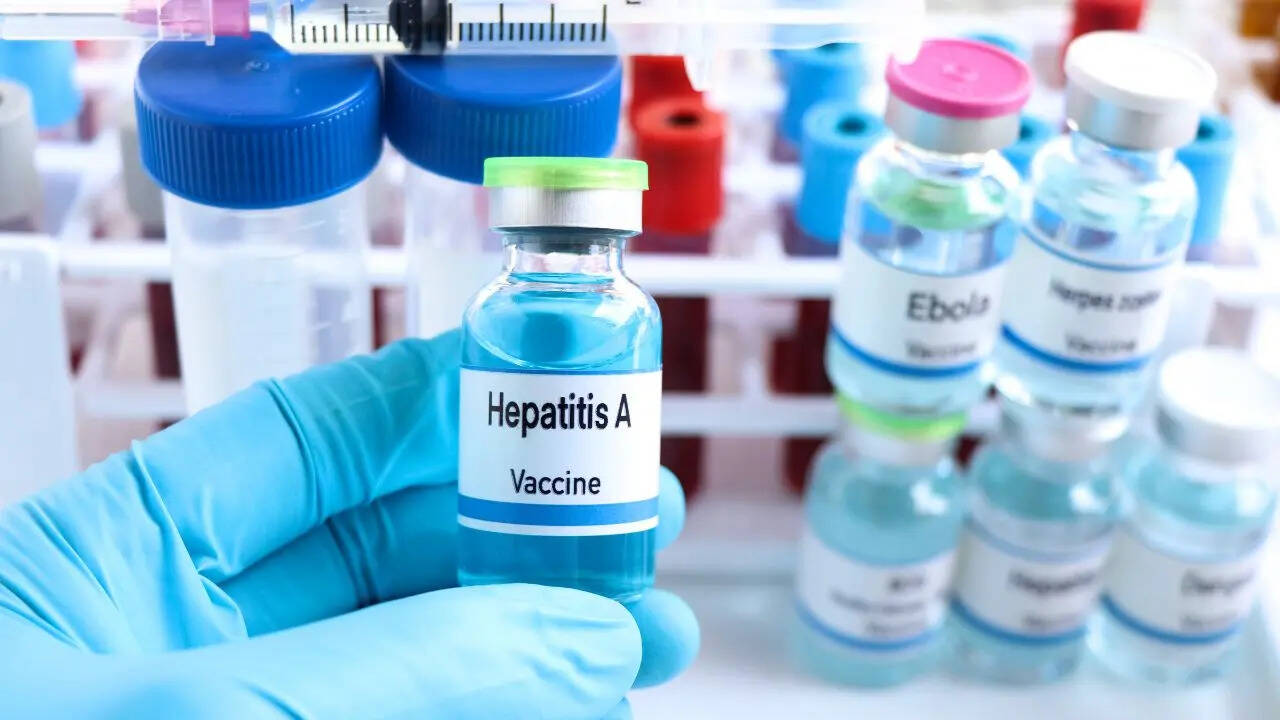
Kerala has recently seen a sharp increase in hepatitis A cases, drawing national attention after media reports revealed more than 31,000 infections and 82 deaths recorded by the end of December 2025, according to NDTV. The World Health Organization (WHO) states that Hepatitis A leads to mild or severe illness in around 1.4 million people each year, while nearly 113 million individuals get infected without showing symptoms. Globally, the disease claimed an estimated 7,134 lives in 2016. With numbers climbing in Kerala, here is a closer look at what hepatitis A is, how it spreads, and the precautions people should take.Kerala Sees A Rise In Hepatitis A CasesKerala has reported its highest number of hepatitis A cases so far, raising renewed worries around drinking water quality, sanitation standards, and disease monitoring. As per The Hindu, the state logged 31,536 confirmed and suspected cases along with 82 deaths as of December 30, 2025. Health specialists say the outbreak did not happen overnight. It reflects long-standing pressure on early detection systems, sanitation facilities, and public water supply networks. Since Hepatitis A tends to be more severe in older age groups, the growing number of infections among adolescents and adults has become a major concern.What Is Hepatitis A?Hepatitis A is a viral infection of the liver caused by the hepatitis A virus (HAV). It spreads mainly through contaminated food or water, or close personal contact with an infected person. The infection can cause liver inflammation, jaundice, extreme tiredness, and stomach pain. In most cases, it is a short-term illness that clears on its own without specific treatment, though severe cases can occur. Unlike hepatitis B or C, hepatitis A does not lead to long-term liver damage. The WHO notes that vaccination remains the most reliable way to stay protected.Symptoms Of Hepatitis ASymptoms of hepatitis A usually show up a few weeks after exposure to the virus, though some people never develop noticeable signs. According to the Cleveland Clinic, those who do may experience:Persistent fatigue and weaknessSudden nausea, vomiting, or diarrheaPain or discomfort in the upper right side of the abdomen, near the liverPale or clay-colored stoolsReduced appetiteMild feverDark-colored urineJoint achesYellowing of the skin and eyes, known as jaundiceSevere itchingThese symptoms are often mild and disappear within weeks. In some cases, however, the illness can be intense and last for several months.Why Is Kerala Witnessing A Surge In Hepatitis A Cases?Kerala has faced several hepatitis A outbreaks in recent years, but the current rise is notable for its scale and severity. Reports cited by The Hindu link the spread to contaminated groundwater, poor sanitation, and unhygienic surroundings, particularly in crowded localities. Investigations suggest that inadequate environmental hygiene and unsafe water sources have played a key role in allowing the virus to spread more widely.Can Hepatitis A Be Prevented?Yes, prevention is possible. The Cleveland Clinic states that vaccination against hepatitis A is the simplest and most effective safeguard. Doctors recommend the vaccine for children older than 12 months and for adults who:Are at risk of exposure at home or at workPlan to travel to regions where the virus is more commonHave existing liver conditionsBasic hygiene also goes a long way in preventing infection. Regular handwashing and careful food handling can reduce the risk significantly. Outbreaks often worsen when simple safety habits are ignored. Small daily choices can protect your liver. Drinking boiled or bottled water, avoiding food from unhygienic sources, and peeling fruits at home can help lower the risk.If someone in the household is infected, cleanliness becomes even more important. Surfaces should be disinfected, food prepared carefully, and personal items not shared. Safe sexual practices also matter, as the virus can spread through oral-anal contact. On a broader level, preventing future outbreaks requires more than short-term fixes. Improving water quality, repairing sewage systems, and strengthening public health surveillance are essential to stop the cycle from repeating.